


Preserving the European Lobster: the challenge of the National Lobster Hatchery
As it approaches its 25th anniversary, the National Lobster Hatchery (NLH) in Padstow, Cornwall, positions itself as a pillar in the preservation of the European lobster (Homarus gammarus). As demand skyrockets and overfishing threatens wild populations in Scandinavia as well as in the Mediterranean, the NLH is multiplying concrete actions to ensure the future of this resource essential to the local economy – and to the pleasure of divers!
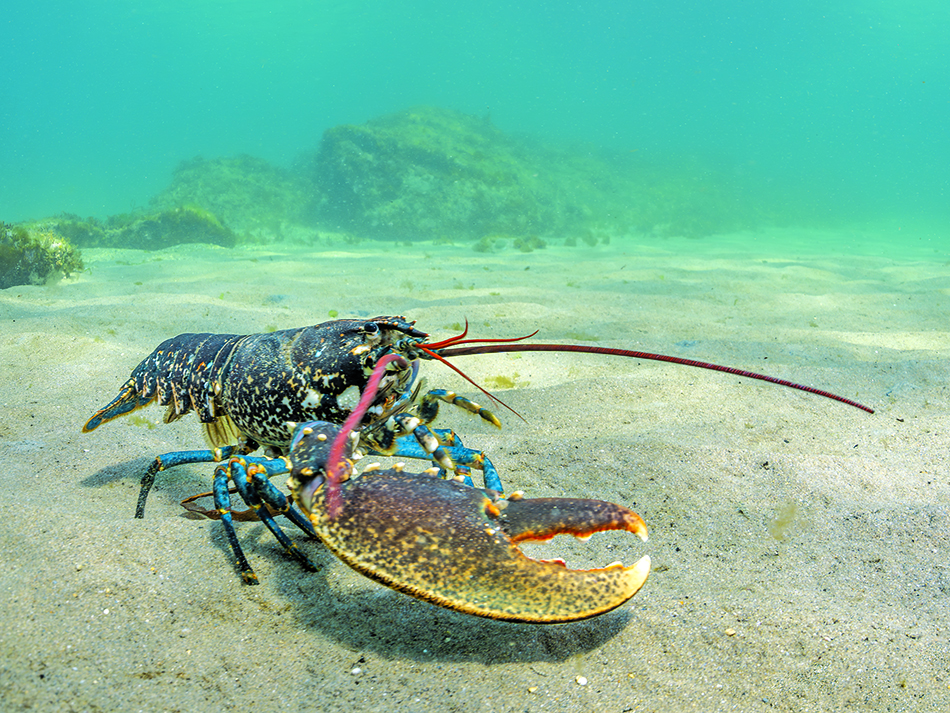
A crucial challenge for the economy and marine biodiversity
The European lobster is one of the most prized species in British waters. Many coastal communities depend on it, both for fishing and tourism. But overexploitation poses a severe threat to these populations already weakened elsewhere in Europe.
- The demand for European lobster is increasing sharply.
- Stocks in Scandinavia and the Mediterranean have almost disappeared due to overfishing.
- The NLH’s measures complement official fisheries management systems.
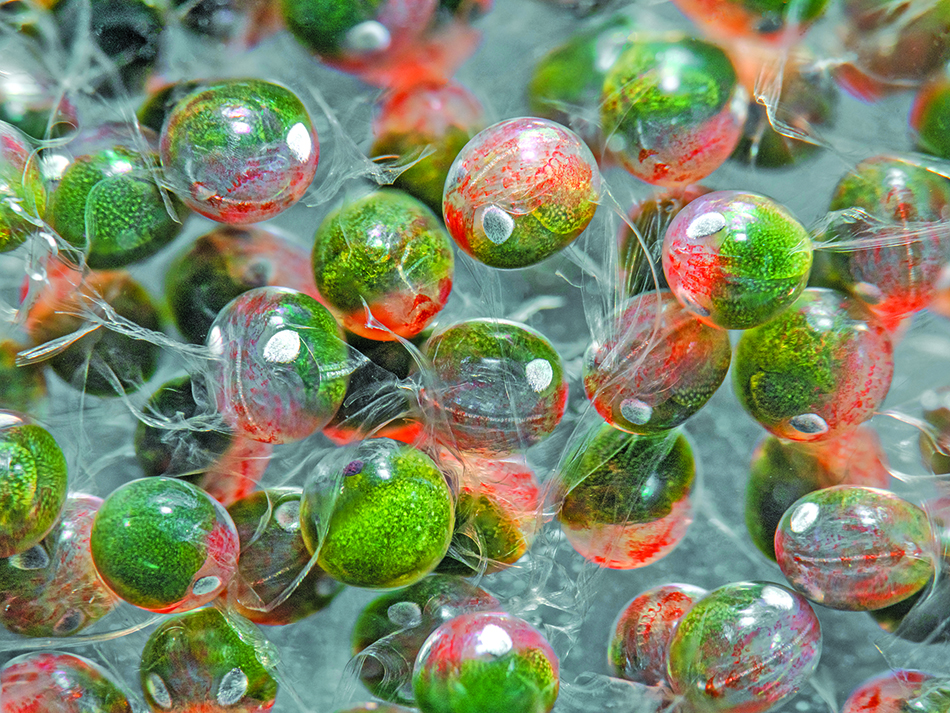
To learn more about the state of European lobster stocks, check the Marine Biological Association.
Harvesting and supporting future generations
Female lobsters harvested from fishermen
Breeding begins with the collection of pregnant females: local fishermen notify the NLH as soon as they capture one about to lay eggs. A technician then quickly moves to ensure the transfer to the hatchery, where the water temperature is adapted to control the timing of hatching.
- A female carries from 2,000 to 45,000 eggs depending on her size.
- Only 1 egg in 5,000 reaches adulthood in the wild.
- Gestation lasts between 9 and 12 months, influenced by the water temperature.
The eggs, generally released at night to limit predation, are collected at dawn and taken care of from their hatching.
Did you enjoy this excerpt?
Read the full article.
READING TIME ≈ XX min
Dive into the heart of the PLONGEZ! Magazine
To enjoy this article and its exclusive content, a modest contribution is required.