


STARESO: the Corsican station of excellence for marine research in the Mediterranean
Located at the tip of the Revellata, in the heart of the preserved bay of Calvi in Corsica, STARESO (Underwater and Oceanographic Research Station) has since 1972 established itself as a crucial center in the Mediterranean for the study and preservation of marine ecosystems. Combining innovation, scientific excellence, and environmental commitment, the station actively contributes to the knowledge and protection of marine environments while offering concrete solutions for their sustainable management.
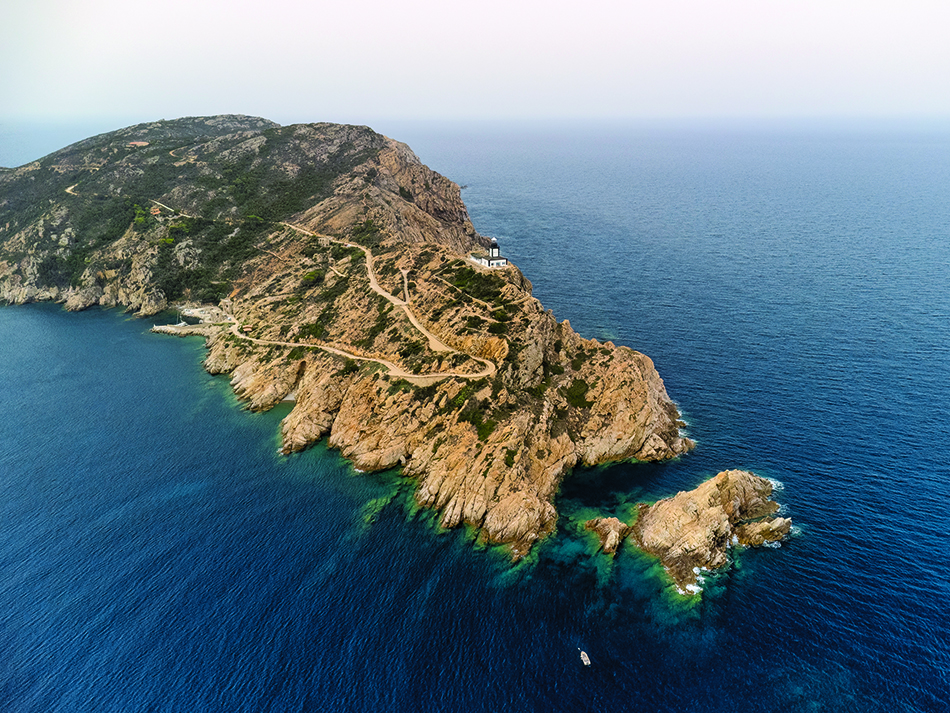
A strategic location dedicated to the Mediterranean
Founded in 1972, STARESO meets the need to create an interdisciplinary research space entirely dedicated to the Mediterranean. The Revellata site in Calvi is distinguished by exceptional biodiversity and some of the best-preserved marine ecosystems in the region, ideal for studying the complexity of oceanic and coastal dynamics.
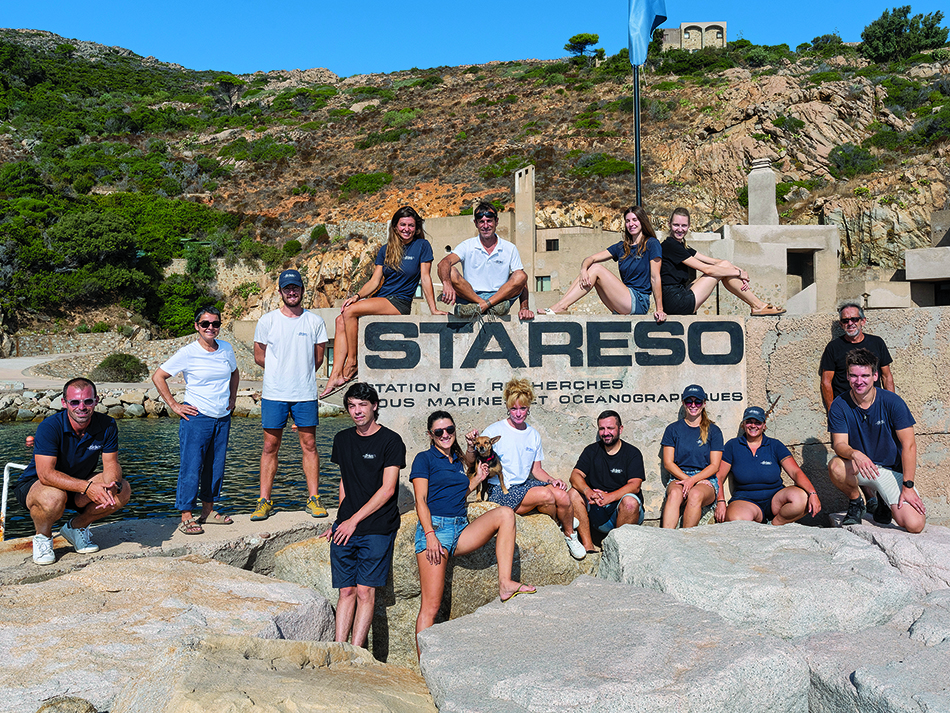
Initially affiliated with the University of Liège, STARESO became an independent Corsican research institute in 1989. Its activities cover:
- Marine and oceanographic scientific research
- Expertise and consulting for public and private stakeholders
- Outreach, training, and hosting of scientists
Today, STARESO boasts a rich scientific legacy with more than 60 doctoral theses defended, hundreds of international publications, and essential studies for understanding Mediterranean ecosystems.
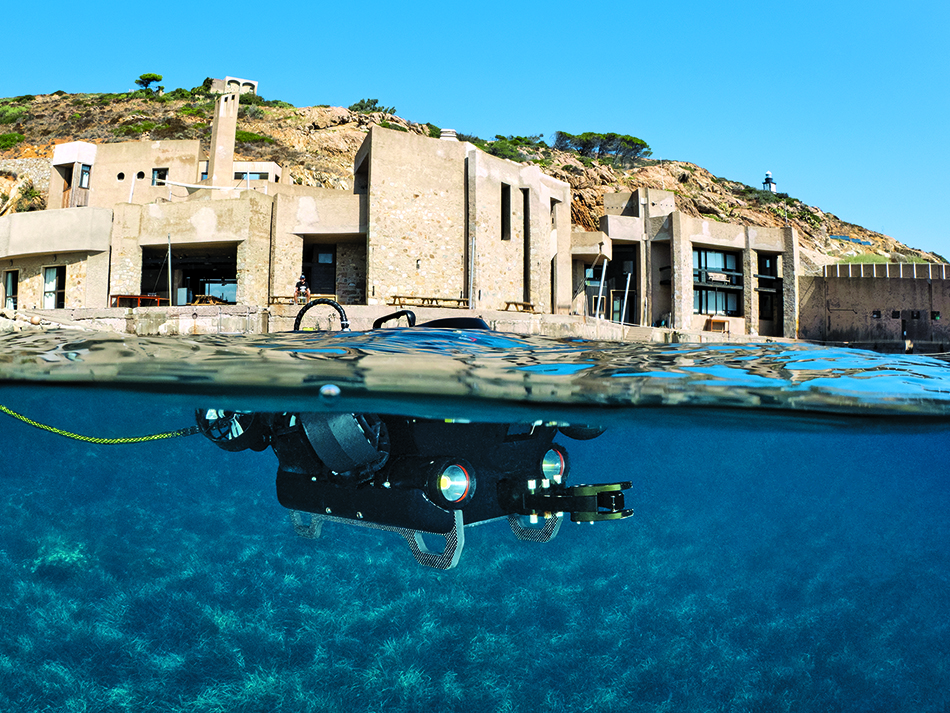
An architecture integrated into the natural landscape
The architecture of the station, designed by Claude Strebelle and Charles Dumont, is meant to perfectly blend with the cliff of the Revellata. Its buildings, constructed with Mediterranean techniques and materials, use stone terraces and semi-buried spaces for natural thermal regulation.
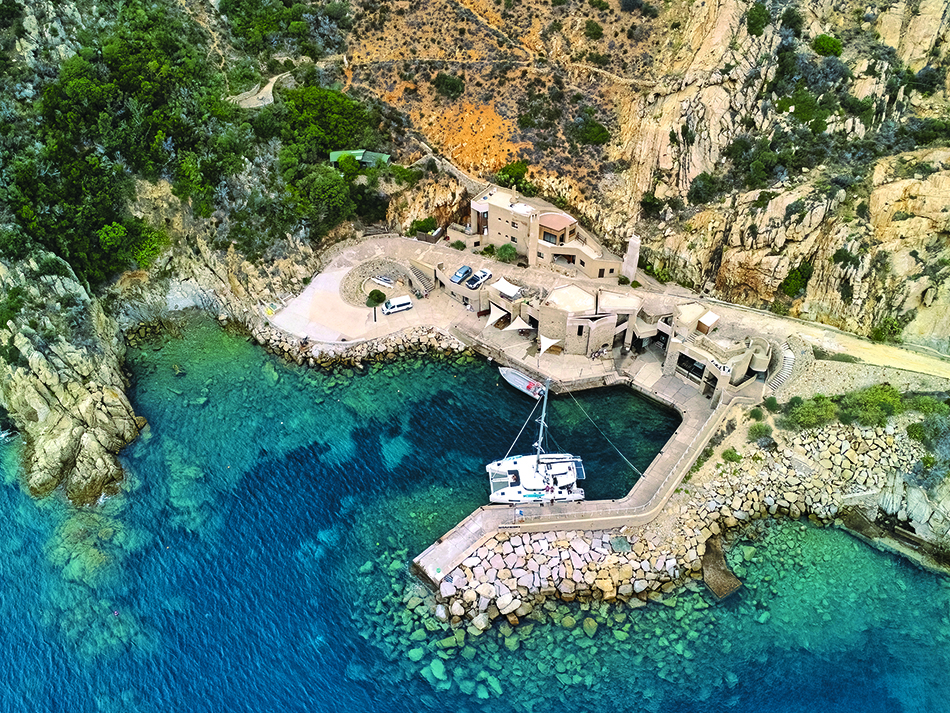
This architectural choice offers two advantages:
- An aesthetic and ecological integration with the granite environment
- Immediate proximity to the sea, facilitating research and on-site interventions
The bay of Calvi, a true open-air laboratory, is recognized for the diversity and preservation of its habitats, from the seabed (featuring an underwater canyon) to coastal areas subject to various human pressures. STARESO thus benefits from 50 years of invaluable observations and data linked to this unique site.
State-of-the-art infrastructure for marine research
STARESO has high-level equipment to ensure its autonomy and meet scientific research requirements:
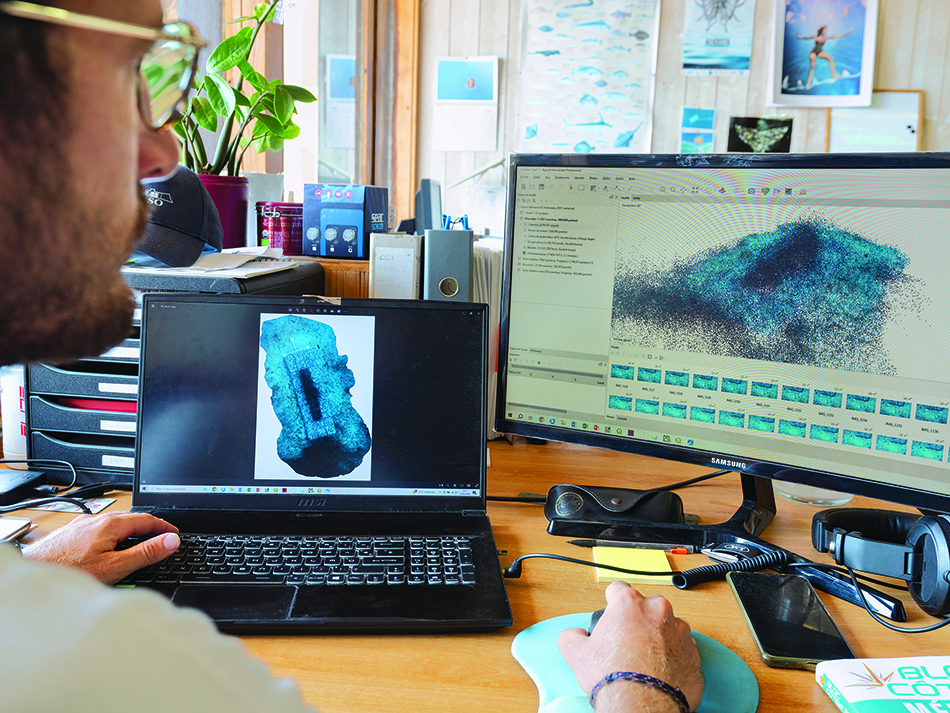
- Sheltered port and diving platform for organizing sea missions
- Fully equipped dry and wet laboratories
- Modern classrooms and conference rooms
- Accommodations for researchers and students
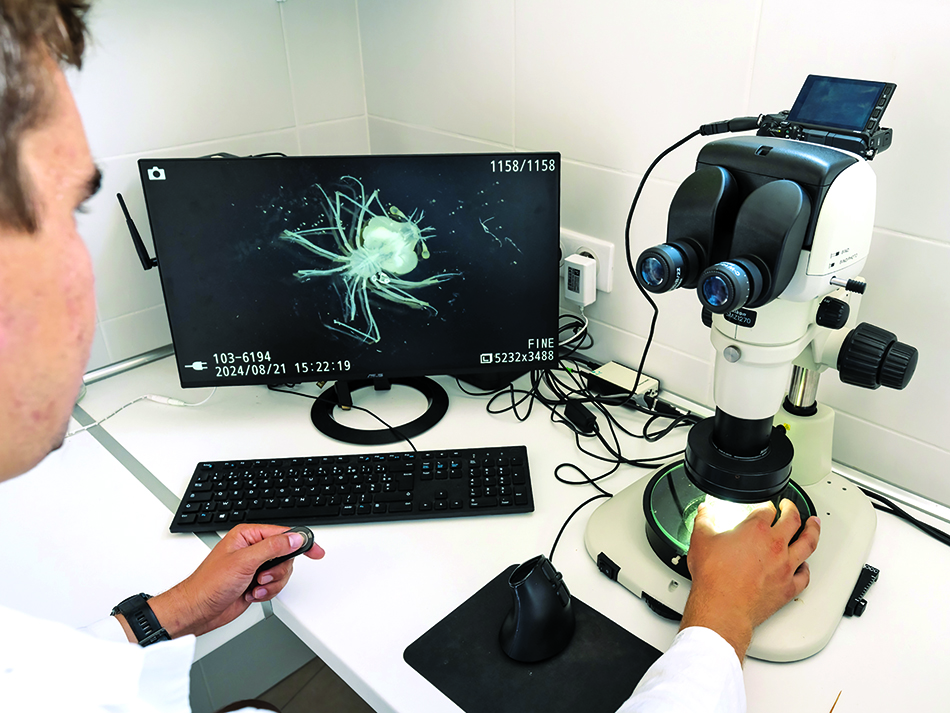
The station operates year-round and offers the possibility of conducting ‘in situ’ studies day or night.
The STARESO catamaran: innovation and low environmental impact
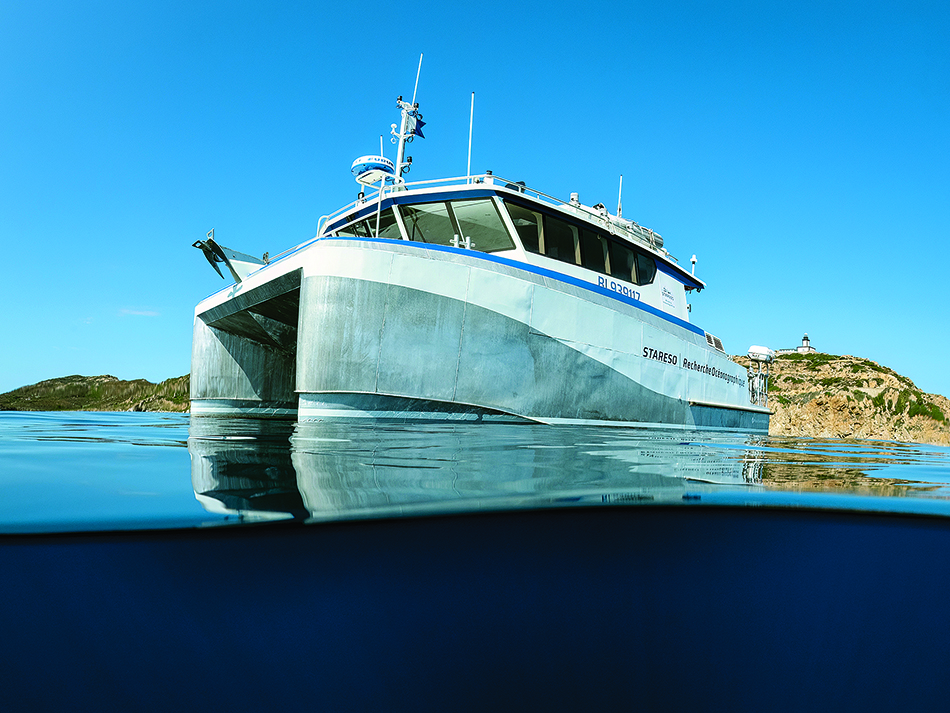
Recently, the station acquired a 12-meter hybrid research catamaran, equipped with electric propulsion powered by solar panels. Built of aluminum and coated with ecological antifouling paint, it carries the following tools:
- Mini remote-controlled submarine (ROV)
- Sampling rosette
- Underwater cameras for deep exploration
- State-of-the-art sonars
- Current meters and multi-parameter probes
The diving facilities allow up to 30 divers simultaneously, with full autonomy, for extended scientific missions.
A multidisciplinary team at the service of research
Consisting of about twenty expert members, the STARESO team combines scientific, technical, and organizational skills. Their missions include infrastructure management, conducting research, project support, and public awareness.
Did you enjoy this excerpt?
Read the full article.
READING TIME ≈ XX min
Dive into PLONGEZ! Magazine
To enjoy this article and its exclusive content, a modest participation is required.