


Nestled in the heart of the Indian Ocean, at the entrance to the Mozambique Channel, Nosy Be is part of an archipelago of small islands northwest of Madagascar. Renowned for its white sandy beaches and lush vegetation, this destination is also a true treasure for scuba diving enthusiasts. While known for encounters with large marine species, Nosy Be is home to a rich and varied underwater fauna.


An Impressive Underwater Biodiversity
The waters of Nosy Be are a refuge for many iconic species such as humpback whales, whale sharks, turtles, and manta rays. But that’s not all: the island is also becoming a popular destination for macro photography. With over 400 species of corals and a multitude of marine creatures, divers can encounter nudibranchs, leaf fish, seahorses, and even scorpion fish of the genus Rhinopias, which can be photographed with a bit of patience.
A Model of Sustainable Management
In the 90s, Nosy Be primarily attracted an Italian clientele and remained an intimate destination with fewer than 10 hotels. Big game fishing and spearfishing dominated the activities. However, the rise of tourism, facilitated by the opening of an international airport, transformed the local economy. Today, the island has 22 dive centers and over 150 hotels.
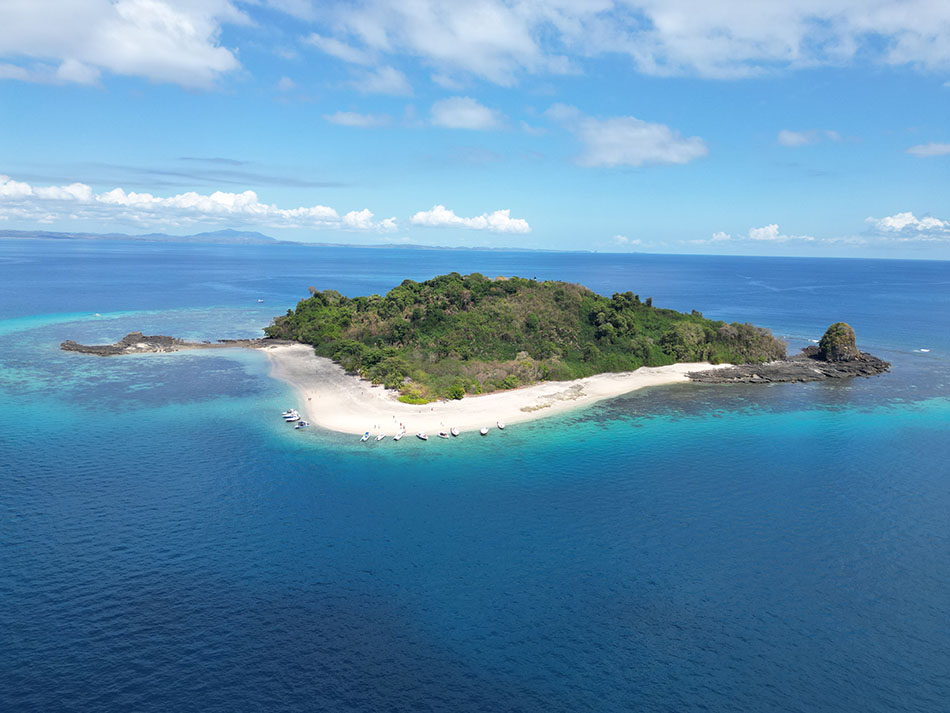
Photo: Yann Valton.
Despite this rapid growth, Nosy Be stands out as a model of sustainable management. With the support of the United Nations Development Programme (UNDP) and local initiatives, the island has implemented effective and participatory environmental governance.
Did you enjoy this excerpt?
Read the full article.
READING TIME ≈ 05 min
To enjoy this article and its exclusive content, a modest contribution is required.