


In 2024, photographer Henley Spiers received the Oceanographic & Arksen grant, a prestigious award allowing a journalist to fund their field missions for a year. During one of these missions, he had the opportunity to join Mexican researchers dedicated to studying the whales of Baja California.
The Competition of Humpback Whales
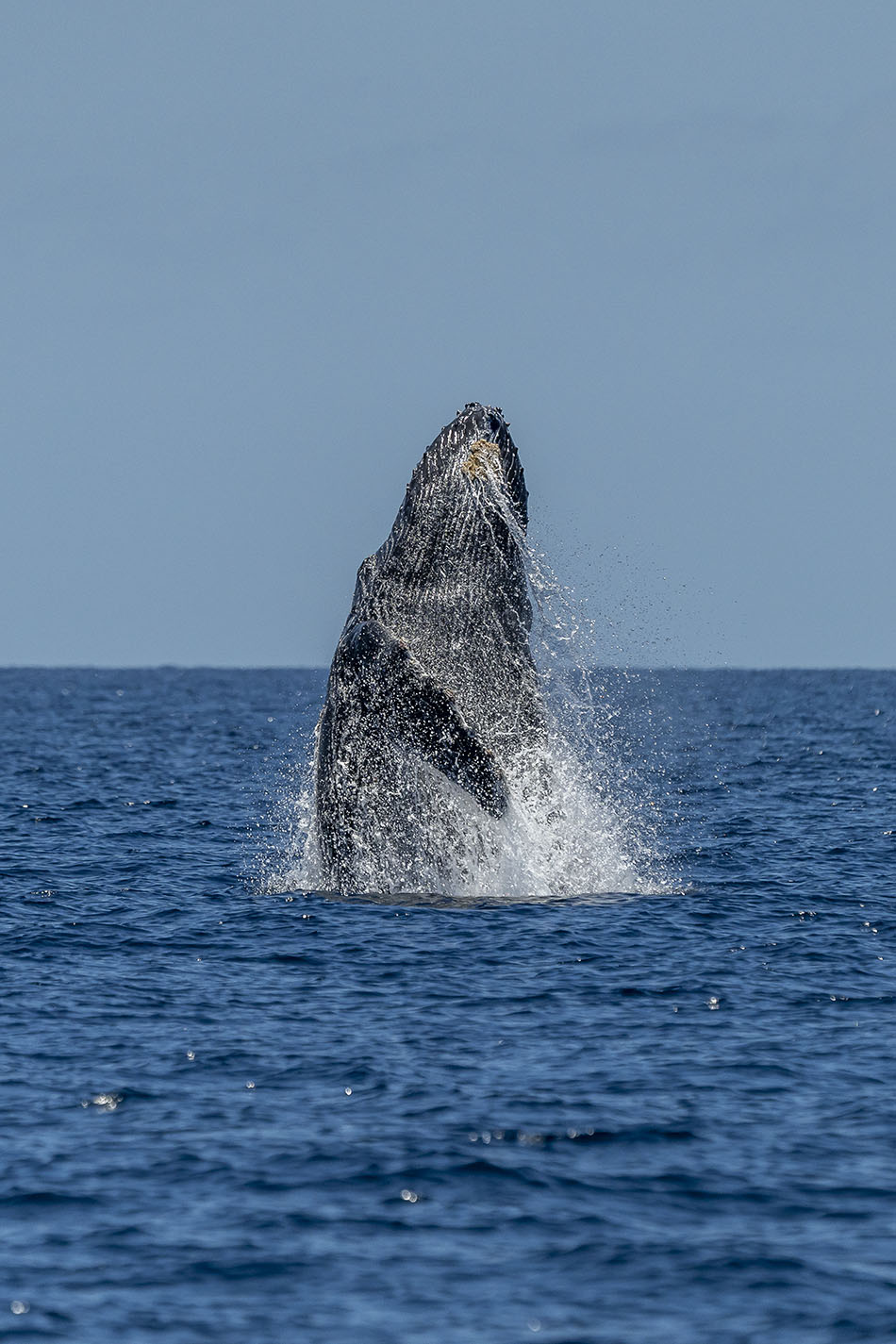
In the Sea of Cortez, Mexico, male humpback whales, weighing up to three tons, emerge from the depths. They engage in fierce competition to attract a solitary female. This struggle is a true test of physical endurance, where the males swim at full speed, striking each other with their barnacle-covered pectoral fins. Their breaths alternate between peaceful blows and powerful whistles, reminiscent of a steam engine. The colossal size of these animals, measuring up to 14 meters, is impressive, and the competition among the twelve males is fierce. When a competitor gives up, it strikes the water forcefully, creating spectacular splashes.
An Impressive Gathering
Around us, the breaths of the whales can be heard. They are numerous, gathered to raise their calves. These giants are capable of jumping completely out of the water, a behavior learned from a young age. The mothers set the example, and the young attempt to replicate this feat with touching clumsiness. Scientists believe these jumps are a form of social communication, but they also serve to eliminate parasites, attracting seabirds that come to peck at the remains.
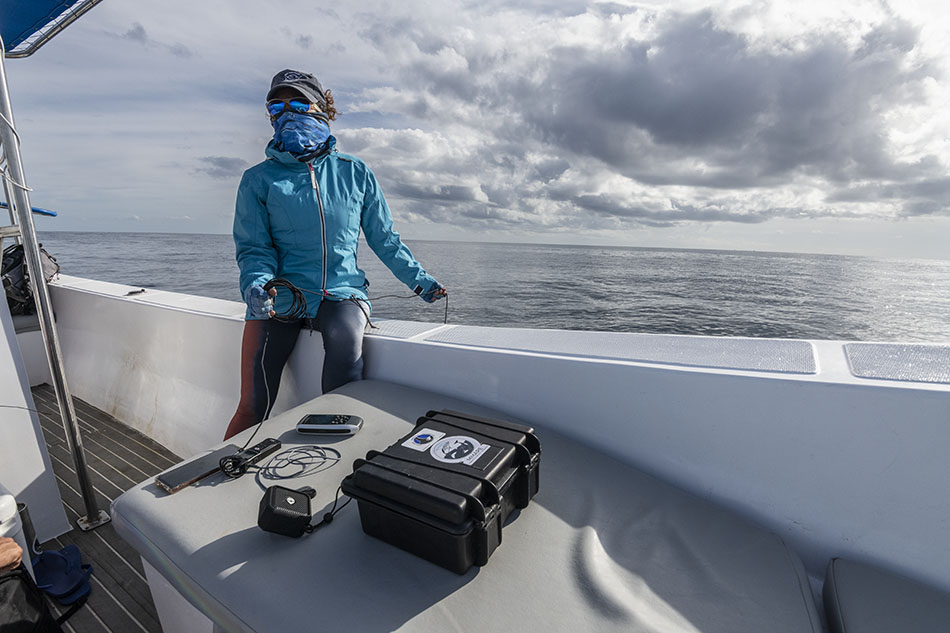
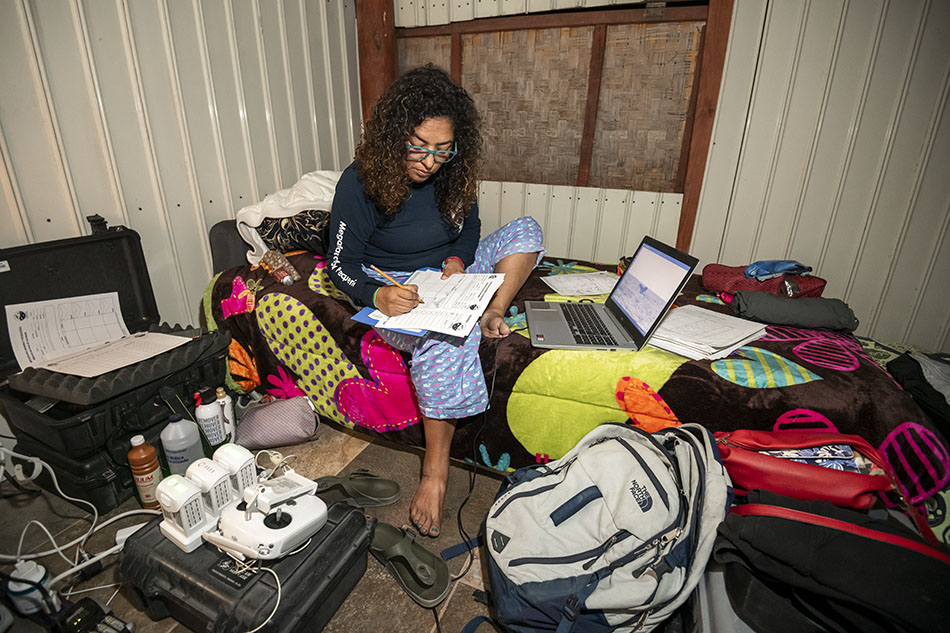
I am accompanied by Drs. Esther Jiménez López and Hiram Rosales Nanduca, professors at the Autonomous University of Baja California Sur. They are the founders of the Marine Megafauna and Fishing Program (MMAPE), dedicating their lives to the study and conservation of cetaceans. Mexico is home to 38 of the 90 species of cetaceans recorded, with 32 in the Gulf of California, providing a unique opportunity to study 35% of the cetacean species on the planet. However, locating and studying these giants of the sea remains a challenge.
An International Mission
The expedition, focused on humpback whales, is an international collaboration. The Oceanographic & Arksen grant funds the logistics, while Dr. Olaf Meynecke from Griffith University in Australia has provided CATS (Customised Animal Tracking Solutions) tags. We are in the middle of the migratory season, with the whales having traveled thousands of kilometers from Alaska and Canada.
Did you enjoy this excerpt?
Read the full article.
READING TIME ≈ 06 min
To enjoy this article and its exclusive content, a modest contribution is required.