


This week, Arte takes us on a five-episode exploration of the islands, reefs, and islets of the Bahamas, a tropical paradise home to spectacular wildlife and flora.
1er Episode: Caves and Blue HolesBeneath the water’s surface or in clearings amidst forests, you find hundreds of astonishing limestone formations unique in the world, rising thousands of meters from the ocean floors. These coral mountains have created networks of caves, the world’s largest concentration of which is found here. The blue holes were formed during the last ice age, as the dramatic drop in ocean levels exposed the limestone to fresh water, which carved caves into it. After this period ended, the seas rose, and the caves filled with water.To be seen on Saturday, January 23rd at 3:10 PM, or on Arte+7.

2nd episode: MangrovesThe first mangroves appeared in the Bahamas 50 million years ago. These tropical coastal marshes have always been perceived as wild and dangerous environments. Recently, the crucial role of the mangroves – which protect the coast from erosion and even hurricanes – has been discovered in the development of many Bahamian species: groupers, lobsters, barracudas, flamingos, crabs, herons, sharks… These creatures are essential to the ecosystem and cultural identity of the region.To be seen on Saturday, January 23rd at 3:55 PM, or on Arte+7.
3rd episode: Coral ReefsThe Bahamas archipelago holds the world’s third-largest coral reef, comprising fifty different species. Corals function in symbiosis with microscopic algae, which nourish them through photosynthesis: an essential balance for the 150 species of fish that live there, including the damselfish, parrotfish, and goby. However, this biodiversity is threatened by the lionfish, an invasive species from the scorpionfish family.To be seen on Saturday, January 23rd at 4:40 PM, or on Arte+7.
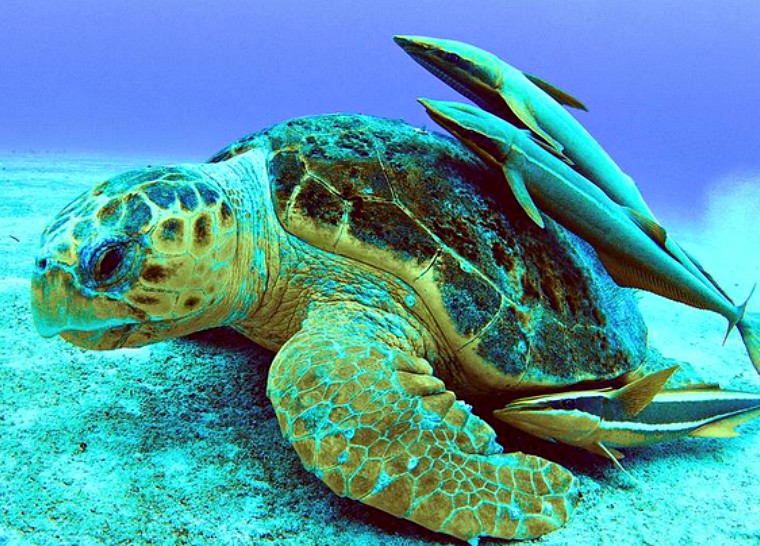
4th episode: SandbanksWhen the sea retreats, some creatures burrow into the sand. Others, like conchs, remain firmly attached to the seabed. Up to 70% of golden and pink sands are believed to have been formed by species such as parrotfish, which feed on the algae produced around coral reefs. The sand provides the perfect environment for the formation of seagrass beds, essential for the development of many species: sea turtles, rays, dolphins, flamingos, iguanas…To be seen on Saturday, January 23rd at 5:25 PM, or on Arte+7.
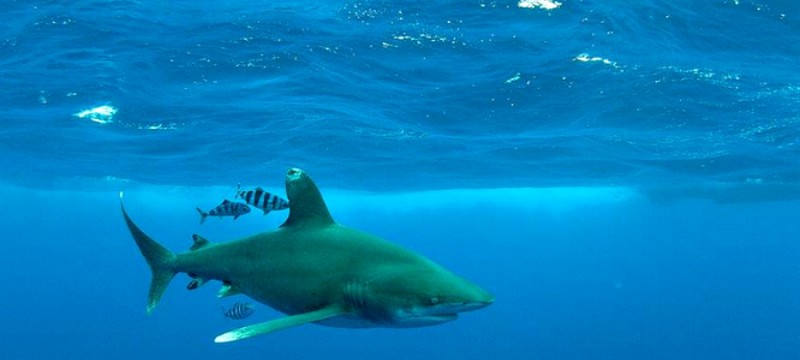
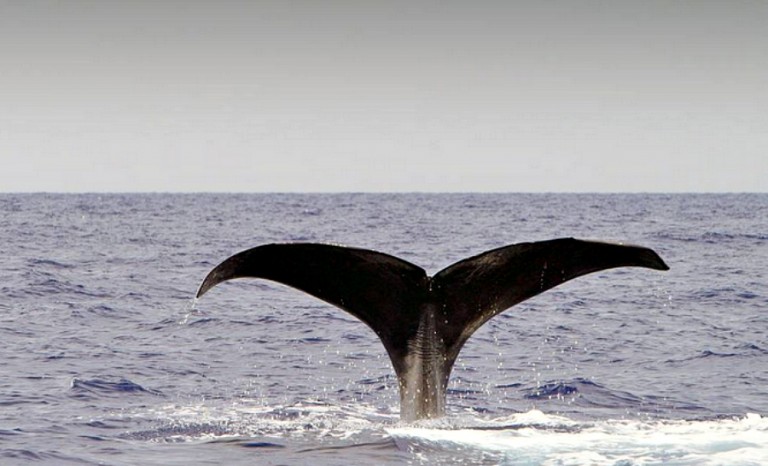
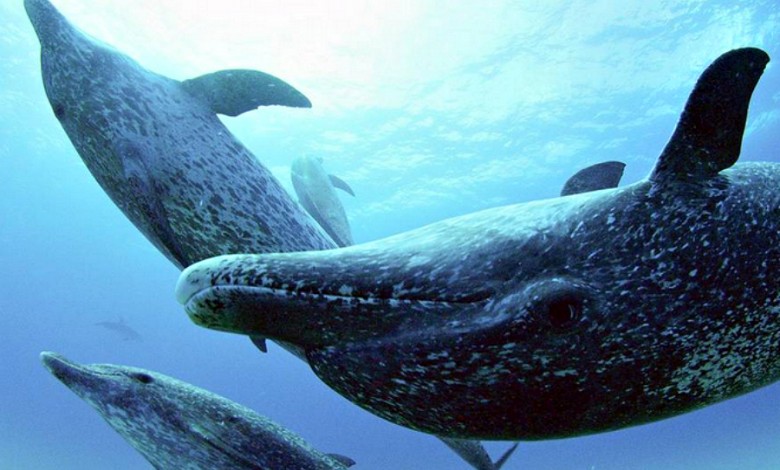
5th episode: Deep WatersOne of the most impressive places in the Bahamas is an area known as « tongue of the ocean »: an ocean trench that plunges more than 2,000 meters deep. The archipelago, which banned shark fishing in 2011, now has forty species, including the oceanic whitetip shark. The deep waters are home to numerous marine mammals, from dolphins to beaked whales. They also host sargassum, a strange floating algae that can form masses of several kilometers and provides shelter for many species today.To be seen on Friday, January 22nd at 7 PM, or on Arte+7.
Record