


Life in the coldest waters of the planet: an unexpected world
In the Arctic and Southern Oceans, water temperatures rarely exceed a few degrees. Despite these extreme conditions, marine life flourishes from the surface to the abyssal depths. From tiny crustaceans to immense whales, the biodiversity of icy seas defies all expectations and reveals fascinating ecosystems adapted to the harshness of the cold.
Extreme and contrasting oceans
The temperature of the Southern Ocean varies between -2°C and +2°C, while the Arctic Ocean, “milder” in summer, sometimes reaches 10°C before dropping again in winter.
But beyond temperature, it is geography that distinguishes these two ends of the globe:
– The Arctic Ocean is surrounded by continents and islands.
– Antarctica is a vast continent 4,500 km in diameter, surrounded by the Southern Ocean.
– The exact boundaries of the Southern Ocean, officially recognized in 2021, are still the subject of scientific debate.
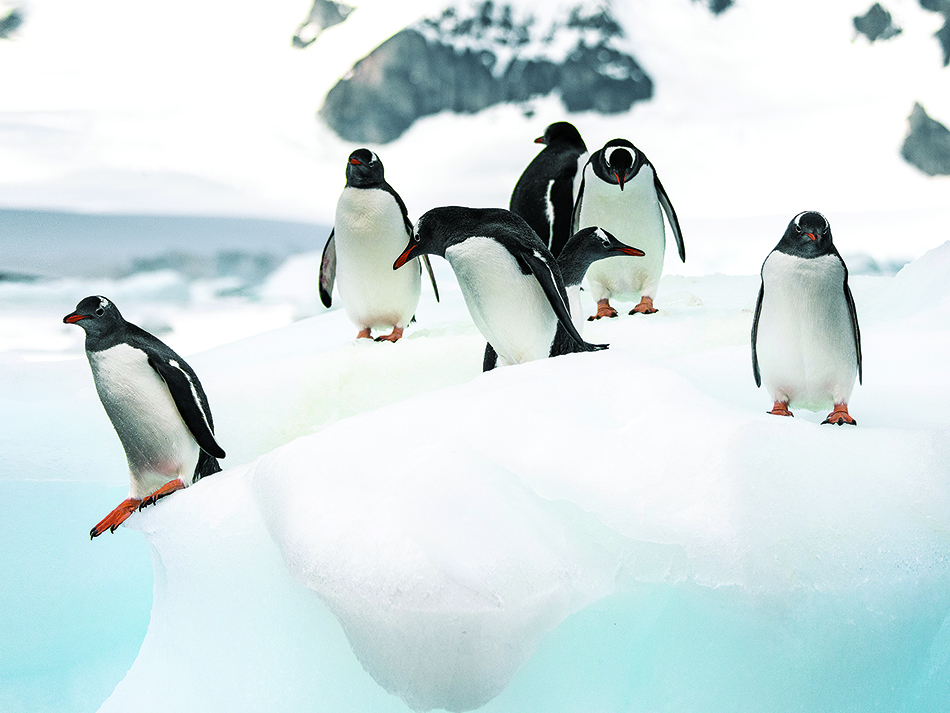
In these regions, water salinity fluctuates greatly with the formation and melting of ice. This instability makes ice-bound zones unwelcoming to life. The seabeds are often poor, as the passage of ice over the substrate can destroy all traces of life. Yet, specialized organisms survive in these extreme conditions.
Krill: an essential link in the Southern Ocean
Beneath the cold and dark surface, life organizes itself around abundant nutrient resources brought up from the depths. This richness nourishes plankton, which includes krill, a small crustacean about 5 cm long, as fundamental as it is abundant:
– 600 trillion individuals in the Southern Ocean, mostly of the species Euphausia superba.
– Basic food for baleen whales, crabeater seals, fish, cephalopods, starfish, and penguins.
– Lives in giant swarms, sometimes spanning several hundred km².
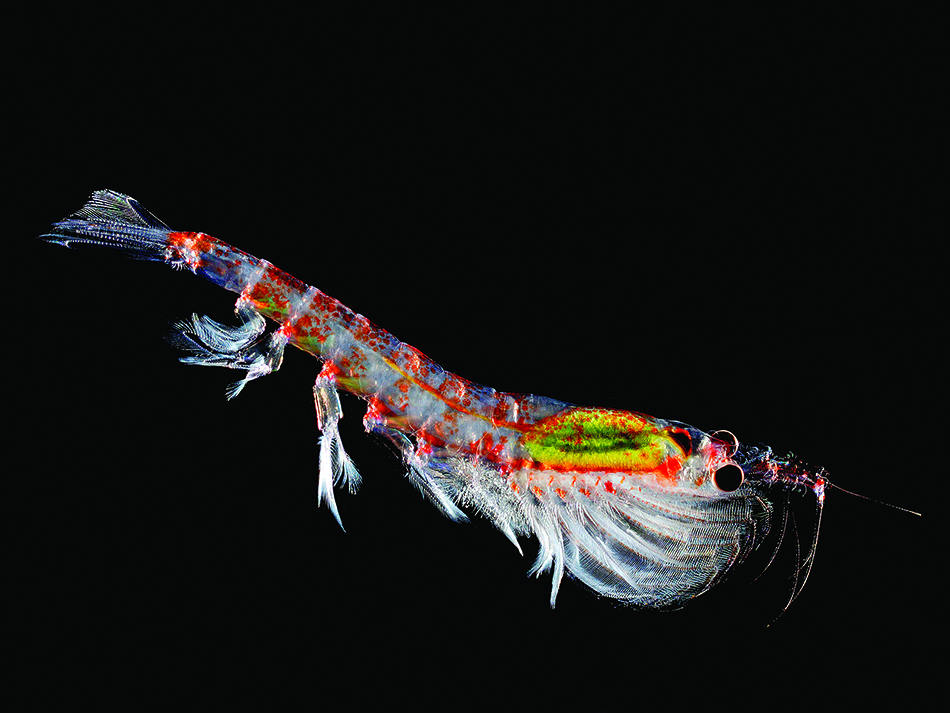
The term “krill” comes from the Norwegian “kril”, meaning “small fry”. It forms the pivot of the polar food web and attracts the largest marine predators every summer to feed.
An unexpected biodiversity under the ice
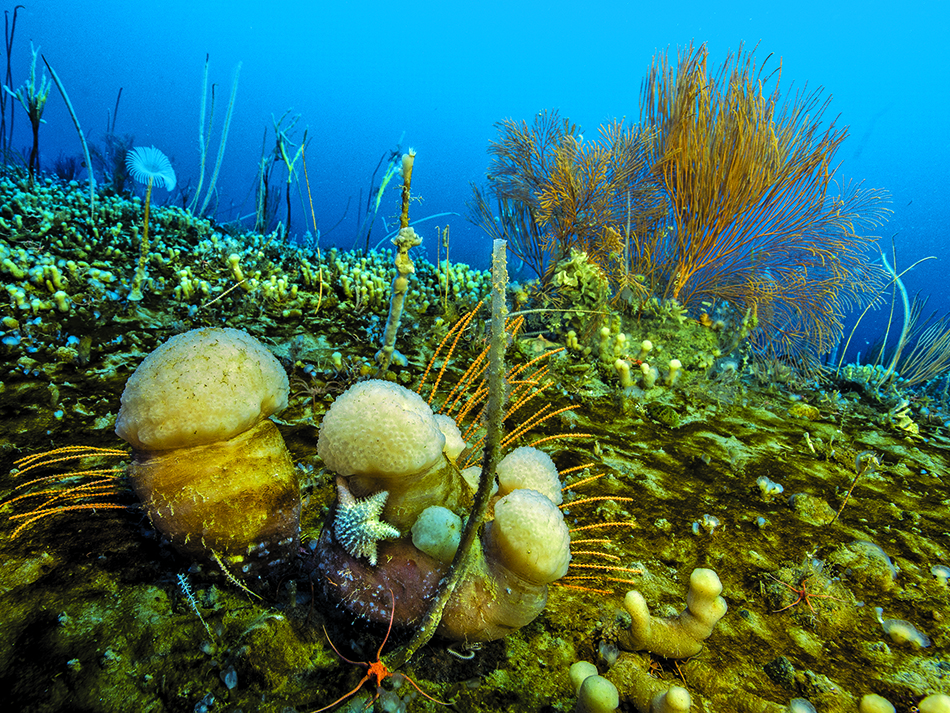
Antarctica evokes a frozen desert, but beneath the surface there is an explosion of life: more than 9,000 species recorded to date. The main groups present include:
– Cnidarians (like anemones), echinoderms (urchins, starfish), bivalves, cetaceans, pinnipeds (seals), and a wide range of birds.
– Kelp forests extending up to 30 m deep, home to large predators like the giant anemone Urticinopsis antarctica and many colorful invertebrates.
Did you enjoy this excerpt?
Read the full article.
READING TIME ≈ XX min
Dive into the heart of Magazine PLONGEZ!
To enjoy this article and its exclusive content, a modest contribution is required.