


Objective Wild: Diving into the heart of coexistence with major predators
Living in harmony with major predators: myth or reality? This is the challenge taken up by the documentary series Objective Wild, created by Rodolphe Guignard, Mégane Chêne, and Florian Launette. From Mexico to British Columbia, via the Bahamas and Norway, the team meets sharks, orcas, and crocodiles, as well as those who interact with them daily. Their approach: respect, humility, and awe in the face of wildlife.
Powerful images: immersion with predators
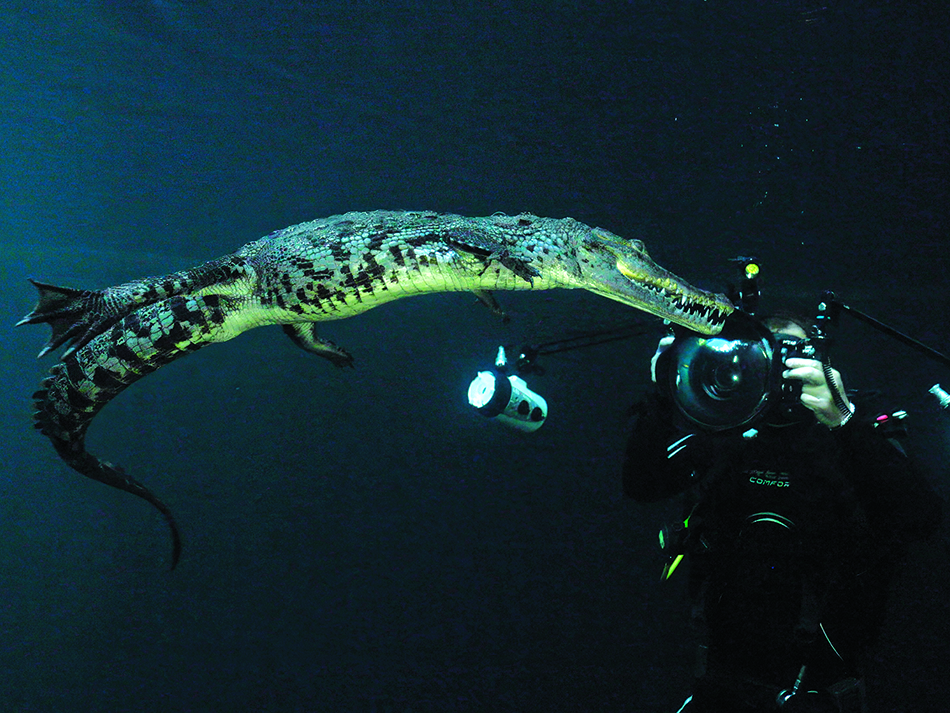
One scene sums up the spirit of the series. On a stormy night, on the Yucatán Peninsula, a crocodile and a diver share the depths of a cenote. Together, they get to know each other, brush against each other, and dance, creating a suspended moment of harmony. This face-to-face symbolizes a strong message: predators and humans can meet without fear, simply in mutual respect.
A new look at the animal world
Rodolphe Guignard and his teammates wish to change our perception of major predators. Rather than resorting to sensationalism or alarmism, they seek to understand and show that coexistence is possible. Rodolphe explains his desire to adopt “an enlightened amateur’s perspective,” to learn alongside the viewer, and to restore animals to their rightful place in our collective imagination.
On all continents, traces bear witness to the foundational role of animals in our beliefs and cultures. Yet, man has often sought to control nature, assimilating sharks, orcas, or crocodiles as threats to be destroyed. Fortunately, some territories prove that peaceful coexistence still exists.
Key questions addressed by Objective Wild:
- How is trust between humans and major predators built?
- What are the ecological challenges related to their survival?
- Can we be inspired by certain communities to imagine a sustainable coexistence?
A minimalist and mobile film crew
Filming is done with a small team: Rodolphe Guignard (photographer and main character), Florian Launette (cameraman, director, editor), and Mégane Chêne (writer and technical assistant). This very light structure allows them total discretion and great responsiveness in the face of the unexpected. To get close to the animals, especially during dives with orcas in a Norwegian storm, patience, resilience, and flexibility are required.
- Team composed of only 3 people
- A gentle and patient approach to preserve the naturalness of encounters
- Only one cameraman underwater, to limit the impact on wildlife
Up close with the animals: understanding and filming without barriers
For 12 years, Mégane and Florian have worked together, but it is Rodolphe’s passion for wildlife that sparked the project. All three seek the raw emotion of close contact, with wide-angle lenses and a pursuit of proximity rarely achieved. Respect for the animal always takes precedence over the image.
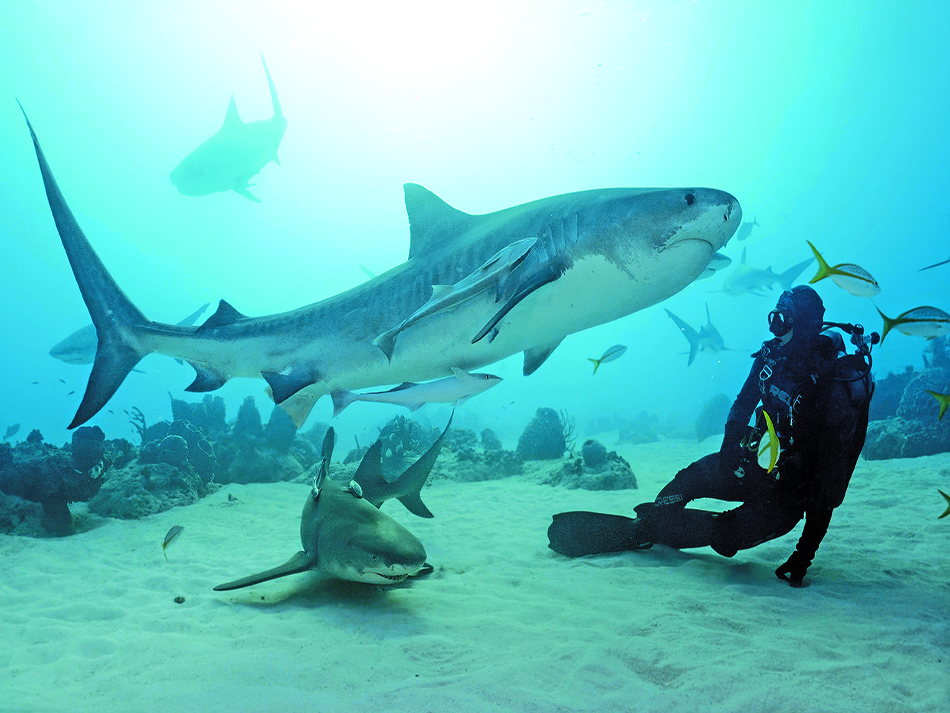
When Rodolphe dares to stroke a female tiger shark, it is the result of long mutual familiarization. This relationship, explains Florian, shows the resilience and forgiving power of the wild, even after harm inflicted by humans. Experiences with octogenarian orcas, survivors of past persecutions, also testify to the intelligence and potential bond.
Herring hunt: unique dive with Norwegian orcas
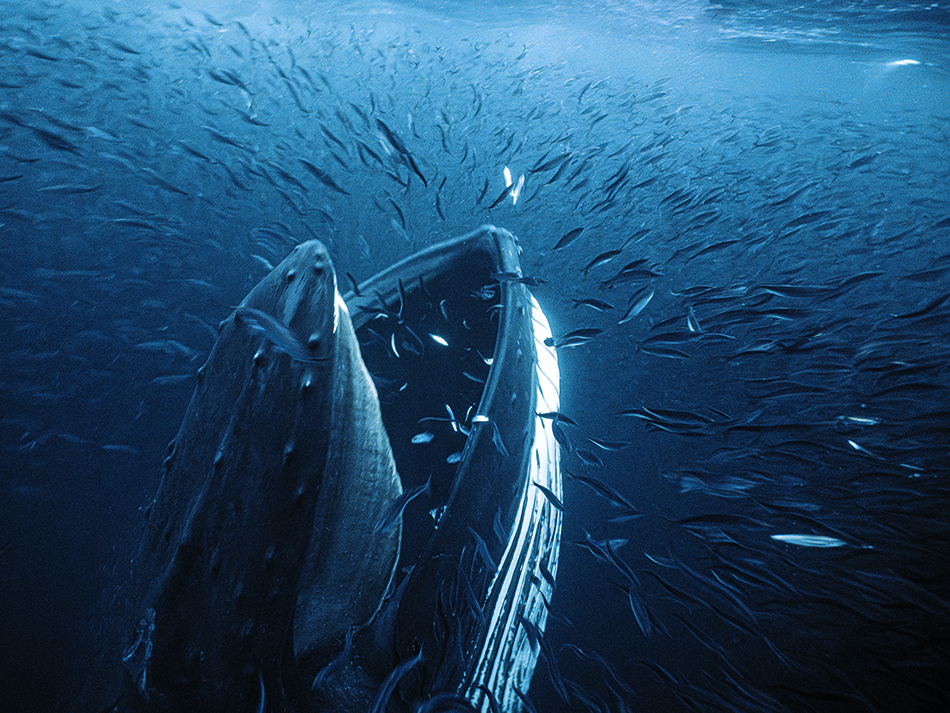
In Norway, after several days of waiting, the team experiences an intense moment: dozens of orcas and whales hunt together, herding the herring, gathering them, then launching into a predator ballet as spectacular as it is moving. This spectacle deeply marked the team members.
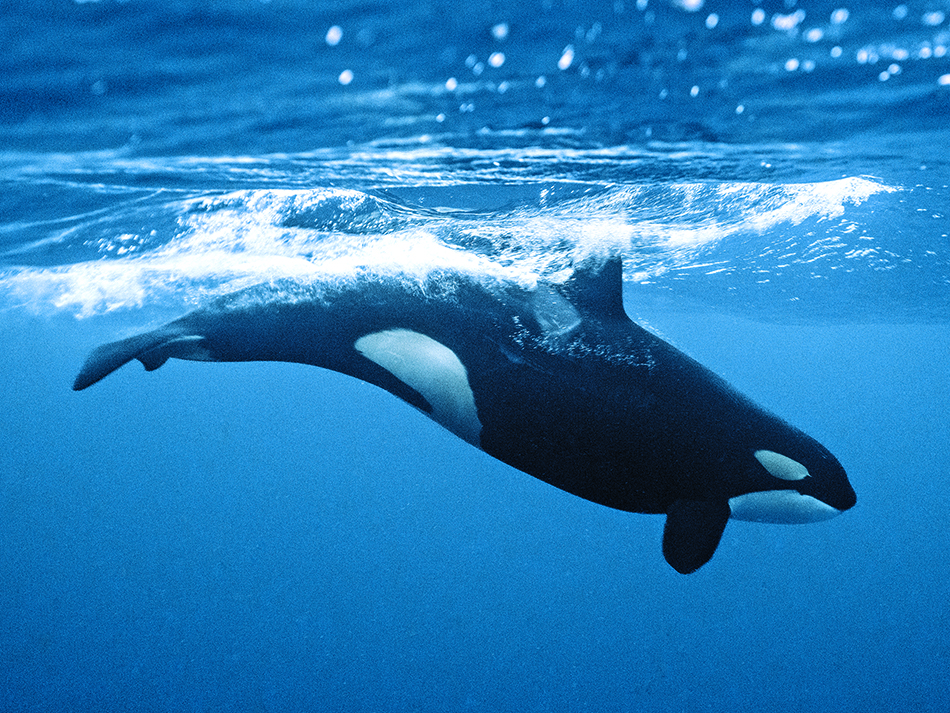
In the west, off Vancouver and in the San Juan Archipelago, they document the Salish Sea orca population, now endangered. With researcher Deborah Giles from Orca Wild, they discover an astonishing method: an assistance dog detects orca feces to gather health information crucial for species preservation.Learn more about Orca Wild).
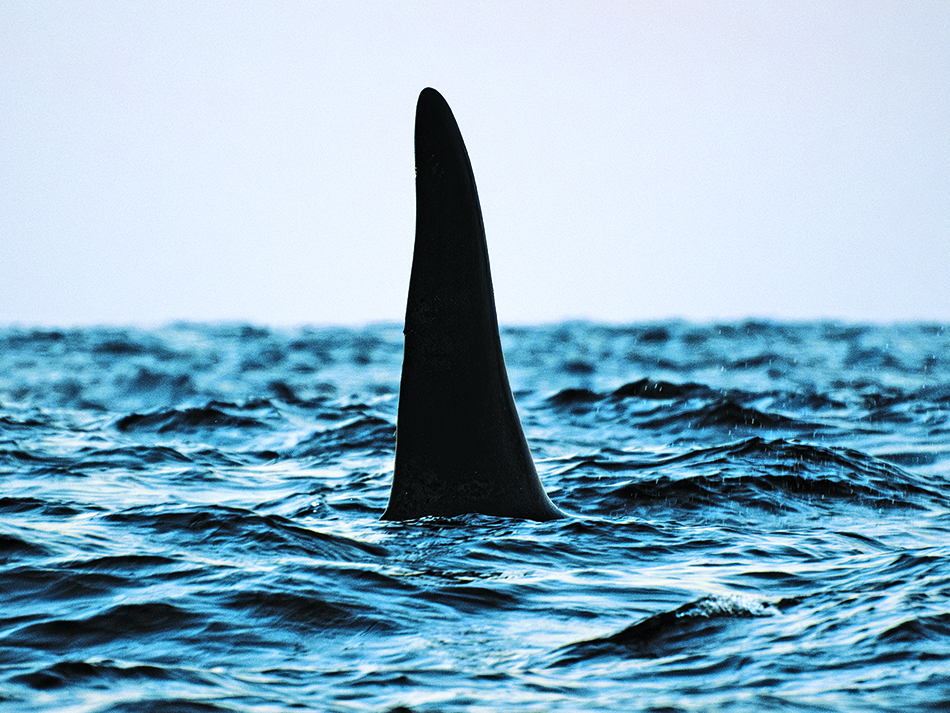
- Only 74 “southern resident” orcas remain
- Their diet depends 80% on Chinook salmon, itself threatened by overfishing and environmental disturbances
- Causes of decline: overfishing, diseases linked to farming, dams, climate change
Magical encounter with the crocodiles of the Mexican cenotes
For three nights, Mégane, Florian, and Rodolphe explore the mysterious world of Yucatán’s crocodiles. In Mayan culture, this animal embodies the link between water, earth, and sky. The team witnesses a rare scene: a satiated crocodile approaches, curious, and accepts human presence without any aggression.
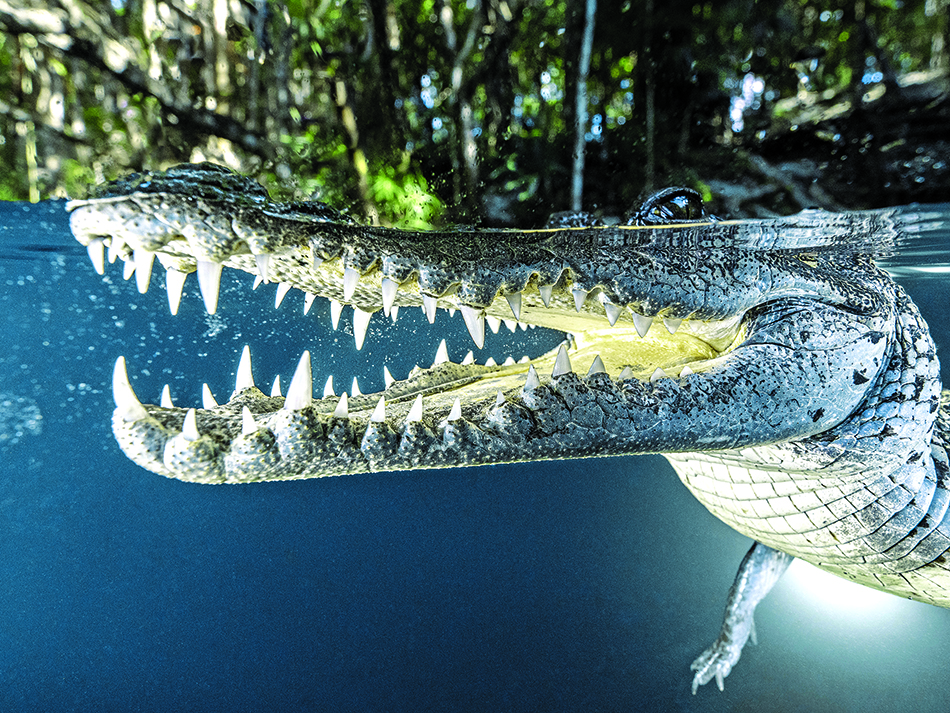
These immersions reveal the extraordinary acceptance ability of crocodiles, often misunderstood and unjustly feared. In Cancun, coexistence is real: fishermen leave their fish scraps for the animals, thus avoiding any conflict, except in cases of exceptional human imprudence.
In the intimacy of sharks: Bahamas and Florida
The series also dedicates an episode to sharks, starting on a Florida beach dubbed “the world capital of bites.” There, the population has learned to respect their marine neighbors, sharing the ocean and beaches without fear.
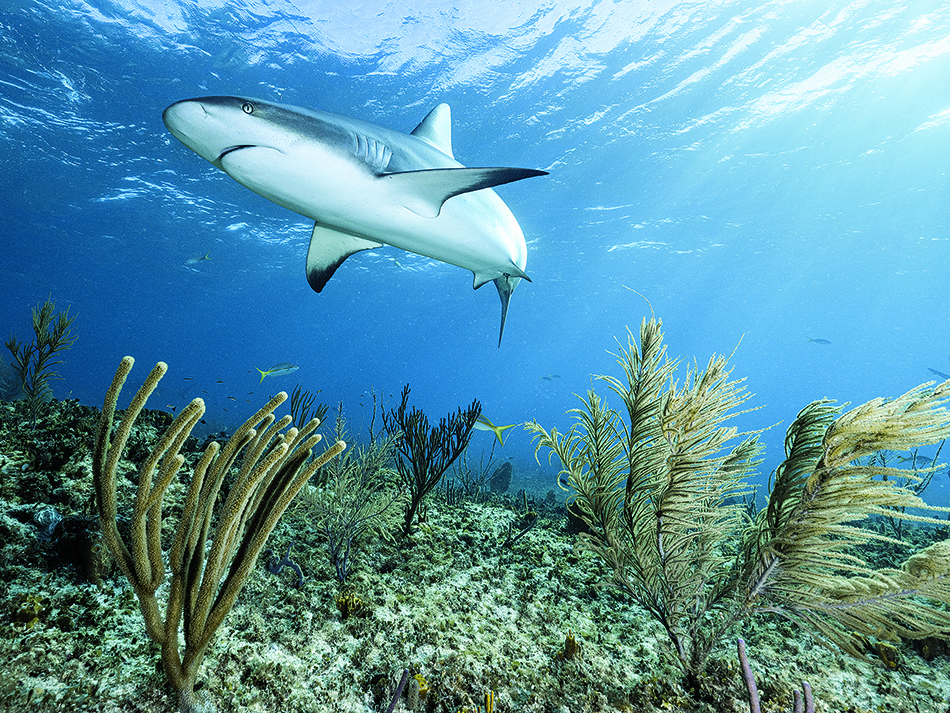
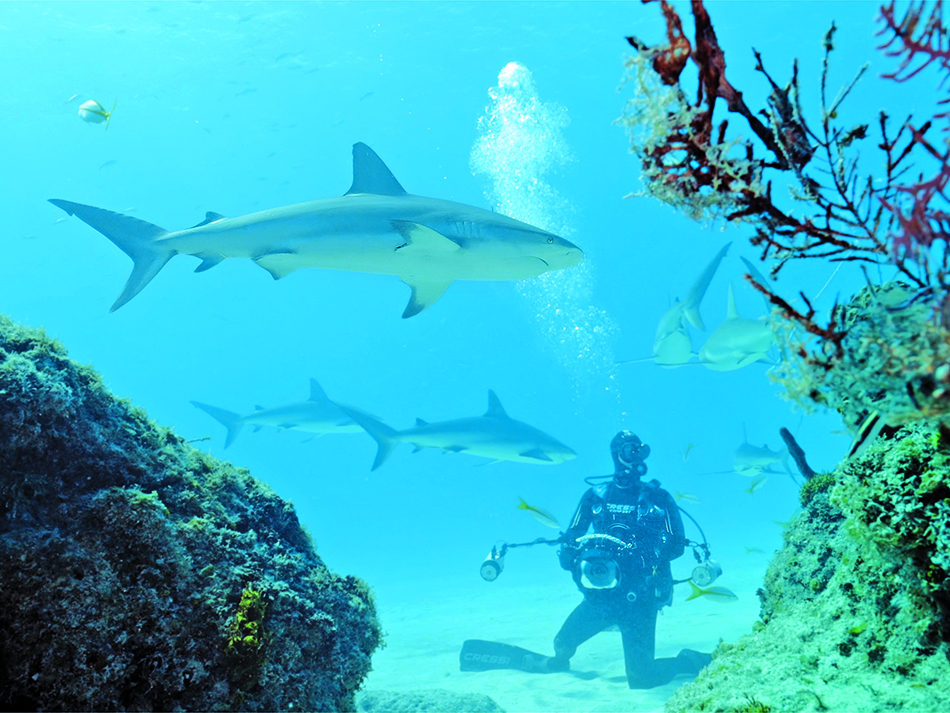
Then heading to the Bahamas, a national shark sanctuary since 2011. Fishing is forbidden there, and sustainable tourism is favored. In Bimini, Rodolphe recounts astonishing encounters with reef and tiger sharks, known to be unpredictable, but here they come close without aggression.
- Florida: example of habituation among lifeguards, swimmers, and sharksMore about Florida sharks)
- Bahamas: national sanctuary, no extraction or trade allowed
- Successful coexistence and flourishing tourism
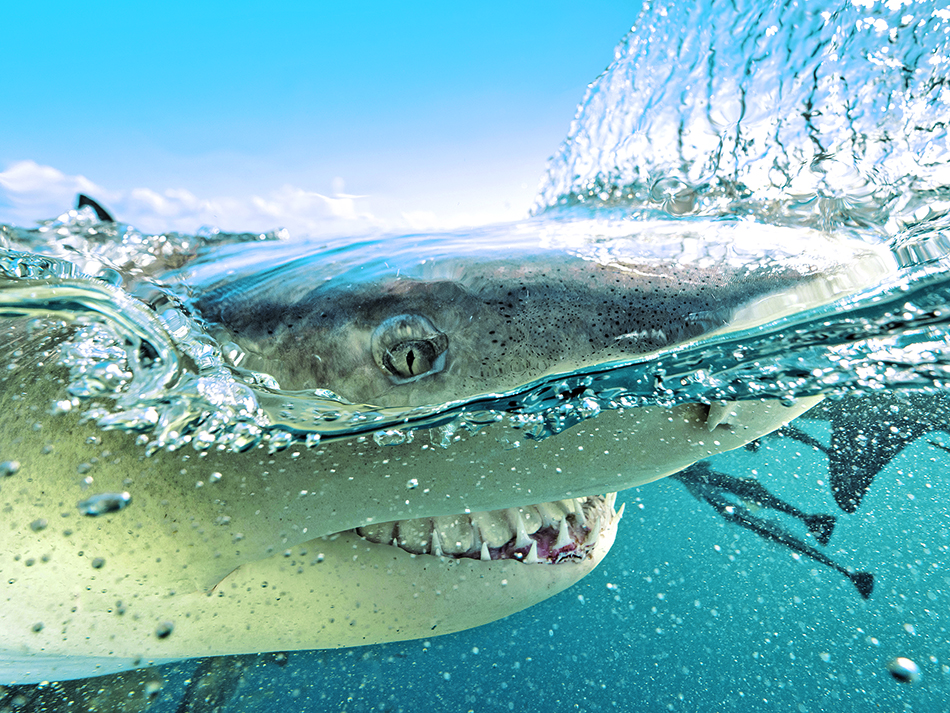
The team’s goal: to prove that coexistence is possible, and it’s not about enclosing nature under a bell jar, but creating a respectful relationship between species.
Exceptional and already awarded encounters
Luck often smiled on the team during filming, with always unexpected wildlife encounters. All the episodes, co-produced by Ushuaïa TV et CAPA, received an enthusiastic reception. The second season is already in preparation, perhaps aiming to film species so far deemed irreconcilable with humans, like anacondas.
Awards and public dissemination:
- Audience Award and Jury Prize at the Paris Shark Week
- Jury of Budding Scientists Award at the Pariscience festival
- Award at the Galathéa festival for an image of a shark
- Regular interventions in schools to promote a positive view of major predators
Conclusion: Share wonder to protect
Objective Wild conveys an essential message: understanding, respecting, and loving major predators is not only possible, it’s vital for our ecosystems’ balance. Each episode shares the beauty of encounters and the hope for better coexistence between humans and nature.
This article, initially written by Isabelle Croizeau for the print edition of PLONGEZ!, has been adapted for the web.
Photographers: Rodolphe Guignard and Florian Launette.
- Watch the trailer on Mexican crocodiles and on Bahamas sharks.