


Only a handful obtain the combat swimmer certification each year. They then join the Commando Hubert, specialized in the most sensitive underwater operations, from counter-terrorism to hostage rescue, including intelligence gathering or target destruction. The 98th training session took place in 2022, 70 years after the creation of combat swimmers.
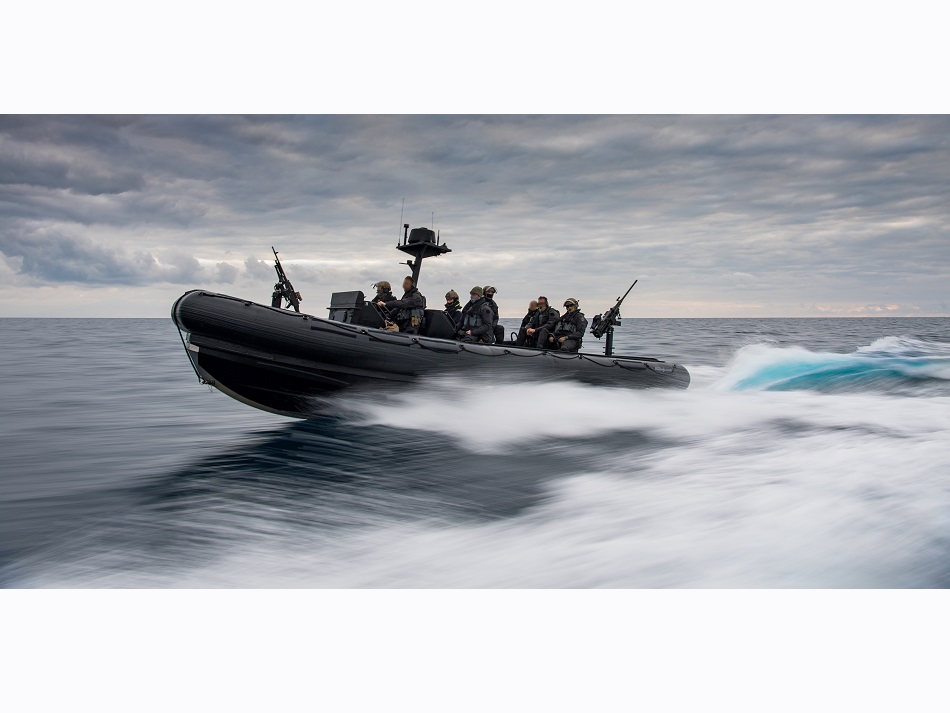
Most of them already have 5 to 7 years of experience in the Navy commandos and have become commando team leaders in their unit. Others, coming from the Army, are aiming for a career in the DGSE (General Directorate for External Security). All are certified Naval Divers, are at most 30 years old, and have successfully passed a psychological interview to determine their aptitude. But only half of them, after two weeks of pre-selections, will be chosen to join the training. During these two weeks, they will engage in air diving and theory, classical physical tests in commandos, and also a first familiarization with the FROGS, a closed circuit pure oxygen rebreather manufactured by Aqua Lung which will become, if they continue, their intervention equipment. « The goal, » explains Lieutenant Sébastien, an instructor, « is to evaluate above all their physiological capacity to intensively use the equipment. » Each year, only about a dozen are finally chosen to join the Diving School of Saint-Mandrier in December. They then embark on a long journey that may lead them to the ultimate honor: joining the Commando Hubert, named in tribute to one of those who joined, in 1942, the Kieffer Commando, created in Great Britain by Free France, and who took part, even at the cost of their lives, in the Normandy landing.
Seven months of intensive training
They then begin a seven-month training consisting of various modules, knowing that they can be excluded at any time. The pressure is constant and, although the first few weeks are mainly focused on obtaining coastal and offshore permits, they quickly dive into the core of the matter. From January, they start what is called the technical phase. « At its conclusion, » explains Ensign Sébastien, they must perfectly master their diving equipment as well as their weaponry. » They of course dive every day, engage in night exercises, pool sessions… A sustained pace that accelerates in March when they enter the so-called improvement phase. Initially, it is about teaching them how to plan attack projects, reach objectives located several kilometers away, while refining palm speed and angle of progression, discreetly and efficiently. They play out scenarios dictated and supervised by the instructors, before moving on to what is called the PROAT phase (…): learning to plan on paper, then to perform in real conditions, attack plans. They have to invent and memorize dozens of scenarios, be able, depending on circumstances and obstacles, foreseen or not, to react and correct the established plan.
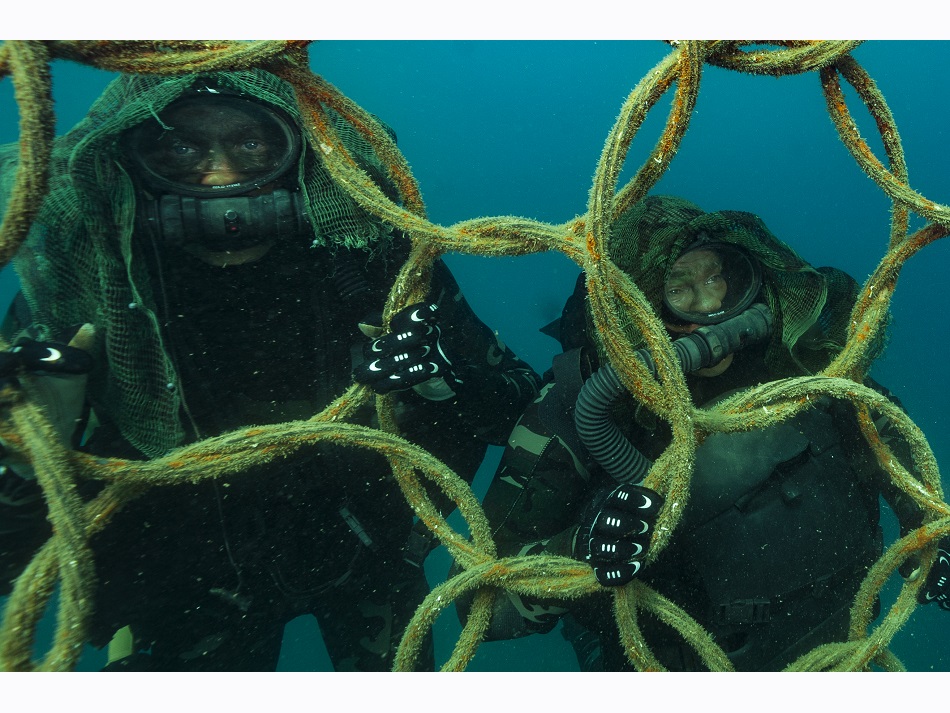
They also learn, guaranteeing their safety, to work in pairs, strapped to each other. Day or night, they also perform numerous kayak raids and paddling sessions, covering up to 15 kilometers, after which they embark on a dive. They also go to train in an Army center to be capable of deploying all types of explosives. Then comes a 100-kilometer kayak raid. Early May, the so-called amphibious week takes place, during which they learn to dive with all their ballistic protections and weaponry.
The synthesis phasesèse
After 5 months of continuous effort, they still need to find extra resources to face what is called the synthesis phases, the application, as realistically as possible, of everything they have learned. Through intervention simulations, they need to organize and perform their missions. And although these are trainings, they must work exactly as if it were a real intervention, leaving nothing to chance and being able to complete the mission without any help from their instructors. They also travel to Brest to face different weather conditions, in unfamiliar places. Their curriculum is completed with parachute training and, for some, a passage through CESSAN with its helicopter evacuation course. There, they learn how to land in water with all their gear and how to shed their parachute. A technique that, even for experienced paratroopers, does not improvise, especially since it will often have to be done at night, in less than ideal weather conditions. Back at Saint-Mandrier, they also learn some underwater work techniques. Then comes the last dive, called the operational validation.
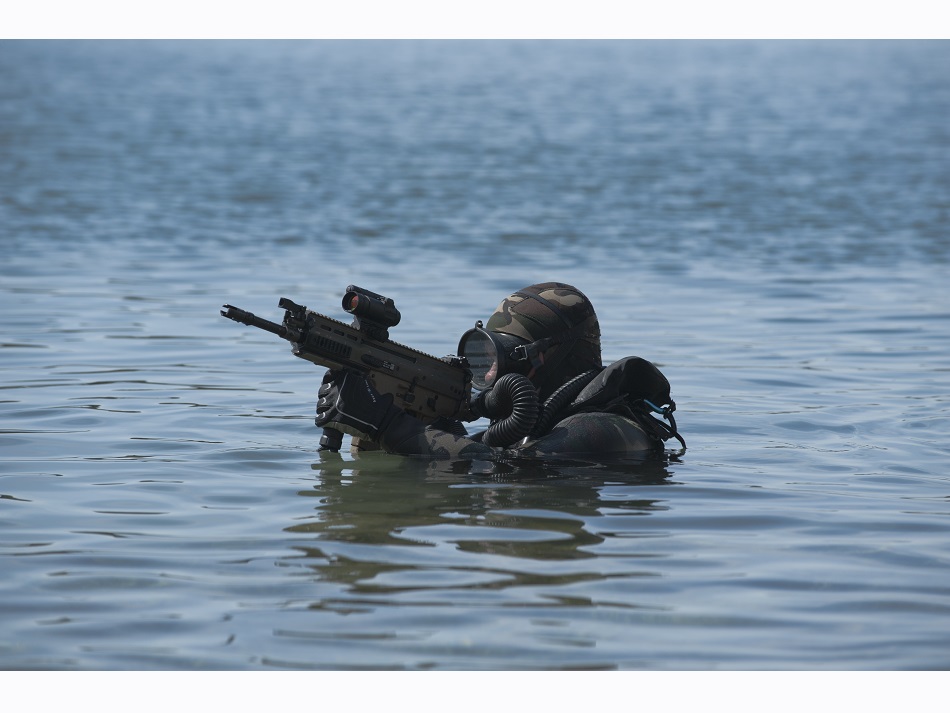
The training is more than difficult, and half of them do not reach its end. « However, explains Ensign Sébastien, it is very rare that one gives up because they cannot mentally cope. Generally, we detect this possibility beforehand, during the pre-selections. On the other hand, none of them is safe from an injury that can terminate their training. But it is mainly what we call security breaches that can lead to exclusion, depending on the assessment of an instructional council we put in place when the problem arises. » In general, one only stays a few years in the Commando Hubert, between 6 and 10 years. It’s a unique life that requires total commitment.
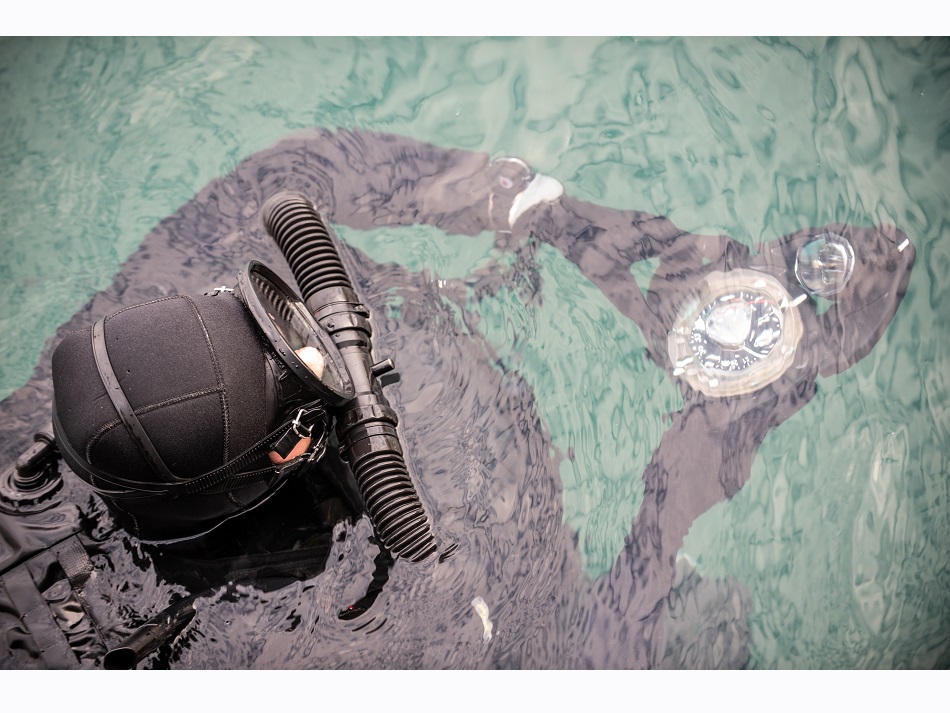
« Having joined the army late, at 25 years old, I became a navy commando and quickly a team leader. In my commando journey, I had the chance to try the FROGS and immediately wanted to join the course, from which I graduated last July. I am now certified but to be fully certified, I still have several steps spread over a year: obtaining the « specialized groups – CTLO » (Counter-Terrorism and Hostage Liberation) mention, then the « ops » (operational) parachutist’s badge to be deployable by air, as well as specific training completing the course achievements. This certification is done here, within one of the two groups one will be assigned to, the third being more focused on underwater devices and snipers. From there, I can be deployed. But we continue to train constantly, all of us, in a constant state of reassessment, trying to find the perfect gesture. Once considered operational, one must be available at all times, ready to leave in less than an hour if an alert is triggered. And indeed, one must have a family capable of supporting this situation. For a young person dreaming of the Commando Hubert, it’s important to keep this long-term goal, but without forgetting to fully invest in all the stages. And also remember that, out of 100 marine riflemen, only 20 will become commandos, 10 team leaders, and 2 will enter the Combat Diver course. What I found the hardest was managing my stress throughout the training. There is a lot to assimilate; one cannot afford not to master a technical move, and in that sense, the first two months are, in my opinion, the most challenging. It’s really endurance that prevails. You have to be constantly at 100%, while still being able to give even more. Usually, one doesn’t join the course before the age of 28, a maturity which seems necessary to me for having every chance to succeed. »
Second Master Vincent
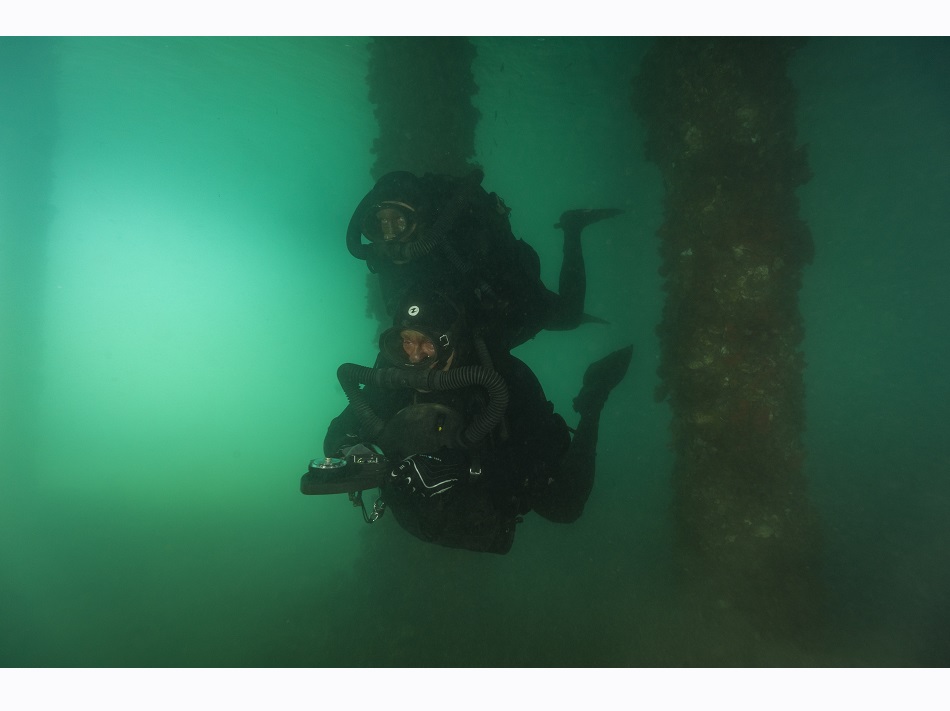
opening image. ©Alexis Rosenfeld