


In tide pools at low tide, in the company of sea anemones, crabs hide in unsuspected corners. If you pay attention, you will discover that there are nearly 7,000 species of crabs, animals as fascinating as they are complex.
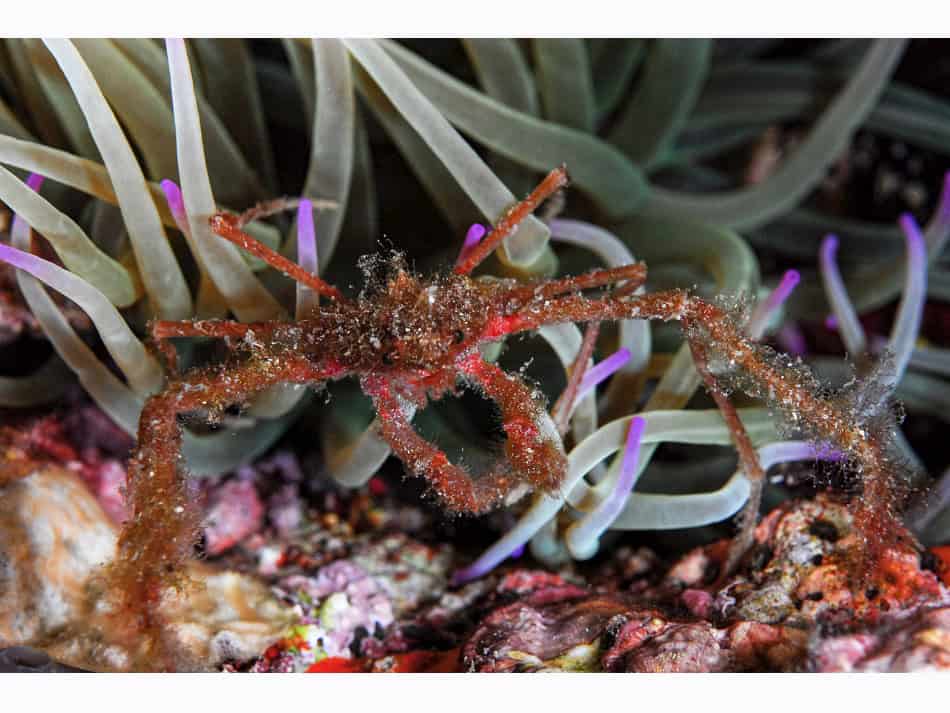
An overview of crabs
Crabs belong to the phylum arthropods, which emerged about 1.8 million years ago. This group is divided into several subphyla, including spiders, scorpions, insects, and of course, crustaceans like crabs. These invertebrates have a segmented, articulated body covered by a rigid cuticle, an exoskeleton that provides protective structure.
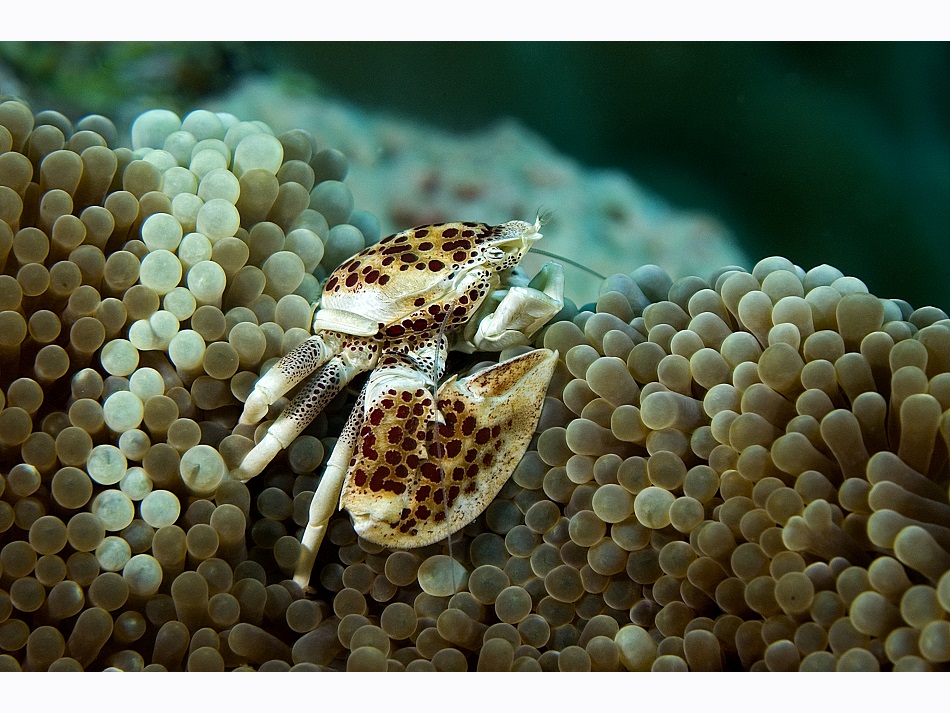
Anatomy of crabs
The body of crabs consists of two main parts: the cephalothorax and the abdomen, the latter being folded under the cephalothorax. Crabs also have ten legs, with the first pair modified into claws. These claws are used for feeding, defense, and digging burrows.
Did you enjoy this excerpt?
Read the full article.
READING TIME ≈ 7 min
Dive into PLONGEZ! Magazine
To enjoy this article and its exclusive content, a modest contribution is required.