


Diving at the Amas du Cap near Cape Fréhel: an exceptional underwater site
Just a few minutes from the port of Saint-Cast-le-Guildo in Brittany, discover the Amas du Cap, a wild islet located near the famous Cape Fréhel in the Côtes-d’Armor. This unique diving spot captivates with its breathtaking landscapes, diverse seabeds, and abundant wildlife, offering an experience accessible to all levels of divers.
An unforgettable journey to the diving site
The boat trip to the Amas du Cap is already an adventure in itself. Sail alongside:
- Impressive and rugged cliffs
- Small wild coves
- The splendid medieval Fort La Latte clinging to the rock
- The numerous seabirds animating the landscape
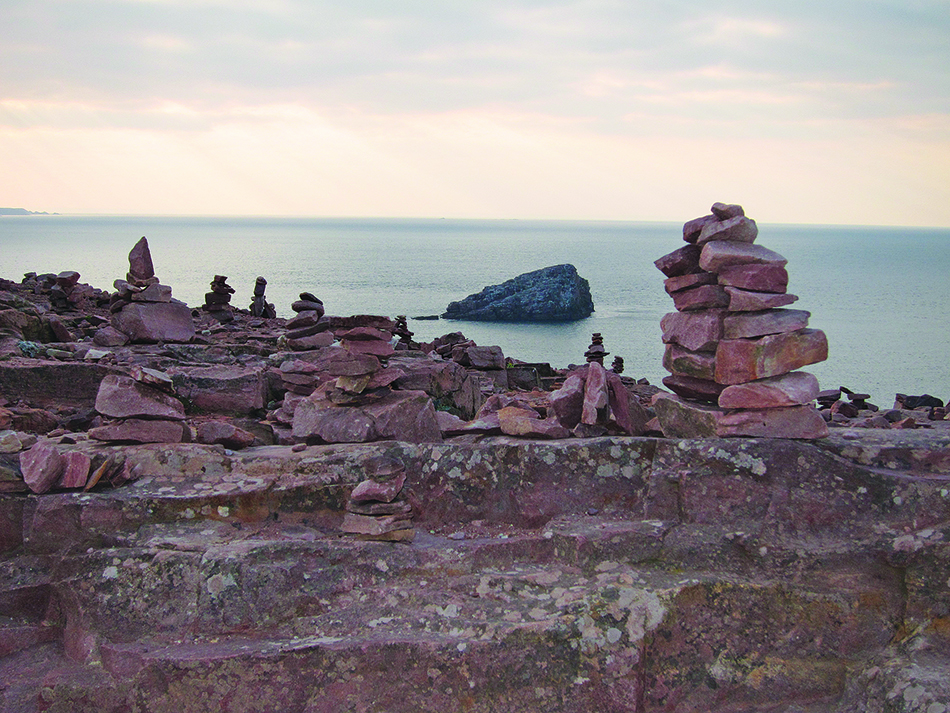
Due to potentially strong currents, diving is practiced in the shelter of the islet. The boat moors easily along the rock, providing safety and tranquility for entry into the water, with a shallow depth under the boat. When the sun shines, the waters take on an emerald glow worthy of the Caribbean.
An immersion for all levels
The Amas du Cap site is suitable for both diving initiations and explorations for experienced divers. You move in an area between 5 and 25 meters deep.
- Easy and safe entry into the water near the rock
- Varied underwater landscapes: drop-offs, maerl beds, kelp stretches
- Visibility often remarkable thanks to the limestone composition of the seabed
The dive begins with the discovery of a small drop-off, rich in discreet fauna. Keep an eye out for shrimp, cuttlefish, rays camouflaged in the maerl, or the shimmering schools of sand eels swirling above the sand. Sea hares, sometimes solitary or in pairs, add a touch of life to these unique bottoms.
Did you enjoy this excerpt?
Read the full article.
READING TIME ≈ XX min
Dive into the heart of PLONGEZ! Magazine
To enjoy this article and its exclusive content, a modest contribution is required.