


Diving in Mexico: A paradise between land and sea
Mexico, famous for its exceptional landscapes, captivates travel and diving enthusiasts from around the world. Between majestic mountains, lush jungles, Baja California deserts, and mysterious cenotes of the Yucatán, this country offers a mosaic of fascinating settings. But the true magic also reveals itself beneath the surface: vibrant coral reefs, abundant marine life, and unique experiences crown Mexico as a top diving destination.
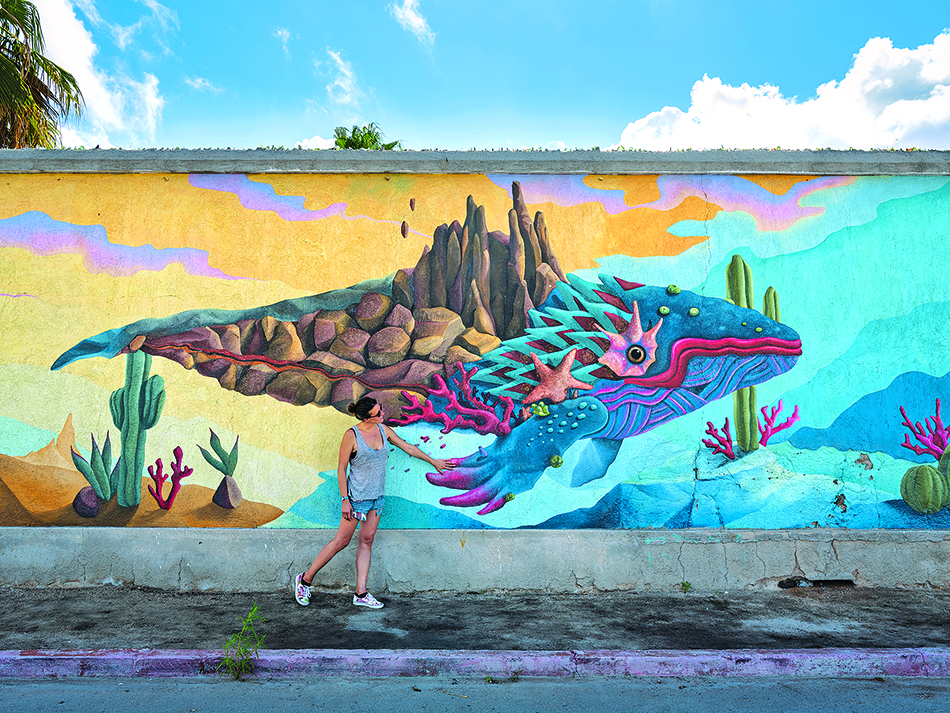
Located at the crossroads of cultures and natural spaces, Mexico spans over 1.9 million km². Bordered by the Pacific Ocean, the Sea of Cortés, the Caribbean Sea, the United States, Guatemala, and Belize, it is influenced by indigenous, pre-Columbian, and Spanish heritage. With its 126 million inhabitants, the country blends heritage, traditions, and modern life.
Mexico: Geographical diversity and underwater riches
From the deserts of Baja California to the Yucatán cenotes and Caribbean reefs, Mexico is teeming with natural treasures. Gastronomy, listed by UNESCO (tacos, mole, ceviche, tequila, mezcal), echoes this plurality. But it is in its waters where true biodiversity thrives: the country harbors about 10% of the world’s natural wealth according to WWF, with more than 200,000 documented species, a large portion of which are marine. Whales, whale sharks, sea lions, manta rays, and mobula rays cross paths with divers and freedivers seeking thrills.
- Varied landscapes: mountains, jungles, deserts, beaches, cenotes.
- Marine richness: 200,000 species, living coral reefs, impressive megafauna.
- Two must-discover regions: the Yucatán (cenotes, Caribbean reefs) and Southern Baja California (Sea of Cortés, Pacific coast).
The Yucatán Peninsula: nature, history, and strong emotions
A sanctuary of biodiversity
Between the Gulf of Mexico and the Caribbean Sea, the Yucatán Peninsula, composed of the states of Yucatán, Quintana Roo, and Campeche, merges cultural heritage, Mayan sites, and exceptional nature. Here, mythical cenotes, bull sharks, crocodiles, and biodiversity reserves intertwine.
- Sian Ka’an Reserve: UNESCO-listed, it hosts dolphins, manatees, rare birds.
- Rio Lagartos: colonies of pink flamingos, crocodiles, and horseshoe crabs.
- Punta Laguna: refuge for spider monkeys and howler monkeys, restored by community preservation.
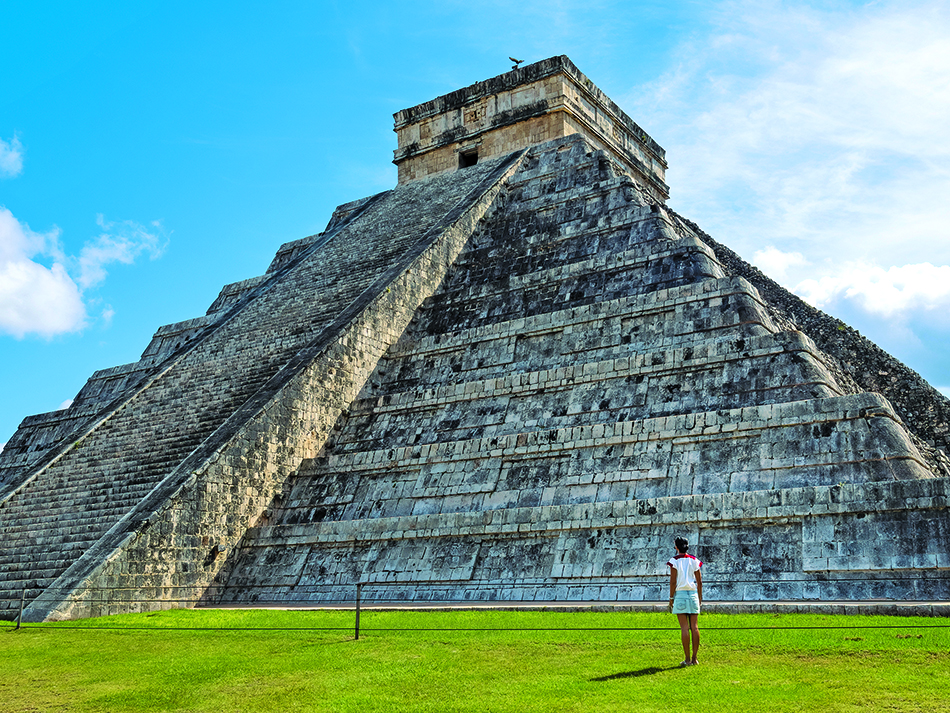
Yucatán cenotes: between geology and Mayan rites
The cenotes are immense aquatic cavities resulting from a rock collapse during the Chicxulub asteroid impact 66 million years ago. These submerged caves, interconnected, were sacred to the Mayans who saw them as portals to the underworld Xibalba.
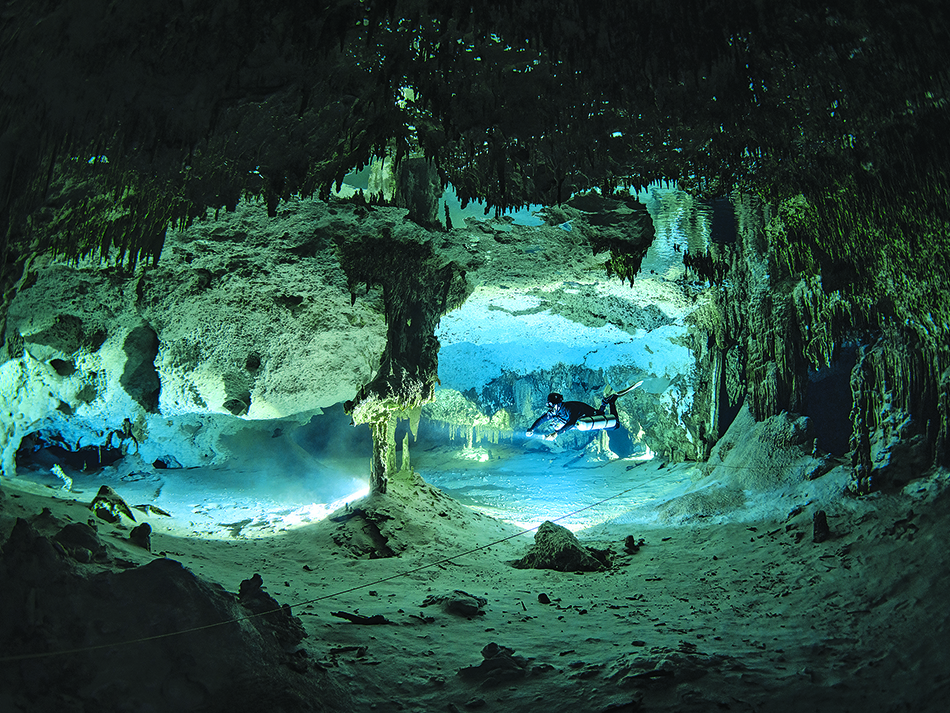
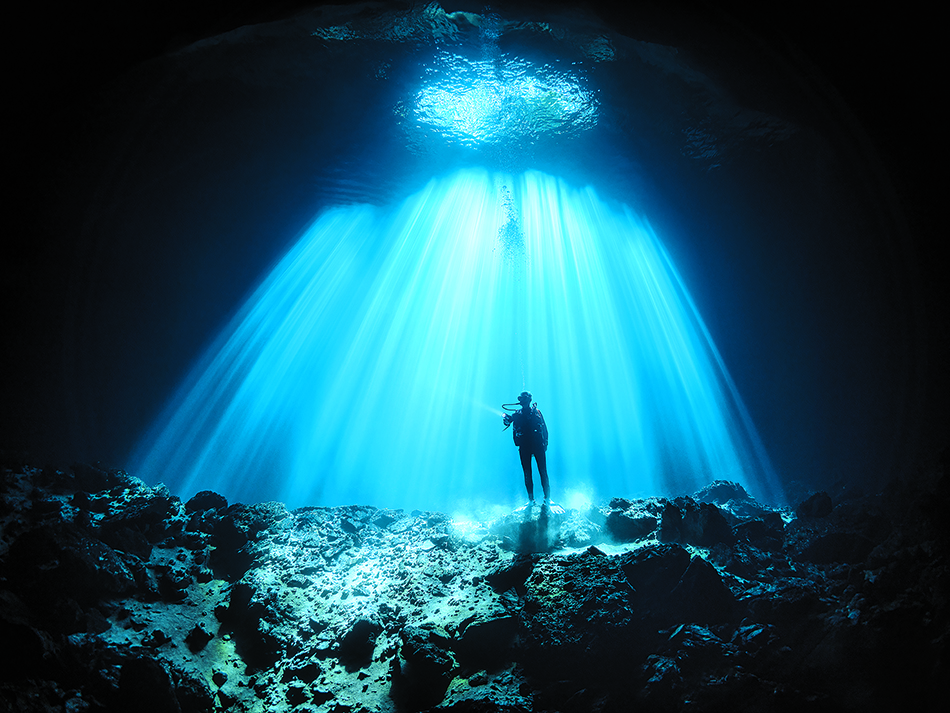
Today, diving in a cenote is a unique experience: one explores clear waters between stalactites and haloclines, where light shapes the landscape. Ritual objects and human remains attest to their sacred past.
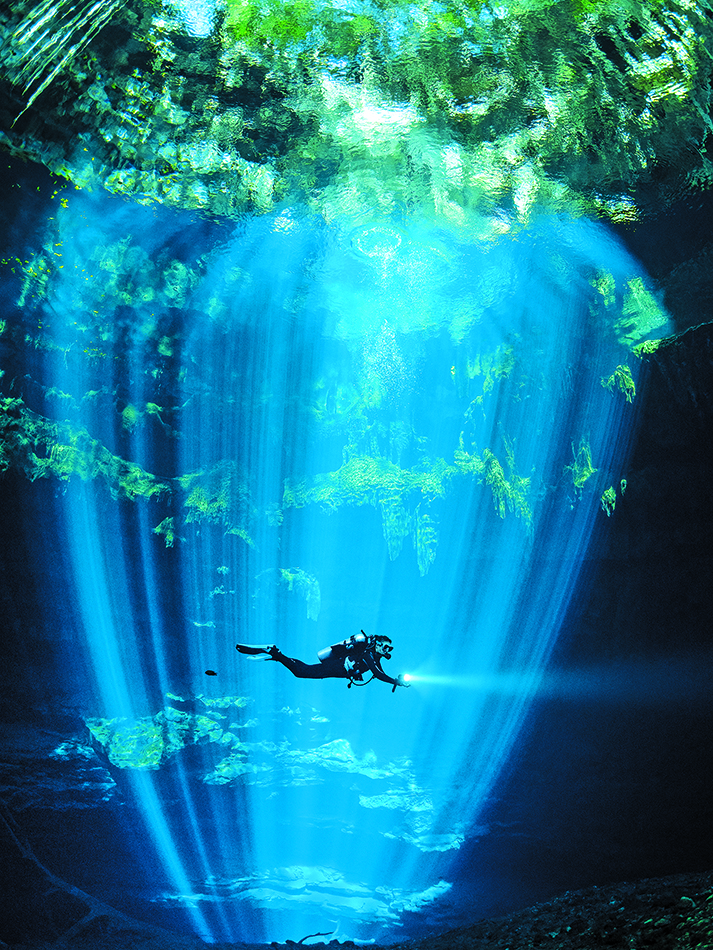
The must-see cenotes to discover
- El Pit and Angelita : spectacular descents above sulfur clouds, surreal ambiance.
- Car Wash : lily pad carpets, play of shadows and water.
- Ponderosa (Garden of Eden) : for snorkeling and diving, abundant aquatic life.
- Zapote : Hell’s Bells, remarkable limestone formations.
- Maravilla : rays of natural light in crystalline waters.
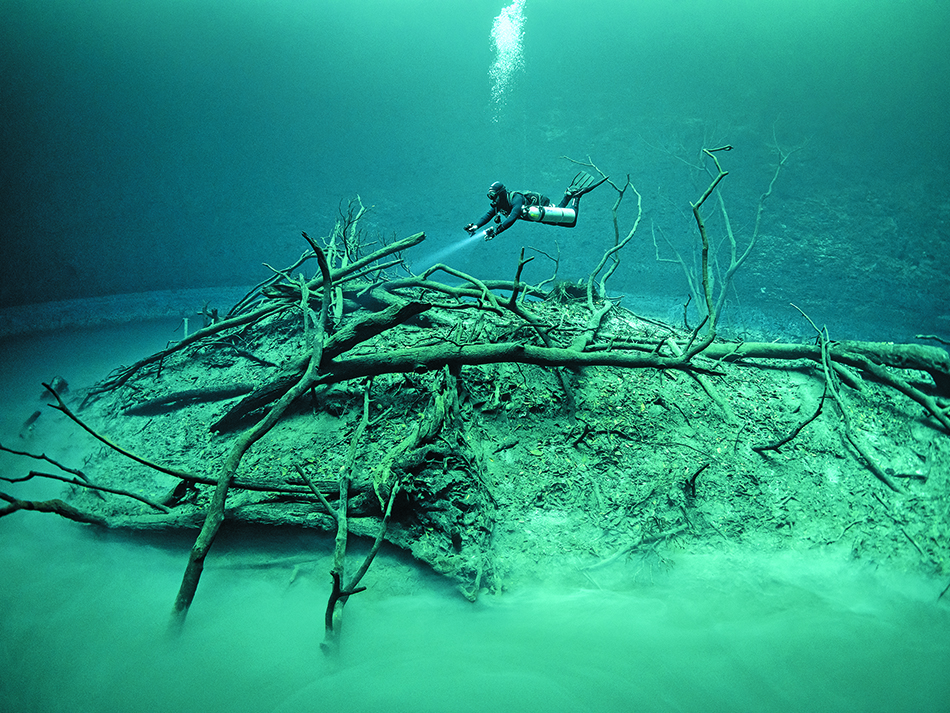
Hidden cenotes around Mérida
Away from the tourist flow of the Riviera Maya, the cenotes in central Yucatán offer intimacy and history.
- Xlacah: accessible basin, perfect for snorkeling.
- Kankirixchen: large luminous cavern, ideal waters for diving.
- Noh-Mozón: dome dotted with stalactites, ideal for underwater photography.
- Kanún: protected archaeological cenote, colonial and Mayan remains.
Dives in the Caribbean Sea
After the cenotes, the coastal sites cannot be missed. Playa del Carmen attracts divers of all levels with its calm waters, turtles, barracudas, and the Mama Viña wreck. These depths also reveal nudibranchs, arrowhead crabs, and seahorses.
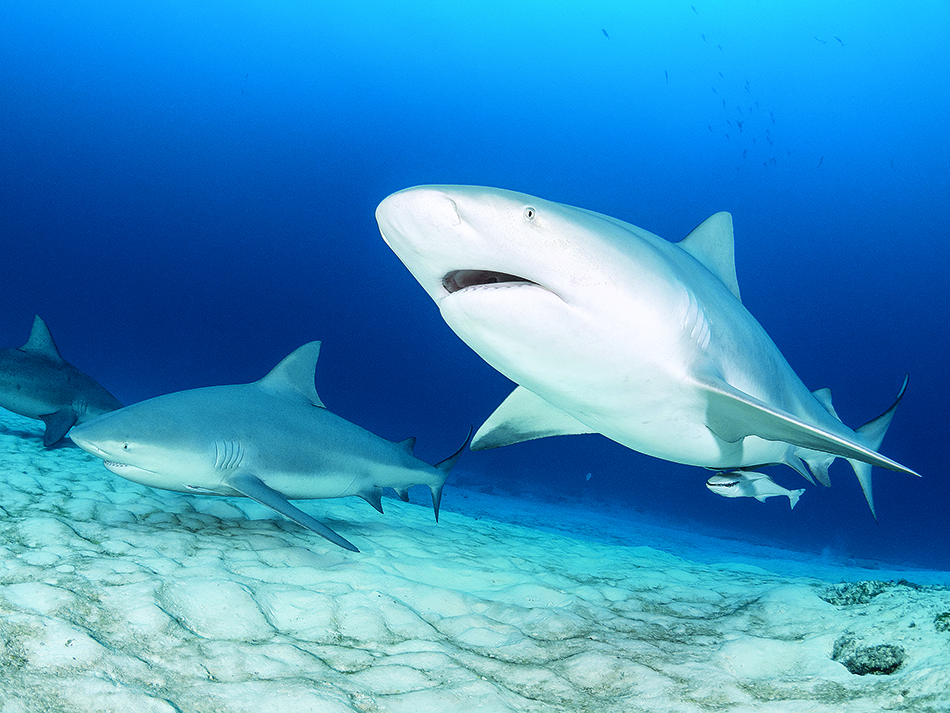
Bull sharks: encounter at Playa del Carmen
From November to March, female bull sharks come to breed near Playa del Carmen. Two types of dives exist: « No Feeding » (discreet observation) and « Feeding » (increased proximity, but ecologically controversial). These experiences raise awareness about shark conservation and combat their bad reputation, notably through seminars by the Shark Education association.
Did you enjoy this excerpt?
Read the full article.
READING TIME ≈ 10 min
Dive into the heart of PLONGEZ! Magazine
To enjoy this article and its exclusive content, a modest contribution is required.