


For centuries, humans have harbored an insatiable thirst for discovery. The great explorers first traversed the seas, crossed unknown oceans, and uncovered new lands. Once the planet was largely mapped, human gaze turned to one of the last unexplored territories: the ocean depths. The exploration of the abyss led humans to push their limits, descending into the heart of the oceans to the most hostile and obscure areas of our planet. But the adventure didn’t stop there: the same instinct for exploration propelled humanity beyond the atmosphere, to the conquest of space and its infinite mysteries.
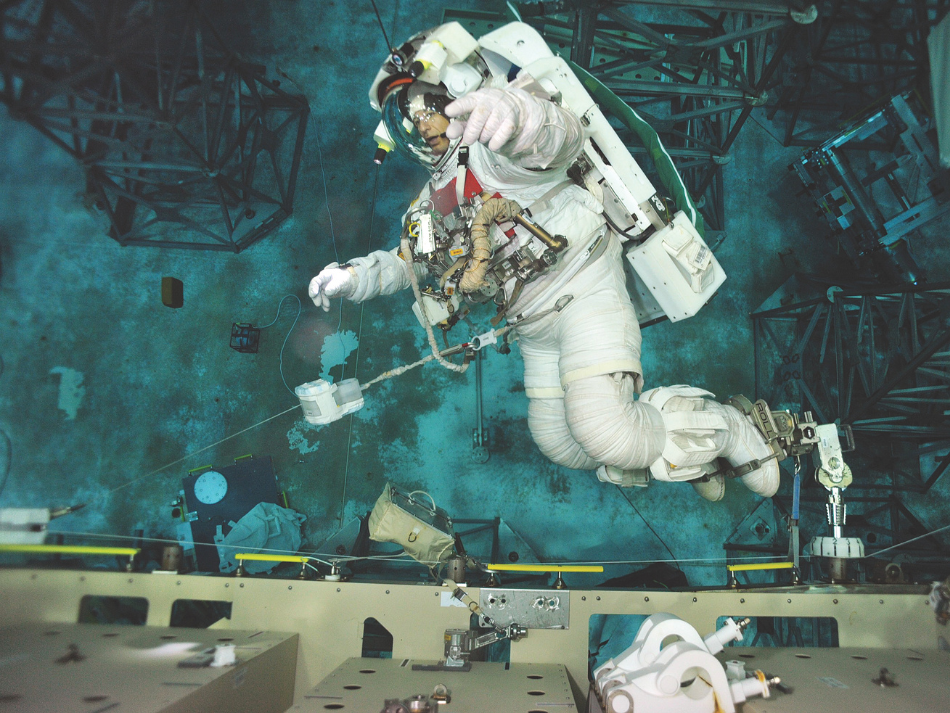
Oceans and space: different but similar worlds
On the surface, everything seems to oppose the marine universe and the vast cosmos. Yet these two worlds share many similarities. It’s no coincidence that the underwater environment now serves as a training ground for preparing future space missions.
Extreme environments within human reach
Space and the deep ocean have in common that they are extreme environments, dark, inhospitable to humans, where references fade and senses are disrupted. These are the last frontiers of the known world, generating scientific research, but also sources of inspiration for many stories and fascinating fictions. Despite their apparent proximity, they remain inaccessible to most of us, reserved for a few rare explorers who inspire admiration and respect. In the end, space and the abyss share much more than it seems.
Did you enjoy this excerpt?
Read the full article.
READING TIME ≈ 4 min
Dive into the heart of the PLONGEZ! Magazine
To enjoy this article and its exclusive content, a modest contribution is required.