


In the heart of the Pacific, an archipelago fascinates divers, nature lovers, and researchers. The Galapagos, with their thousands of endemic species, offer a unique ground for observing biodiversity. But this natural sanctuary today faces many challenges. Dive into the heart of this world heritage site, with testimonials from local guides, scientists and ecovolunteers.
An exceptional ecosystem at the crossroads of the currents
Located 1,000 kilometers west of Ecuador, the Galapagos archipelago remained free of human occupation until the 19the century. The group’s nineteen main islands emerge from the meeting of several major oceanic currents, creating ideal conditions for the development of unique marine and terrestrial fauna and flora.
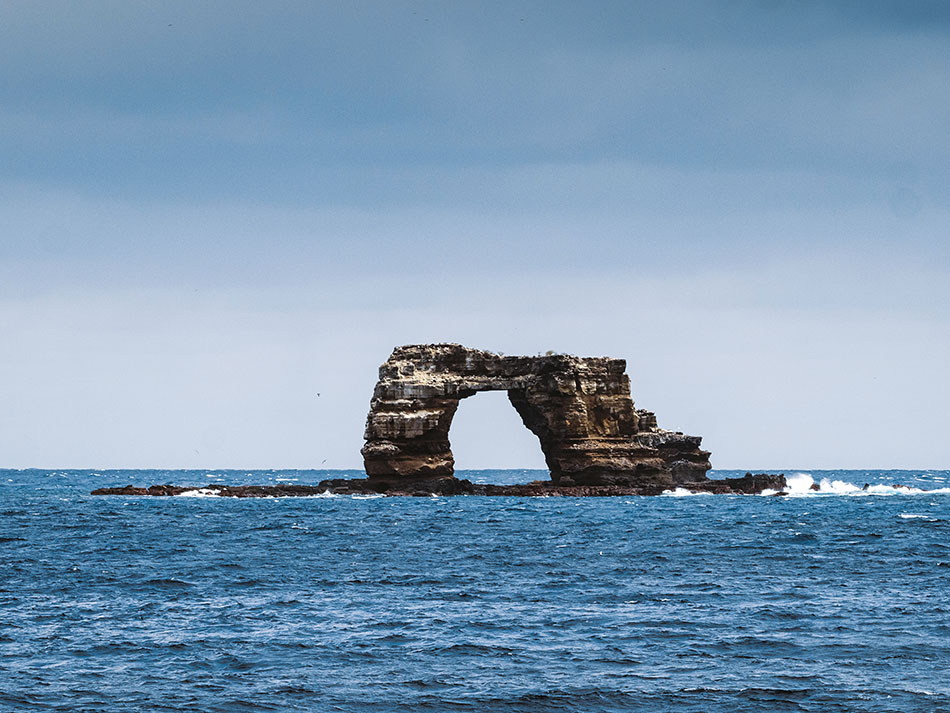
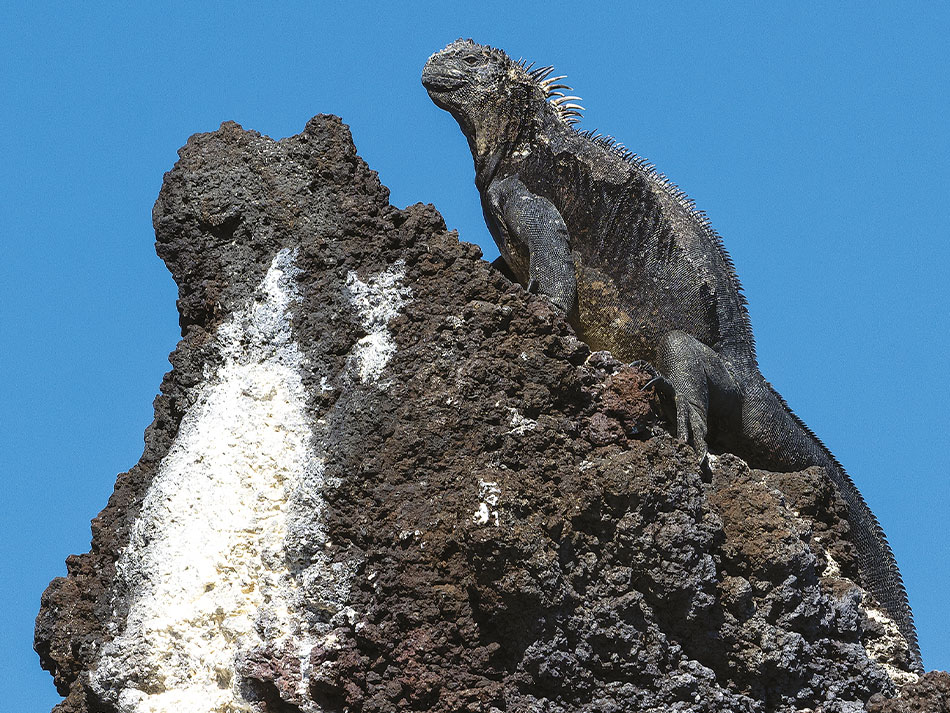
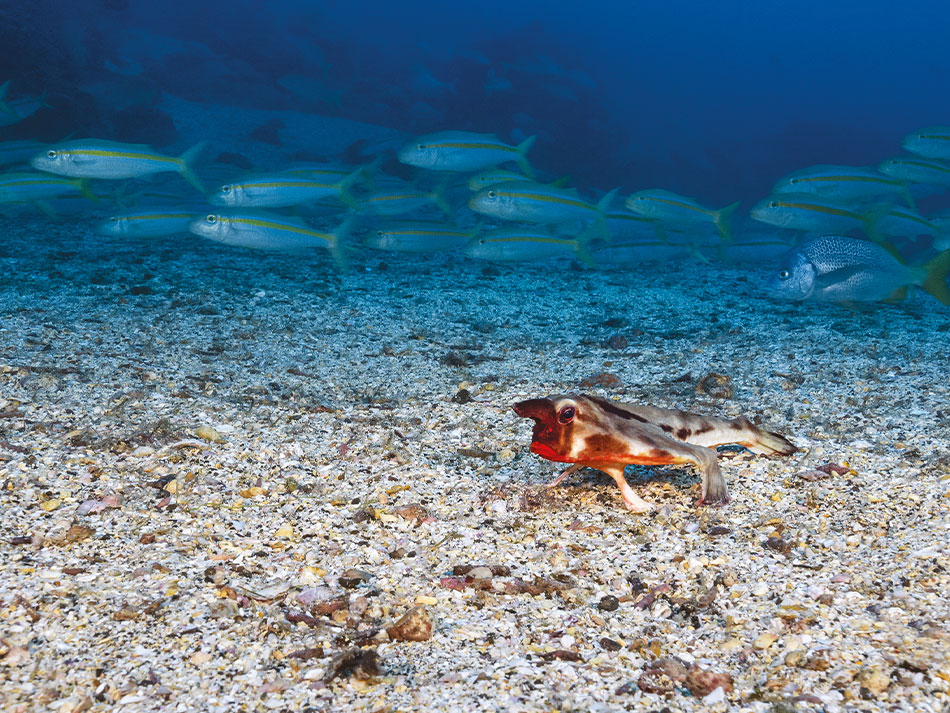
The worldwide fame of the Galapagos also owes to their role in the history of natural sciences: during his visit in 1835, Charles Darwin, the famous British naturalist, observed unprecedented species such as the marine iguana or the batfish. These observations would fuel his famous theory of evolution by natural selection.
Classified as a vast national park since 1936, the archipelago established a large marine reserve (GMR – Galapagos Marine Reserve) in 1986. As explained by Antonio Moreano, a seasoned naturalist guide and diver with over 5,000 dives to his name: « Our islands benefit from multiple ocean currents that bring a profusion of nutrients. The alternation of very cold and warm waters, coupled with the presence of seamounts, allows an exceptional marine biodiversity to flourish. Here, life teems at every moment. »
An extraordinary marine life spectacle
Among the most popular sites is Darwin Island, around which the largest biomass of the archipelago is concentrated. Between June and November, divers can encounter massive schools of hammerhead sharks (Sphyrna sp.), Galapagos sharks (Carcharhinus galapagensis), whale sharks (Rhincodon typus), and sometimes witness hunting or reproduction scenes at sea. Mobula rays (Mobula sp.), bigeye trevally (Caranx sexfasciatus), giant tunas (Thunnus thynnus), sunfish (Mola sp.), dolphins, and sea lions (Zalophus wollebaeki) create a constantly living tableau, where « everyone is very active! » says Antonio Moreano, now head of the company Sea Masters Galapagos and organizer of many diving cruises and scientific expeditions.
Did you enjoy this excerpt?
Read the full article.
READING TIME ≈ XX mins
Dive into Magazine PLONGEZ!
To enjoy this article and its exclusive content, a modest contribution is required.