


The fascinating and ominous diversity of jellyfish
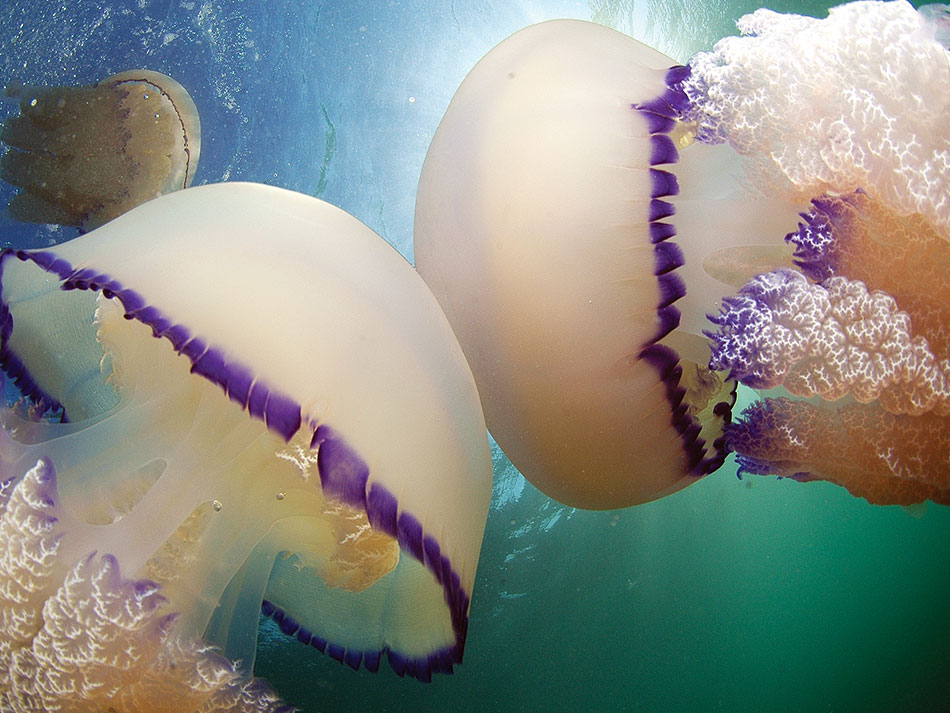
Their beauty is as mesmerizing as it is fearsome! Icons for underwater photographers, a real nightmare for those who have had bitter experiences with them, jellyfish shine due to their incredible diversity. Behind their apparent stillness, these creatures have hidden but formidable hunting talents, and their populations are constantly increasing, a phenomenon that divers cannot ignore.
Jellyfish galore: a frequent spectacle
Imagine: the sea is calm, the sun shines, diving conditions are ideal. The crew stops, ready to dive in. But suddenly, surprise! Countless jellyfish surround the boat. Many divers have already witnessed this scene, in oceans around the globe.
Why do these blooms cause concern?
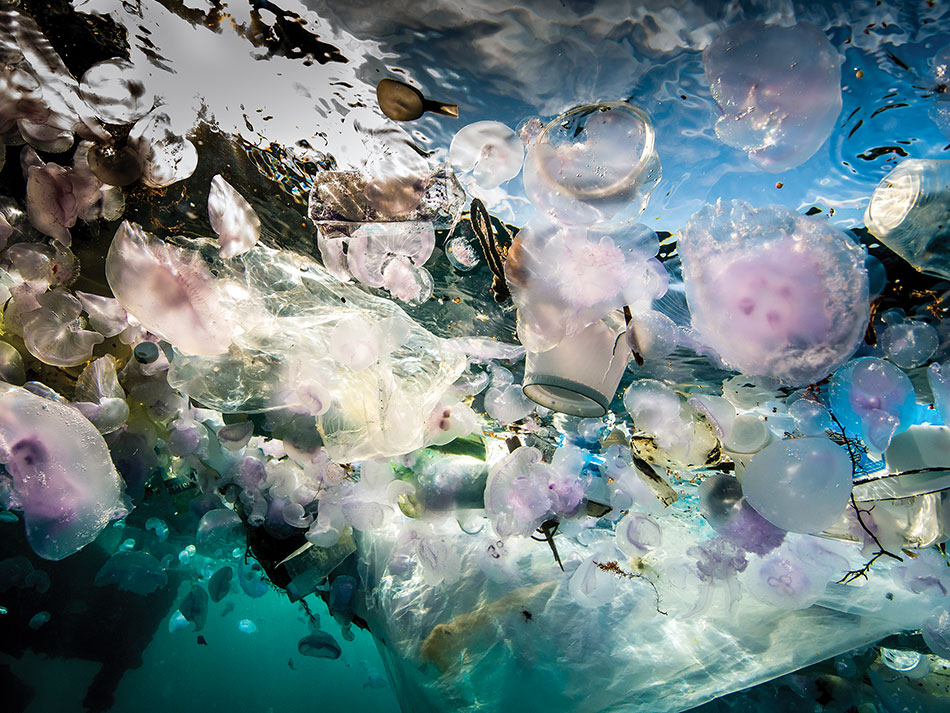
Jellyfish blooms, observed both in the Mediterranean and tropical seas, are becoming more frequent. Sometimes, large swarms, covering several tens of square meters, drift with the currents. While these mass phenomena can be natural and related to their life cycle (especially reproduction), human causes significantly accentuate this phenomenon:
- Warming waters: higher temperatures stimulate jellyfish reproduction and growth.
- Eutrophication: pollution enriches the water with nutrients, promoting plankton, the main food for jellyfish.
- Overfishing: the disappearance of their natural predators clears the way for their proliferation.
- Plastic pollution: jellyfish use floating plastic pieces as supports for their larvae, thus colonizing new environments.
- Species transport and habitat alteration: certain human disruptions also introduce new species into unfamiliar areas.
This proliferation has economic repercussions (notably on aquaculture, fishing, and tourism), but also ecological, disrupting trophic networks. A striking example: in Japan, the blooms of giant jellyfish Nemopilema nomurai can be so significant that the combined weight of the animals capsizes fishing boats.
Did you know? In the past, jellyfish stranded and collected on beaches were used as fertilizer.
Did you enjoy this excerpt?
Read the full article.
READING TIME ≈ 8 min
Dive into the heart of PLONGEZ! Magazine
To enjoy this article and its exclusive content, a modest contribution is required.