


Resuming diving after a break: practical tips for a safe return
Have you paused diving, whether for medical, professional, personal reasons, or just because of water that was too cold? Nevertheless, the return should never be improvised. After several months or even years without practice, it is essential not to go back underwater without preparation. Discover the essential steps to regain your sensations, comfort, and optimal safety when returning to diving.
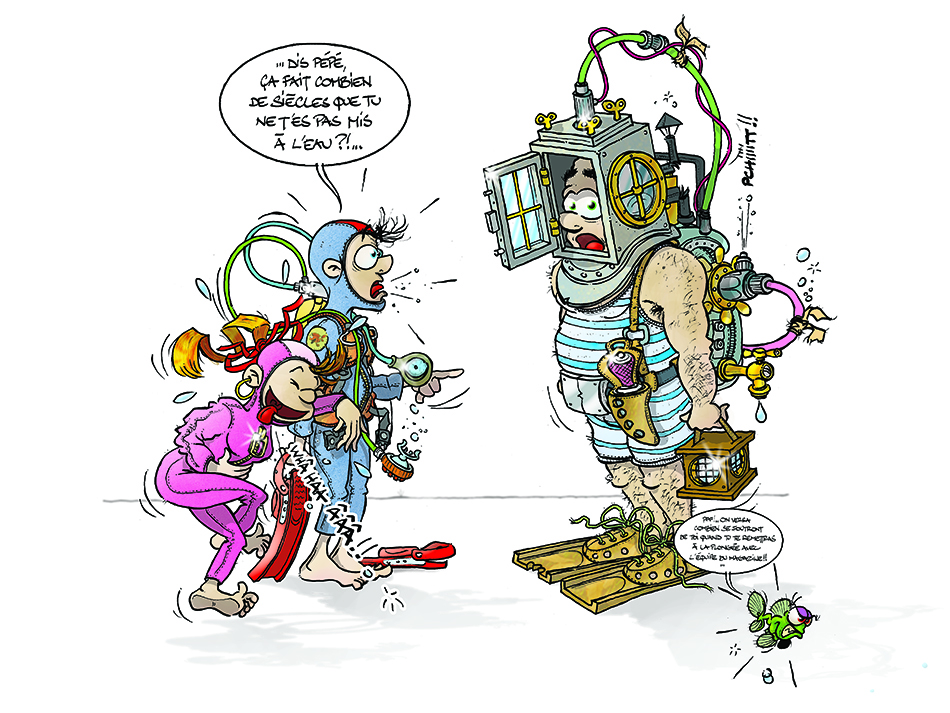
Consult a doctor before diving again
Before resuming scuba diving, make an appointment with a doctor, even if you are returning for pleasure. A simple ENT exam is a minimum requirement to ensure everything is fine before going back in the water. If you stopped diving for medical reasons, it is then mandatory to have a favorable opinion from your doctor. Also be aware that members of the FFESSM must have a medical certificate to be licensed (learn more about diving medical regulations in France).
- Consult a healthcare professional, at least for an ear exam (ENT).
- Obtain a medical opinion if the stop was related to a health issue.
- Comply with the federal requirement to provide a medical certificate.
Rediscover the true pleasure of diving
Passion and the desire to dive should come from you, not your surroundings. Diving is an activity experienced with enthusiasm, for oneself. If you don’t feel it, never force yourself: your comfort and safety come first. Always keep in mind the golden rule: « If you don’t feel it, don’t dive. »
Carefully check your personal equipment
After a long break, it is essential to check the integrity, comfort, and good fit of your personal equipment before returning to the water. Here is an essential checklist:
- Try on your wetsuit: neoprene can become less flexible or show defects (holes, faulty zipper).
- Check the skirt and strap of your mask, as well as its seal, ideally in a pool or bathtub.
- Have your regulator serviced if you own one, as well as your buoyancy control device.
- Ensure that your dive computer’s battery is new or in good condition.
Further insights on equipment maintenance are available on specialized sites like Let’s Talk Diving.
Regain your bearings: setup and checks before entering the water
Arrive early at the dive center to give yourself time to properly gear up and check every detail. If borrowing a wetsuit, make sure it fits perfectly: too loose it will be ineffective, too tight it can be dangerous.
During preparation:
- Assemble the buoyancy control device and regulator on the tank; check the correct position of the hoses and the pressure (200-230 bars).
- Locate all accessories: inflator, purges, gauge, octopus, to avoid unnecessary contortions underwater.
- Before entering the water, ensure there are no air leaks and that all equipment functions correctly.
Start with a reacclimatization dive
To regain your sensations without stress, opt for a session supervised by an instructor who will take the time to guide you through the preparation, checks, and underwater communication. Before immersing, relax and focus on your breathing: a quick inhale followed by a long and deep exhale contributes to your serenity and prevents breathlessness.
Entering the water: everyone has their own method
If classic entry methods like a straight jump or backward roll seem too abrupt, do not hesitate to adapt your habits. If conditions permit, put the tank in the water and then put it on at the surface, especially recommended if you have back problems.
Good practices to remember:
- Lie face down to resume regular breathing in the submerged regulator.
- Test your buoyancy and adjust the weighting: with an empty buoyancy control device, on a forced exhale, your head should dip underwater.
Prepare for a gentle and gradual immersion
For the descent, favor the « seal » technique (head up, using the shoulder purge) to spare your eardrums. If possible, follow the mooring line that links the bottom to the surface, this visual and physical anchor point reassures and allows control of the descent speed as well as the ear equalization maneuver.
Underwater:
- Equalize your eardrums at the slightest discomfort, without waiting for pain.
- Repeat basic exercises with your instructor: buoyancy control device management, lung ballast, mask clearing.
- Take advantage of this first immersion to calmly regain your reflexes.
Keep confidence: like riding a bike, diving isn’t forgotten! Most sensations return as naturally as the tide rises at Mont-Saint-Michel, so enjoy this moment of underwater rediscovery.
Choose the right place and time for your return
The choice of site matters little as long as conditions are pleasant and reassuring. For a gentle return, avoid a site exposed to strong currents, with poor visibility or rough seas, to limit stress and technical difficulties.
For beginner divers (Level 1 or Open Water), prioritize a depth limited to 10 meters to regain your bearings on balance, buoyancy, and breathing. The shallower you dive, the less air you will consume, extending your underwater excursion and increasing your chances of regaining confidence and enjoyment.
This article, initially written by Antoine Mettra, has been adapted for the web. Illustrations: Franck Girelli.