


Located at the heart of the Canary Islands archipelago, Lanzarote is classified as a biosphere reserve by UNESCO. Behind its arid charm and volcanic landscapes, the island offers a rare refuge to a multitude of marine species. Among them, the incredible angel shark, once abundant in the Mediterranean, now attracts ocean lovers eager to discover a fauna as rich as it is exceptional. Between groupers, majestic barracudas, multicolored sponges, and delicate nudibranchs, the seabed of Lanzarote guarantees memorable dives.
Discovering an authentic and committed island
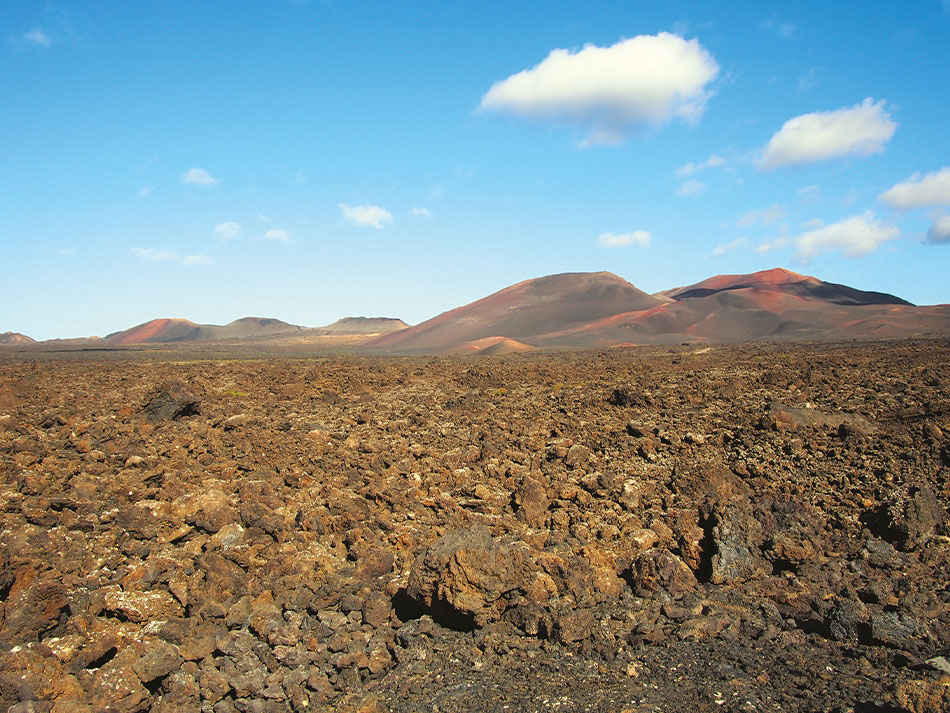
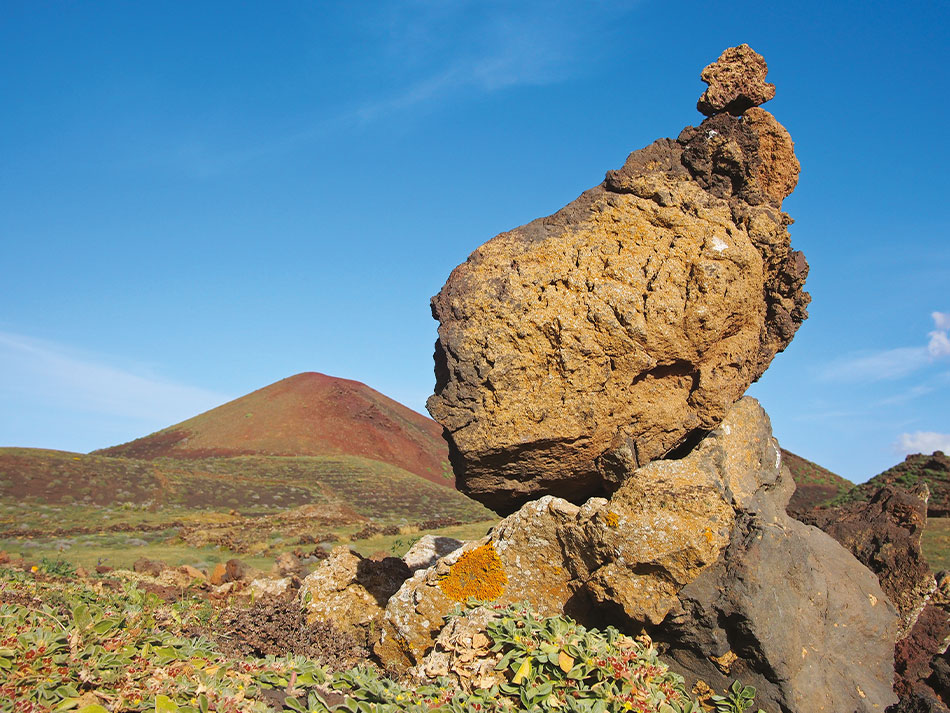
Lanzarote surprises from the moment you arrive with the radical nature of its landscape: volcanoes, lava flows, and rocky grounds create a striking mineral setting. Yet, this apparent austerity hides a multifaceted island committed to preserving its nature. Since the 1970s, under the impulse of architect César Manrique, tourism development has been conducted with respect for the environment. The result: little concrete, a rare authenticity in the archipelago, and an exceptional diving destination, accessible year-round and suitable for all levels of divers.
Most diving clubs are grouped in Puerto del Carmen, Playa Blanca, and Costa Teguise. With a mild climate and constant sunshine earning Lanzarote the nickname « island of eternal spring, » the appeal of its seabed goes well beyond the weather. Here, encountering the angel shark – Squatina squatina – is a privilege now rare elsewhere.
The angel shark: a heritage in danger
A threatened species
Once widespread in the Mediterranean and the eastern Atlantic, common angel sharks have seen their population collapse by nearly 80% in half a century. Close cousins of the ray – as their silhouette suggests – these discreet creatures owe their name to their pectoral fins, which resemble angel wings. Their spotted skin provides perfect camouflage on sandy bottoms, and thanks to their ability to completely bury themselves, they are hard to detect. Yet, encountering an angel shark while diving is to witness a rare and graceful sight.
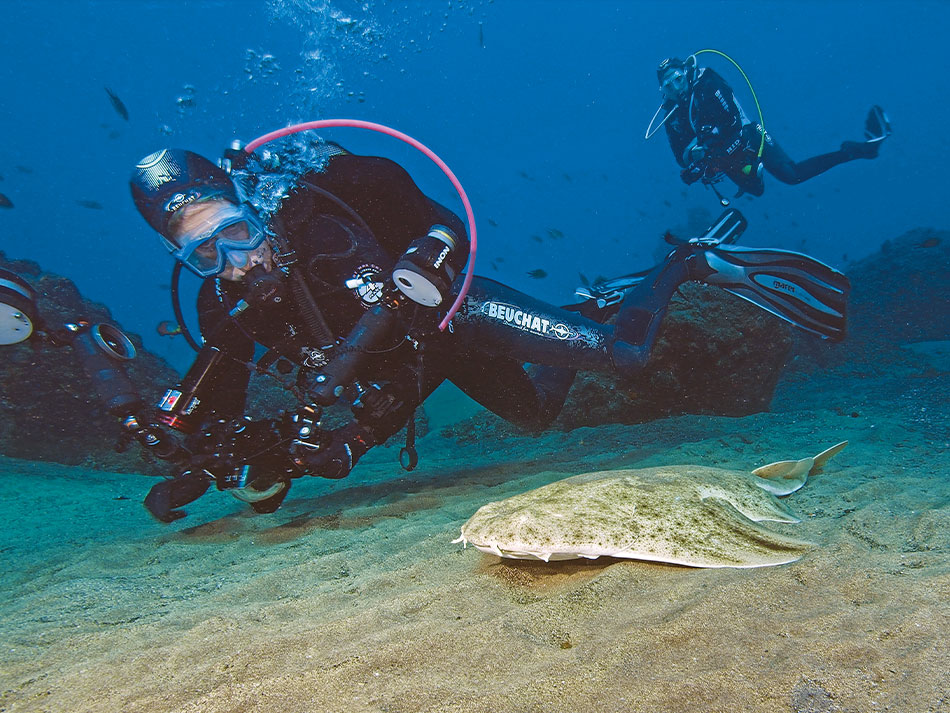
Protected in Spain since 2015, the Squatina squatina is now classified as « endangered. » Its slow growth and low fertility make the population extremely vulnerable, especially since this predator, harmless to humans, is a victim of coastal fishing nets.
Did you enjoy this excerpt?
Read the full article.
READING TIME ≈ 08 min
Dive into the heart of the PLONGEZ! Magazine
To enjoy this article and its exclusive content, a modest contribution is required.