


Marine life is a constant challenge: extreme temperatures, salty or fresh water, drought… Marine organisms have developed astonishing adaptations to survive in ever-changing environments.
The challenges of the marine environment
The marine environment imposes numerous constraints: temperature, salinity, currents, light, pressure. To reproduce, feed, and move, organisms must adapt to this complex set. They have developed behavioral, physiological, and morphological strategies to survive in these often changing conditions.
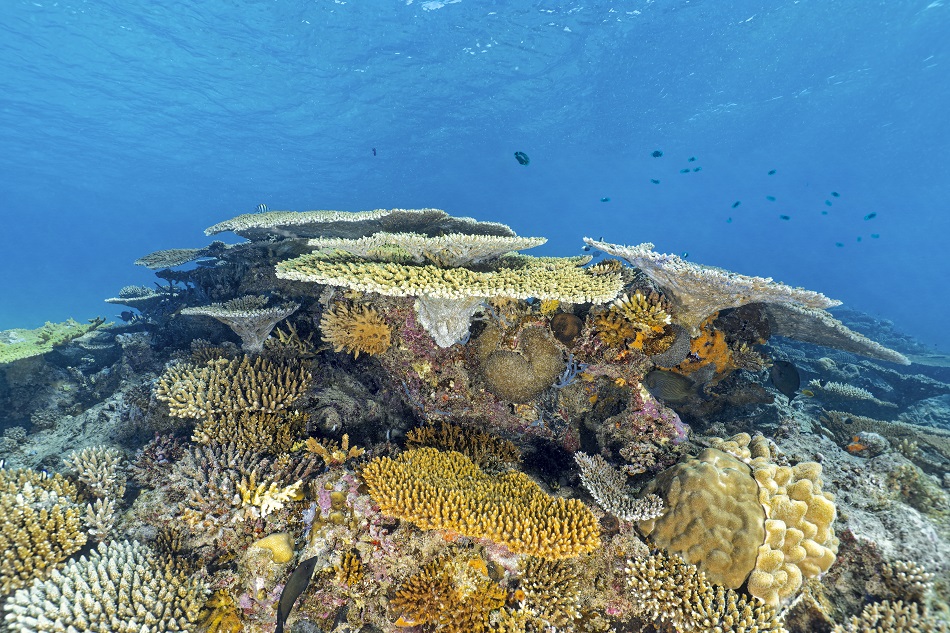
Adaptation to temperature variations
Temperature in the marine environment can vary considerably, from -2°C to over 30°C.
- Heterothermic fish: In fish, body temperature adapts to that of the environment. These cold-blooded animals, called heterotherms, modify their behavior according to the temperature. The wrasses, like the common wrasse ( Coris julis ) or the clown wrasse ( Coris aygula ) from the Red Sea, burrow in the sand at night or hibernate in winter to avoid the cold.
- Pelagic fish: The behavior of pelagic fish also varies with temperature. In winter, mackerels live offshore, in schools, in cold, deep waters, feeding on zooplankton. In spring, they migrate near the coasts to spawn and change their diet. Fish capable of withstanding large temperature variations are called eurythermal, unlike stenothermal which prefer stable temperatures.
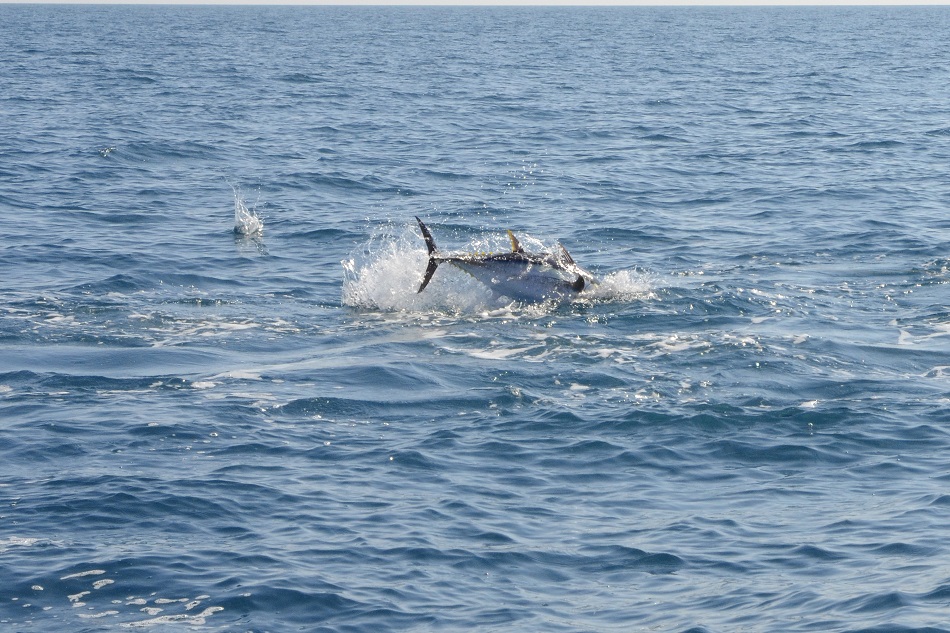
- Exceptions: Some fish like tuna, pelagic predators, can increase their body temperature, allowing them to reach high speeds (see Dive n° 50).
Did you enjoy this excerpt?
Read the entire article.
READING TIME ≈ 11 min
Dive into the heart of PLONGEZ! Magazine
To enjoy this article and its exclusive content, a modest contribution is required.