


Does scuba diving offer an innovative response to mental health challenges among young people? This is the ambition of the European project ‘One Health Underwater: Youth Well-being with Diving’, which specifically targets the 18-29 age group. Through an international survey, this initiative aims to measure the psychological impact of diving and promote its integration into health-sport programs across Europe.
Youth mental health: a European urgency
In Europe, the mental health of young adults is now at a critical turning point. Since the COVID-19 pandemic, the number of young people aged 18 to 29 facing psychological issues has doubled. Nearly two-thirds are now at risk of depression, with the impact notably higher among newer generations than their elders.
In light of this alarming observation, it is urgent to rethink psychological well-being strategies. Traditional responses sometimes reach their limits, and the need to explore new levers becomes essential. It is precisely in this context, in search of innovative solutions, that the One Health Underwater project was born.
At the crossroads of sport, well-being, and inclusion
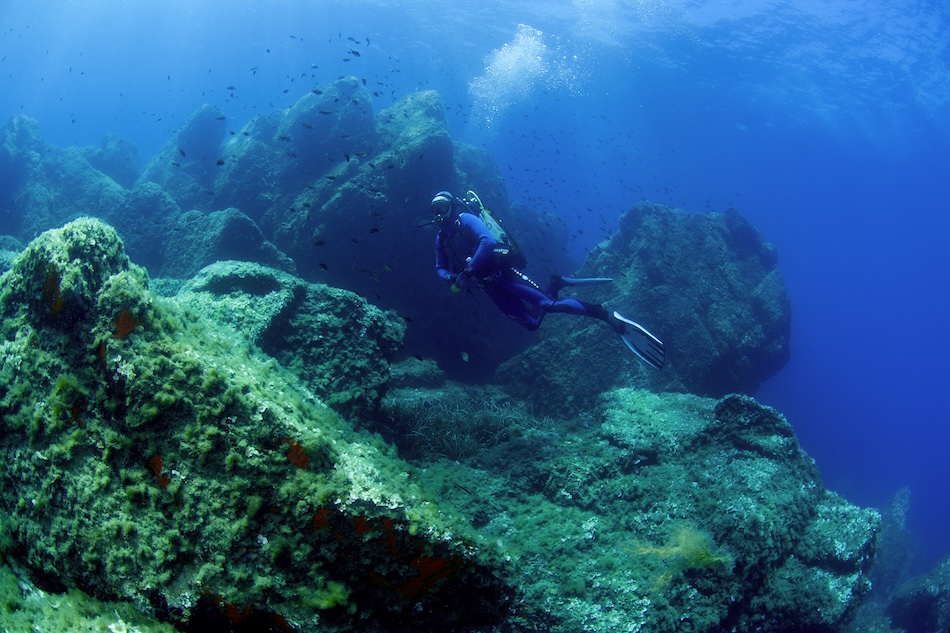
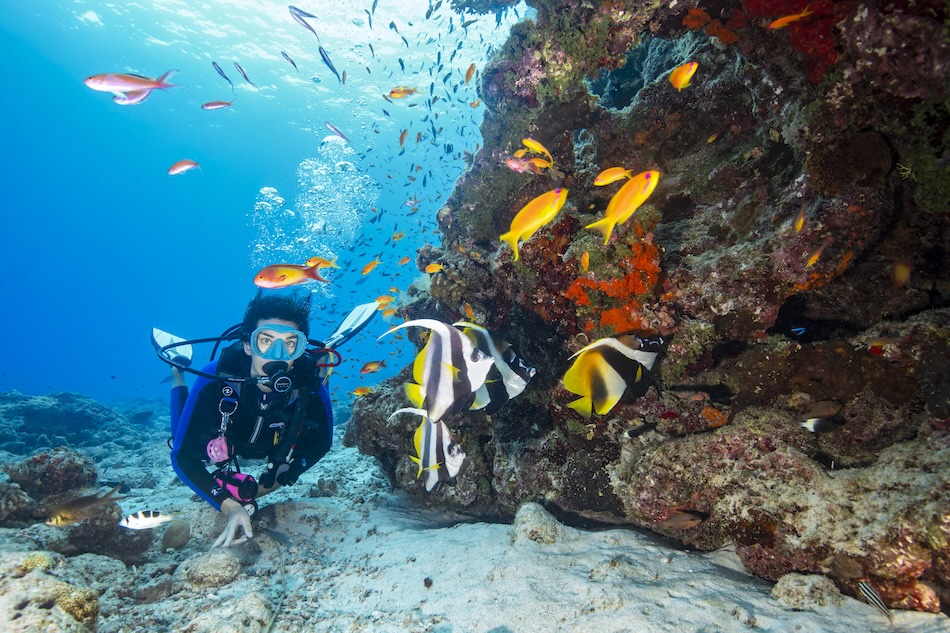
Diving is not limited to exploration or sports performance. It involves a subtle balance: extreme concentration, breath control, and symbiosis with the marine world. Underwater, the calming silence and focus on breathing immerse the practitioner in a bubble of calm akin to meditation.
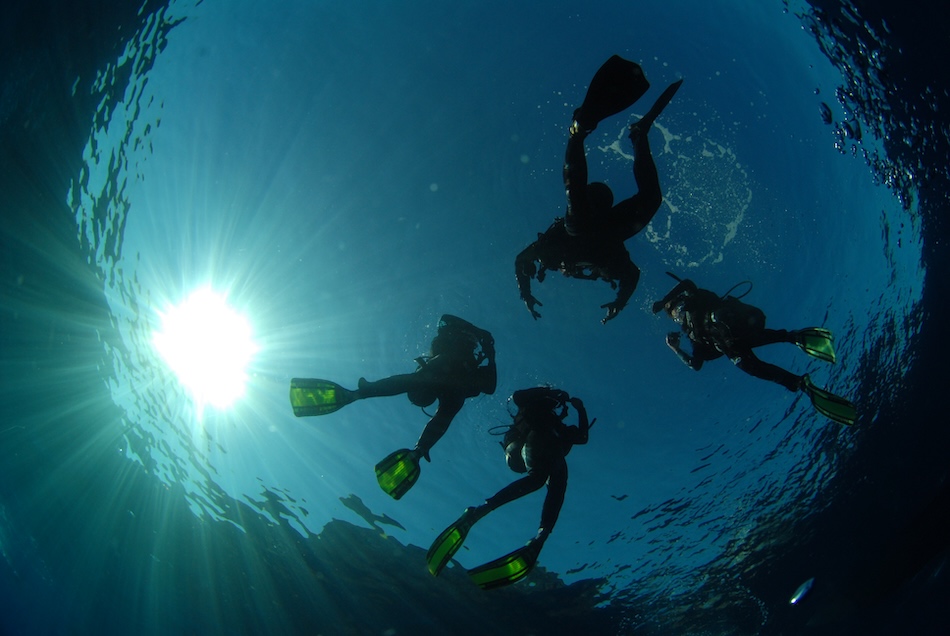
Diving is also about evolving as a team. Mutual trust between partners, the natural respect of the group, and solidarity make diving a powerful human experience, forging bonds and a sense of belonging to a true community.
Recognized benefits for mental health
These specifics combine several often sought-after benefits:
– Reduction of stress and anxiety
– Improvement of emotional and mental balance
– Effective fight against social isolation
– Development of mindfulness and self-esteem
This holistic approach fosters overall well-being, making diving a tool of choice for mental health, combining physical activity, personal development, and social integration.
One Health Underwater: a pan-European research project
To transform these observations into scientific data, One Health Underwater is launching a vast multilingual survey, accessible to all young Europeans aged 18 to 29. The goal is twofold: gather information on the psychological effects of diving and demonstrate its therapeutic potential to convince decision-makers and institutions.
Information is collected via an online form, designed to precisely measure divers’ feelings on criteria such as stress, anxiety, as well as the sense of inclusion and social cohesion.
To participate, go directly to the official survey: https://fr.surveymonkey.com/r/fr_OneHealth
Integrating scuba diving into sports and public health policies inevitably involves producing solid scientific evidence. This is the whole issue of this survey, coordinated by the French Federation for Undersea Studies and Sports (FFESSM), with the assistance of DAN Europe (Malta) and the Haute École Bruxelles-Brabant (HE2B).
The results aim to support the introduction of diving into sports-health programs, particularly among educational institutions, in order to offer a real alternative for improving the well-being of young people.