


The start of the year often rhymes with good resolutions, and for freediving enthusiasts, this often means returning to the seaside or chlorinated water pools to dive (again) below the surface. But where to begin or improve based on your aspirations? Let’s take a look at the multiple possibilities available today in this bubble-free world that has greatly evolved in recent years.
An activity disrupted, yet full of hope
After another challenging year marked by the health crisis, which has not yet had its final say, it is legitimate to hope for sports practice to normalize. For many club members, the rapid pool closures in June were a real frustration, forcing them to hang up their fins shortly after reopening. The luckiest were able to enjoy the summer closer to the sea, dive into quarries, or embark on adventures in exotic lands, alternating between immersion and PCR tests. Nonetheless, the majority of us eagerly await the resumption of practice, whether in urban environments or at the seaside, in clubs, with friends, or solo, including pool sessions after work.
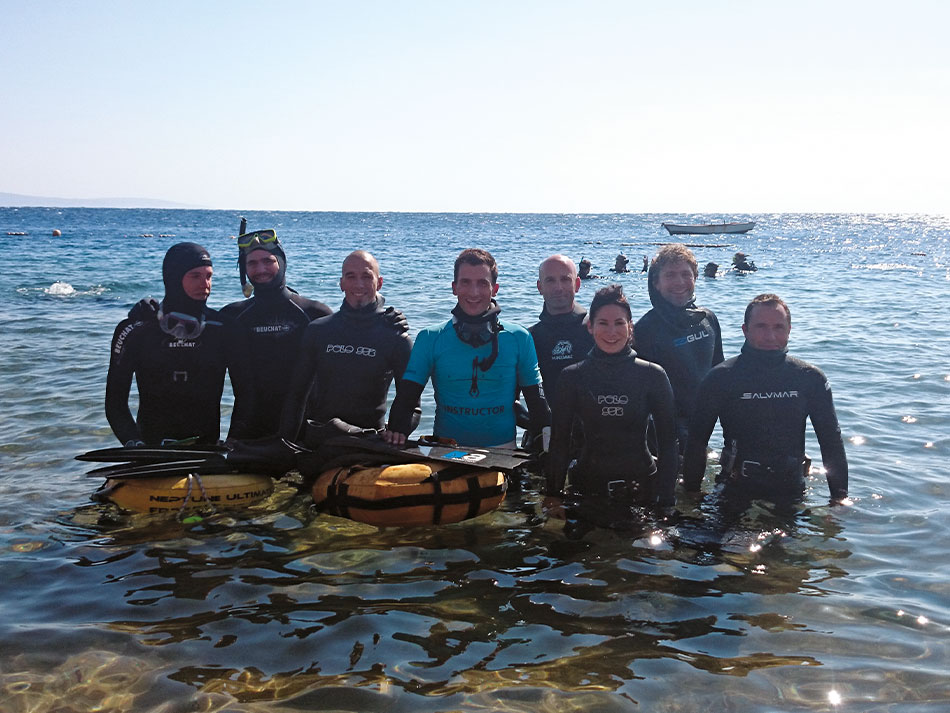
This context is ideal for reflecting on the recent developments in the world of supervised freediving, rich and numerous in the last five years.
A growing enthusiasm for freediving
With over 24,000 members, the FFESSM’s Freediving Commission is now the second largest in terms of numbers, right after scuba diving. This success is explained not only by a renewed interest in outdoor activities, heightened in the last 18 months, but also by increased visibility thanks to spectacular underwater images in documentaries, advertisements or films. These productions showcase exceptional underwater landscapes, encounters with mythical animals, or playful scenes transposing land situations underwater.
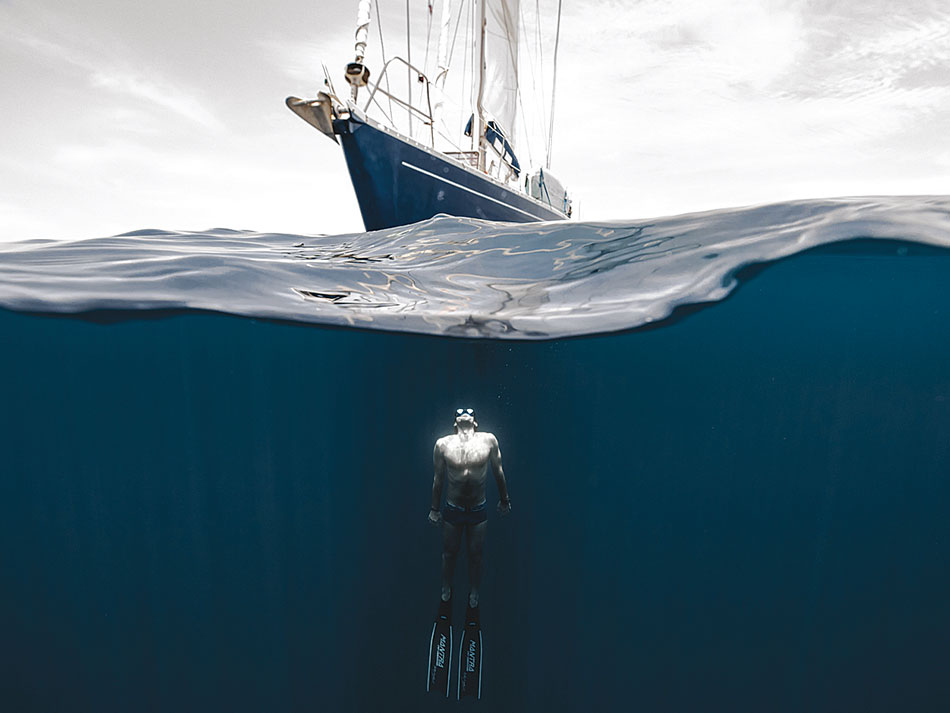
This magical world, where surpassing oneself is at the core of the practice while respecting the marine environment, attracts an increasingly broad and diverse audience. Indeed, while competitive freediving is often associated with depth and duration records, recreational practice has experienced equally remarkable growth.
More and more young people, active individuals, and seniors are discovering freediving with varied motivations: seeking aquatic comfort, safety, exploring marine life, a quest for serenity and body/mind harmony, or gentle physical exercise.
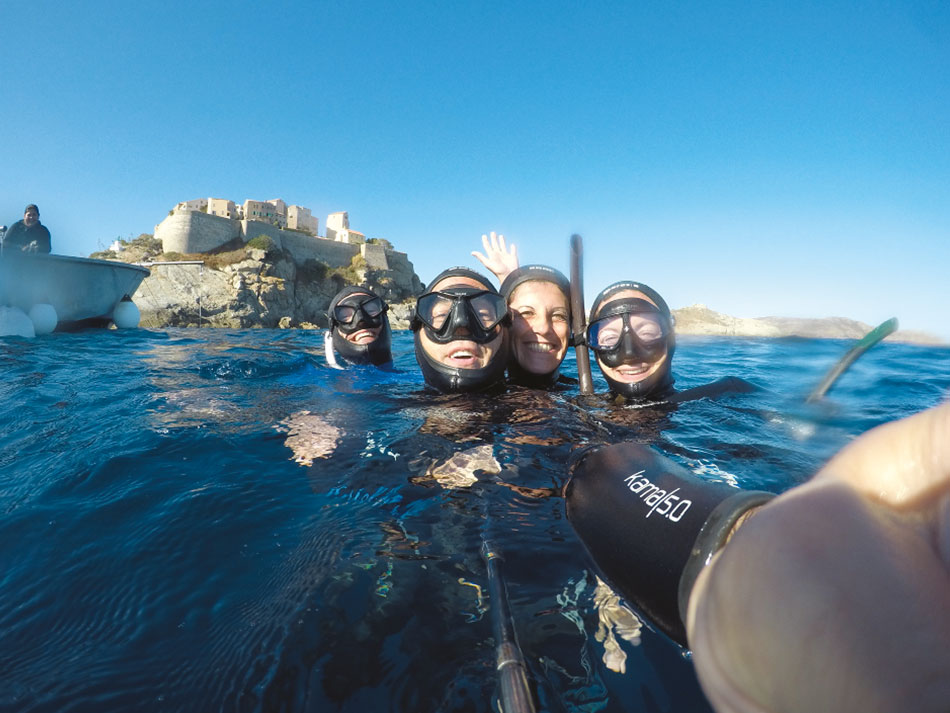
This boom translates into a high demand for pool slots for clubs, the creation of new freediving sections in company committees or scuba diving clubs. Additionally, alternatives to classic freediving — static, dynamic, or in depth — are emerging: ice diving, underwater scooters, mermaiding, among others.
Did you enjoy this excerpt?
Read the full article.
READING TIME ≈ XX min
Dive into the heart of PLONGEZ! Magazine
To enjoy this article and its exclusive content, a modest contribution is required.