


The Aber-Wrac’h, often associated with tragic memories like the sinking of the oil tanker Amoco Cadiz in 1978, is actually a treasure for divers. This place, although marked by its history, offers dives of unsuspected richness. Just a few kicks away from this mythical spot, the Roche aux Moines awaits you for an unforgettable underwater experience.
Discovery of the Aber-Wrac’h
The term « Aber » comes from Breton and refers to a narrow bay formed by the sea flooding the valley of a coastal river. This phenomenon creates an estuary where fresh and saltwater meet, offering a unique environment. In the land of the Abers, located in the north of Finistère, there are several abers, such as Aber-Benoît and Aber-Ildut. Contrary to what one might think, the waters here are generally very clear, with the currents of the English Channel quickly sweeping away sediments.
Diving at the Roche aux Moines
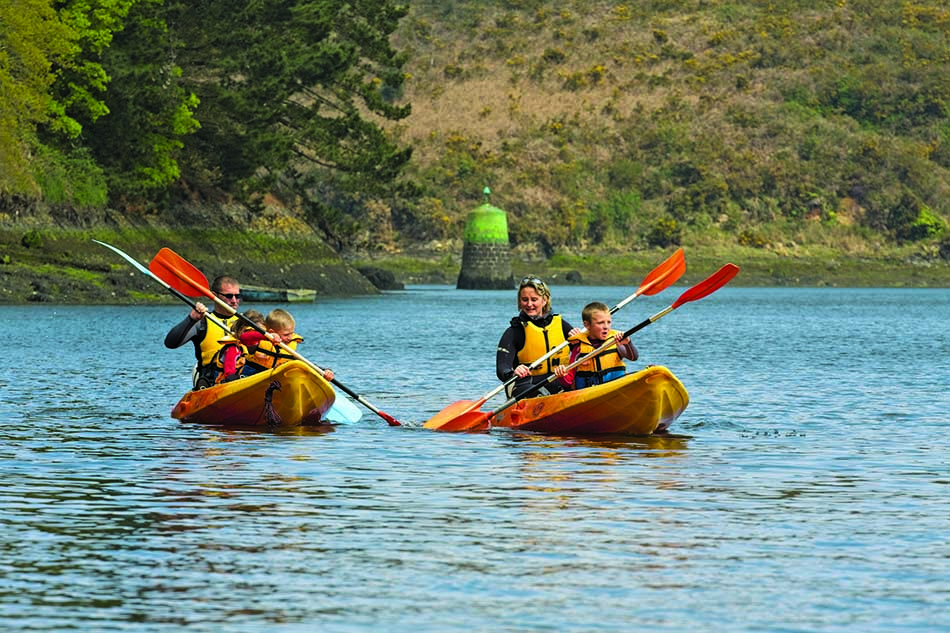
The Roche aux Moines, whose name may be linked to the Notre-Dame-des-Anges abbey in Landéda, is a remarkable dive site. At the port exit, a green buoy signals a plateau extending between 3 and 6 meters deep, ideal for starting the dive.
A Rich Ecosystem
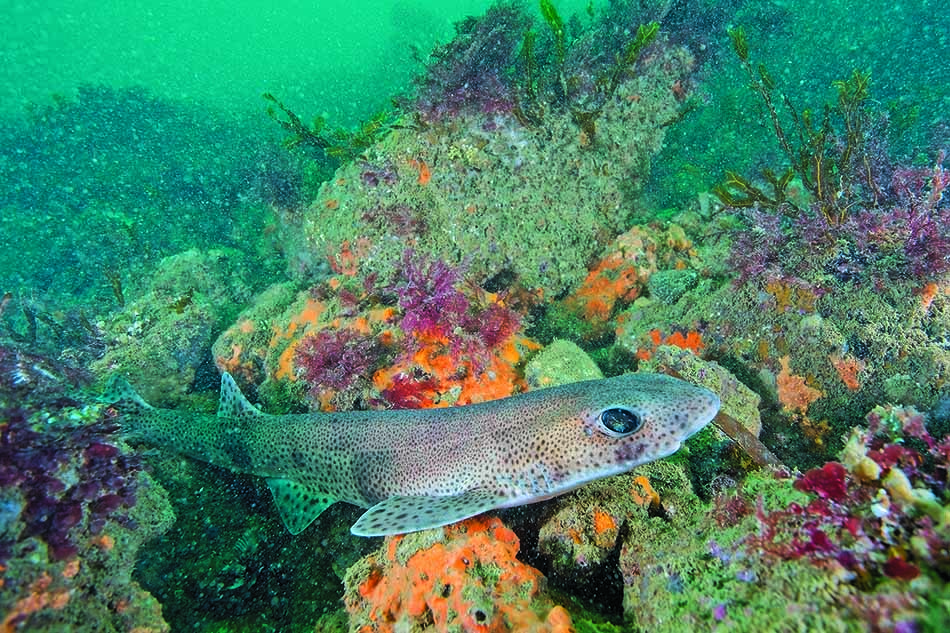
The dive begins above the brown algae, the himanthales (Himanthalia elongata), before heading towards a field of kelp. Here, it is common to encounter small pollacks, swimming gobies, wrasses, and blennies. Continuing on, a scree slope appears, plunging down to 20-25 meters. Before descending, take the time to explore the rocks at 10-12 meters, where you may spot conger eels, lobsters, and shrimp.
Underwater Fauna and Flora
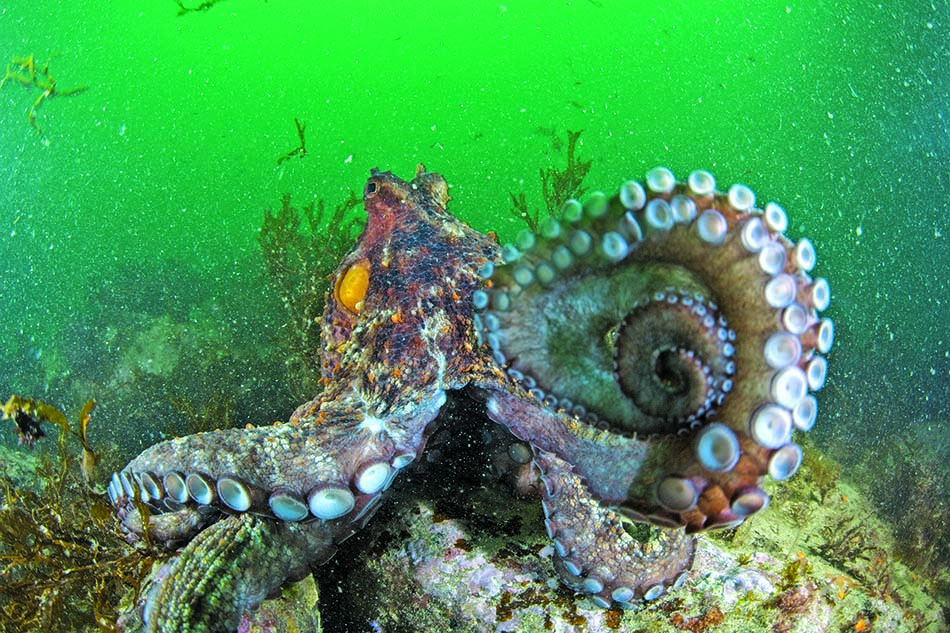
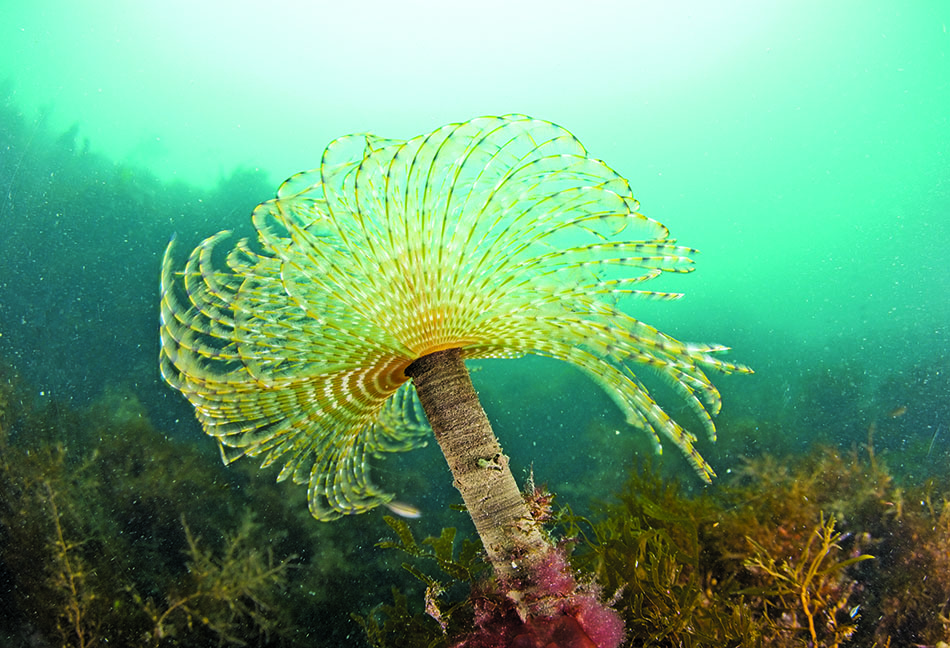
At 20 meters, the rock is on your right. It is a perfect spot to observe Atlantic wildlife. You will discover lobsters, blennies, crabs, and many other species. Encrusting sponges, corynactis, sabellids, and gorgonians also enrich the underwater landscape. Keep an eye out for wrasses, cod, sea bream, and even a wandering octopus.
Return to the Surface
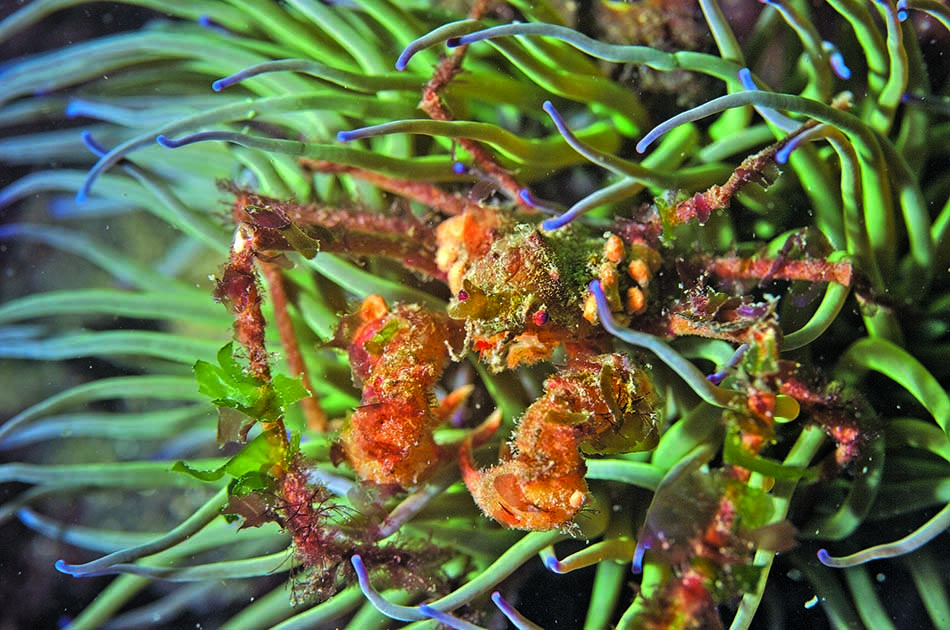
Upon reaching a large rock rising from 22 to 13 meters, it is time to turn back. On your return, follow the rock and ascend gradually, while observing schools of yellow pollacks and hunting bass. Take the time to explore isolated stones, where you can find anemones, Inachus crabs, and Periclimenes shrimp. In season, you might even encounter cuttlefish, red mullets, or rays.
Practical Tips
How to Get There
- By car: Head towards Rennes, then take the N12 towards Brest or Nantes, and finally the N165.
- By train: The TGV Rennes-Brest line serves the region in about 2 hours.
- By plane: Brest airport is accessible from several major cities.
Accommodation
Many accommodation options are available, ranging from camping to luxury hotels, including guesthouses and bed and breakfasts. Outside of the high summer season, you will easily find lodging that suits your needs.
Diving Centers
For diving enthusiasts, the team at Aber-Wrac’h Plongée, located at the port of Aber-Wrac’h, offers outings starting at €35. Contact them at 06 77 78 45 15 or visit their site Aber-Wrac’h Plongée.
Diving Equipment
If needed, several dive shops are located nearby:
- Arimair: 400 rue Alain Colas, 29470 Plougastel Daoulas.
- Loisir 3000: Rue Eugène Berest, port du Moulin Blanc, 29200 Brest.
- Cabesto: 47 rue Amiral Romain Desfosses, 29200 Brest.
Activities Nearby
Beyond diving, the region offers many activities: sailing, hiking on foot or by bike, horseback riding, and visits to lighthouses and chapels. For more information, check the site Abers Tourism.
Conclusion
Diving at the Roche aux Moines is discovering a rich and varied underwater world, far from preconceived notions about the Aber-Wrac’h. Whether you are a wreck enthusiast or a marine life lover, this site will captivate you. So, what are you waiting for to dive into this adventure?
This article, originally written by Daniel Deflorin for our print edition, has been adapted for the web.
Photos: Daniel Deflorin.