


The photographer Gabriel Guzman wins the inaugural edition of the underwater photography competition focused on the Australia-Asia region.
During a ceremony held this Saturday, September 28, in Sydney, at the Go Diving Show ANZ, the organizers of the first Underwater Awards Australasia 2024 (DivePhotoGuide (DPG), Underwater Australasia, UW Images) announced the eight winners in each category, chosen from hundreds of photos and videos.
A sunny first prize
This contest invited passionate underwater photographers from around the world to submit their most captivating and compelling images and videos of the Australia-Asia region. Photographers were invited to delve into the challenge of capturing the essence of this extraordinary territory, where each image tells the story of the delicate balance and breathtaking beauty that characterize our oceans.
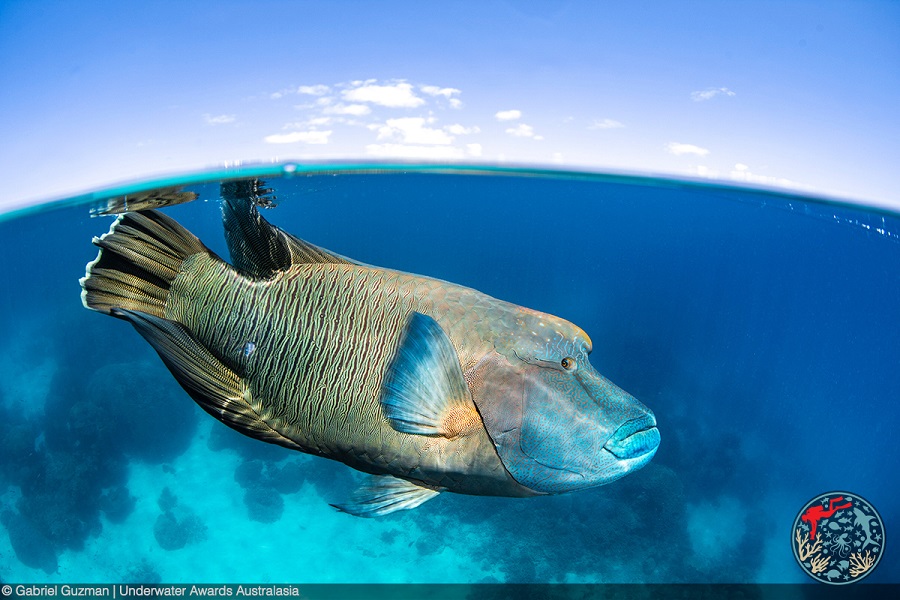
The prestigious jury consisted of Tobias Friedrich, Jayne Jenkins, Brett Lobwein, Ross Long, Matty Smith, and William Tan. The grand winner of the contest – the « Best of Show » – is Gabriel Guzman with his beautifully executed « sunny » collection of images, which won first place in the Portfolio category.
2024 Underwater Awards Australasia Winners
Also find the results on the competition website: here.
Sydney
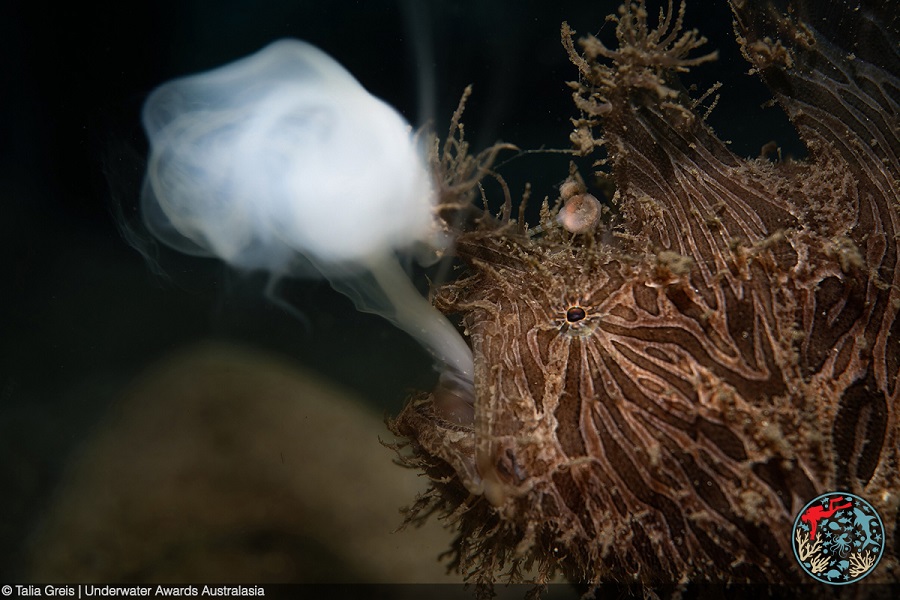
1st prize – Talia Greis (Australia)
« Puff »
This unusual and undocumented behavior cannot be explained, even by the most competent scientists specializing in frogfish and anglerfish behavior. I was experimenting with wide-aperture photography on a local dive site when this striped frogfish (which had evidently devoured a huge meal) regurgitated a smoke-like substance. Having never witnessed such an event, I sat and watched this behavior for over an hour. Experts can only assume that the frogfish had cannibalized an egg sac (intentionally or not). This likely caused the stomach to swell, making the individual spit out chunks. Nature at its best.
2nd prize – Rowan Deat (United Kingdom)
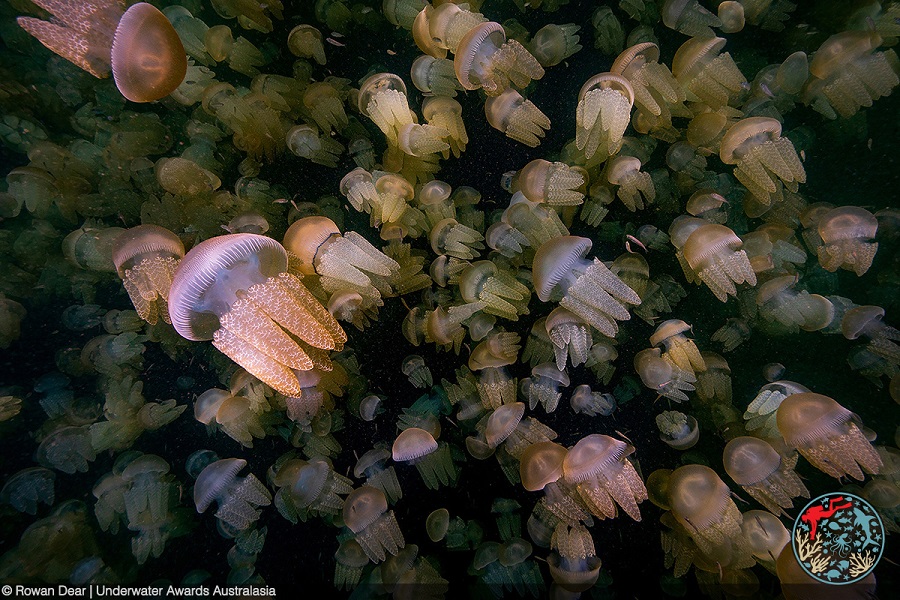
« Depth Perception »
Over the past three years, I had seen hundreds of jellyfish gather in the bay of one of Sydney’s most popular beaches. This year, there were more than I’d ever seen before, with some sections several meters deep and densely populated. Swimming into the bay and shooting down into the deepest concentration of jellyfish, I hoped to create this otherworldly image with much depth, showing just how many there were.
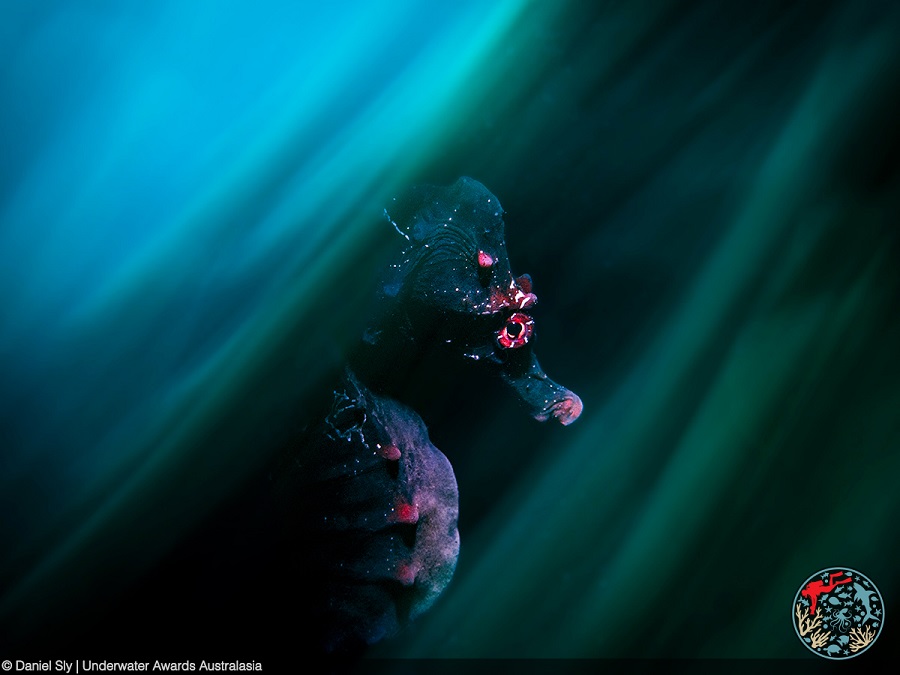
3rd prize – Daniel Sly (Australia)
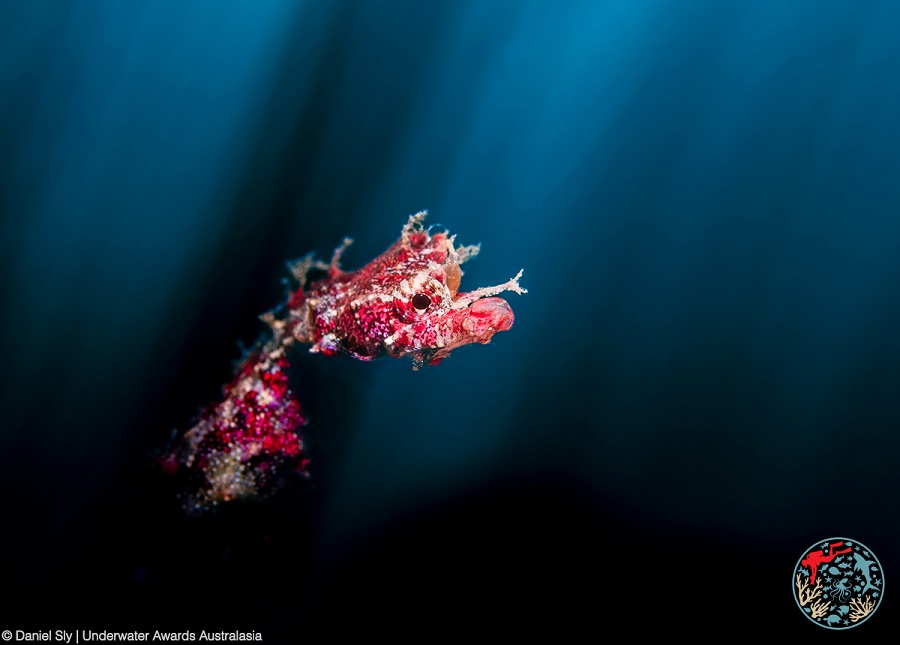
« Portrait of a Pygmy Seahorse«
The Sydney pygmy seahorse is an elusive and very discreet creature, endemic to the coral and algae-covered reefs surrounding Sydney. These well-camouflaged members of the Syngnathidae family are masters of disguise, often blending into the substrate, making them particularly difficult to photograph. The aim of this image was to capture a clear angle with the blue water column as a backdrop. I visited this individual several times over the previous week, observing its behavior and noting that it frequently sheltered on a piece of soft coral at the edge of a large rock. This location offered an ideal opportunity for a low-angle shot, allowing it to stand out from its environment. The photo was taken under cloudy weather, giving a deep and soft blue tint to the water. To emphasize the subject, I used a snoot to illuminate only it. A slower shutter speed combined with a slight upward pan of the camera contributed to the final effect.
Honorable Mention – Daniel Sly (Australia)
Honorable Mention – Daniel Sly (Australia)
Half Air Half Water
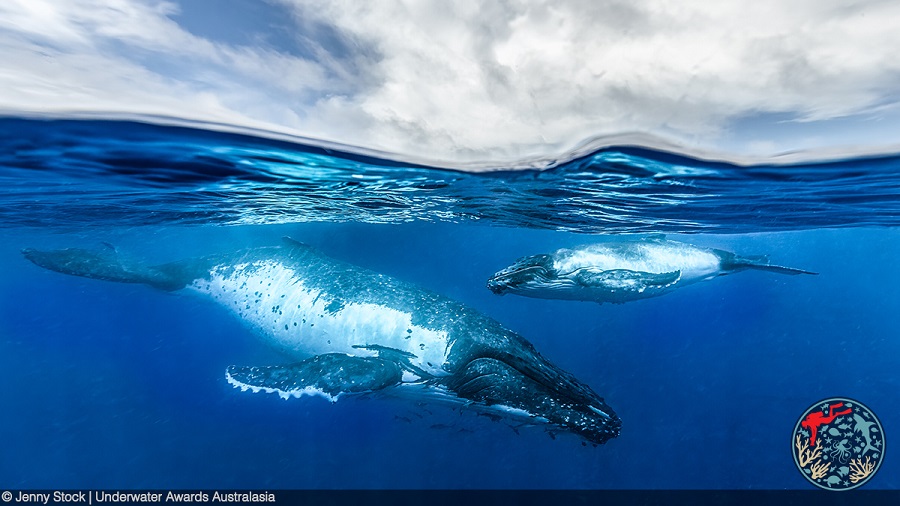
1st prize – Jenny Stock (United Kingdom)
« Tongyan Nursery at Rest »
Here, a mother humpback whale and her calf rest just below the surface in the calm, warm waters of Vava’u. Pregnant humpback females arrive each year in July. After giving birth, they remain in this nursery until the calves are large enough to make their first trip to Antarctica. When photographing humpbacks, it’s often best to snorkel rather than scuba dive, as this creates fewer bubbles at the surface, which can be distracting in the image.
2nd prize – Gabriel Guzman (Chile – Australia)
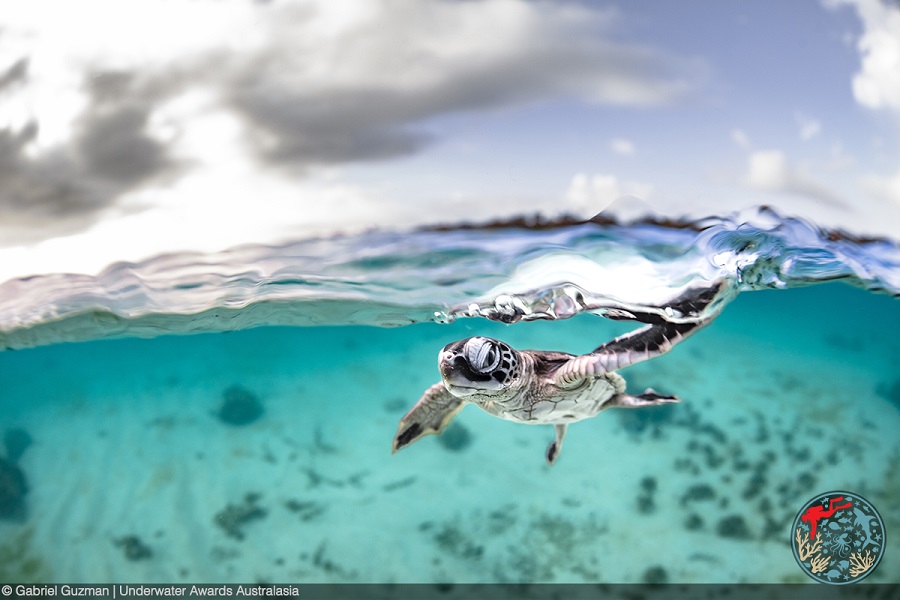
« Baby Turtle »
Captured at Heron Island, a vital nesting site for sea turtles, this split-shot captures the moment of a baby turtle’s first swim after hatching. The image gracefully transitions from the shallow waters to the horizon, illustrating the turtle’s journey from its birthplace to the vast ocean surrounding it. To capture this moment, I was careful to avoid using strobes or artificial light, in reverence to the delicate nature of these newborns. After snapping a few shots, I let the little one continue its journey without additional stress. This photograph is a tribute to the resilience and beauty of new life, highlighting both the importance of Heron Island and the responsibility to preserve its natural wonders.
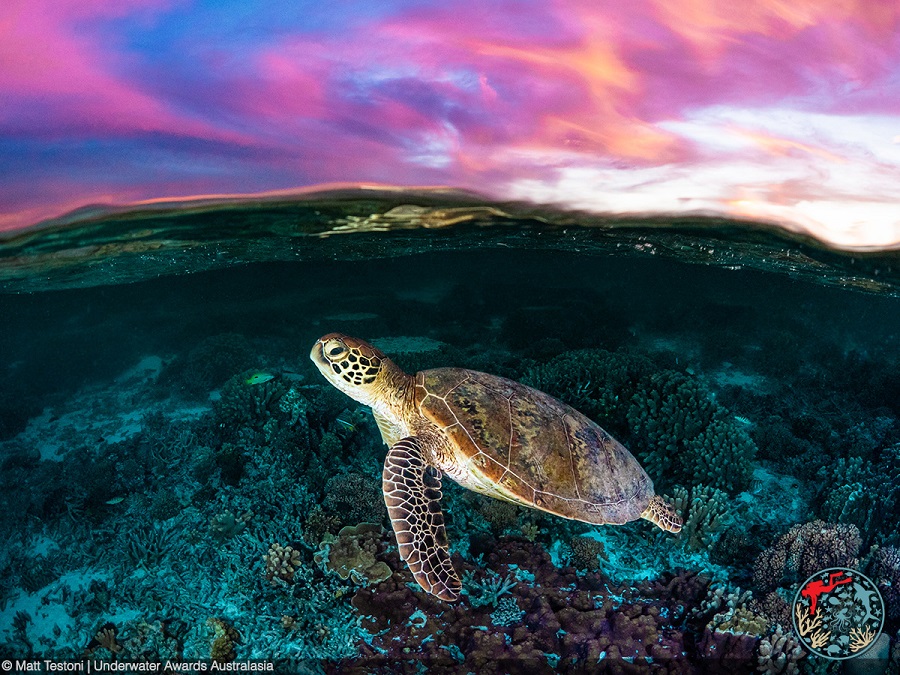
3rd prize – Matt Testoni (Australia)
« Volcanic Sunset on a Sea Turtle »
Swimming in the shallow lagoon of Lady Elliot Island is always an exciting time when spotting a turtle. This one was leisurely strolling along the reef as I swam nearby, waiting for the depth and light to be just right. Normally, the sunset doesn’t reach this part of the island, but rare volcanic activity in Tonga a few months earlier caused the sky to often stretch the sunset over the island, casting everything in a magnificent pink and purple light. Furthermore, if you look closely, you can see a daytime octopus hiding in the shot.
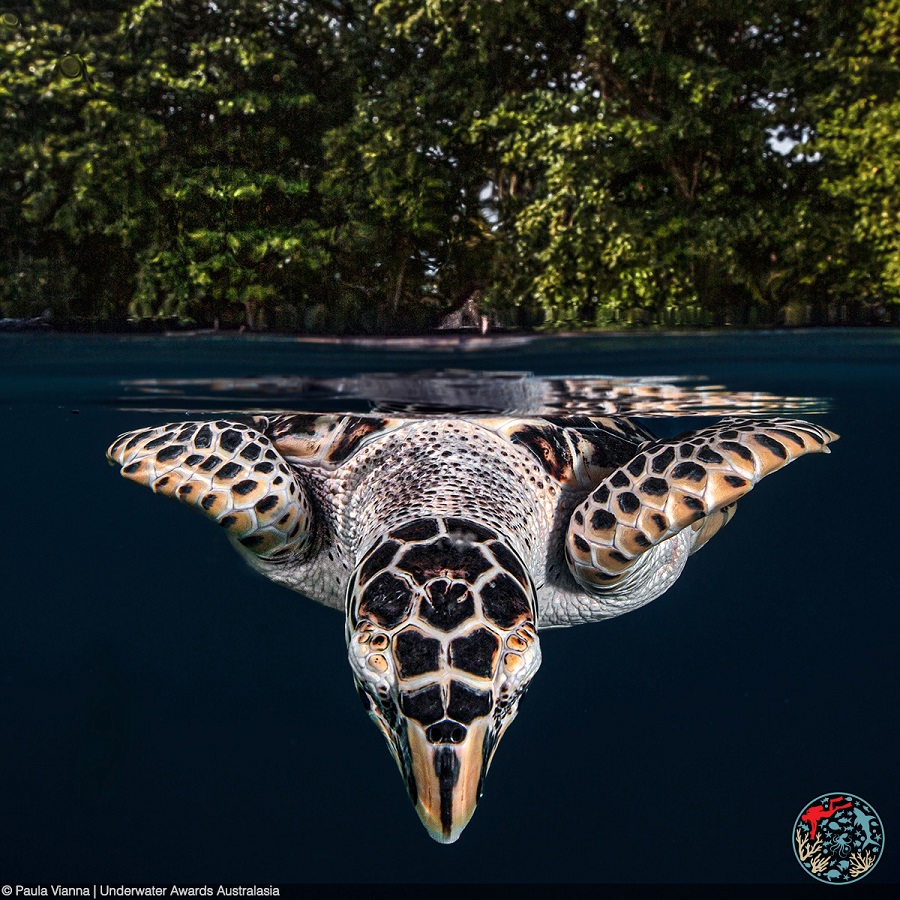
Honorable Mention – Paula Vianna (Indonesia)
Honorable Mention – Gabriel Guzman (Chile – Australia)
Smartphone
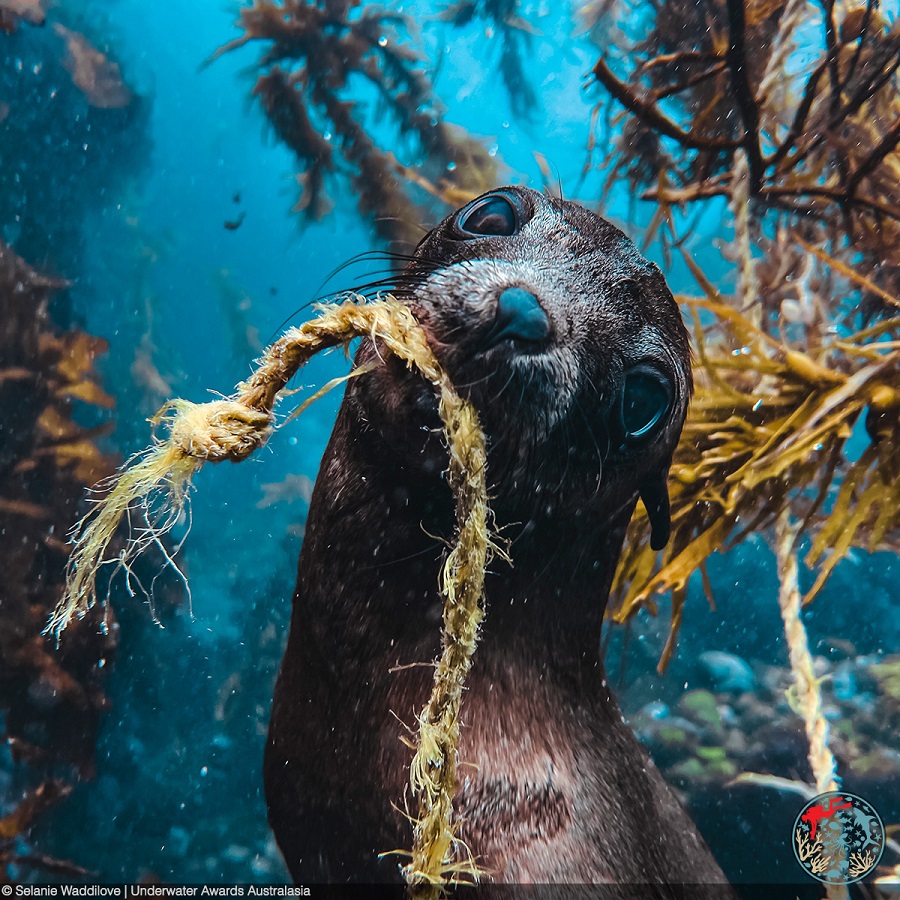
1st prize – Selanie Waddilove (Australia)
« Can I Help You? »
Sometimes a photo just begs to be taken… The playful pose of this little one contrasted with the abandoned rope was both striking and beautiful. Often, New Zealand fur seal pups in Baranguba play tug-of-war and chase with drifting seaweed, letting them dive and swirl around before picking them up before another pup can steal them. On this early morning in April, instead of seaweed, the pups were playing with ropes and other plastic debris that had been swept ashore by the swell and winds of the previous week. I snapped a few shots to capture their joy and gently tugged on the rope’s end, hoping to distract them with a game so I could eventually retrieve it. While the seals played, I gradually wound the rope into my hand and tucked it into my dive suit to dispose of properly upon returning to shore.
2nd prize – Selanie Waddilove (Australia)
« Standing Frogfish«
During a snorkeling trip at Wagonga Inlet, Narooma, this striped frogfish was spotted slowly moving among the seagrass. The afternoon sun provided perfect lighting to highlight the textures and astounding details of this strange little creature. From the large upturned mouth to the intriguing « lure » and the pectoral fins used to « walk » on the ocean floor, these fish are quite fascinating to see and photograph.

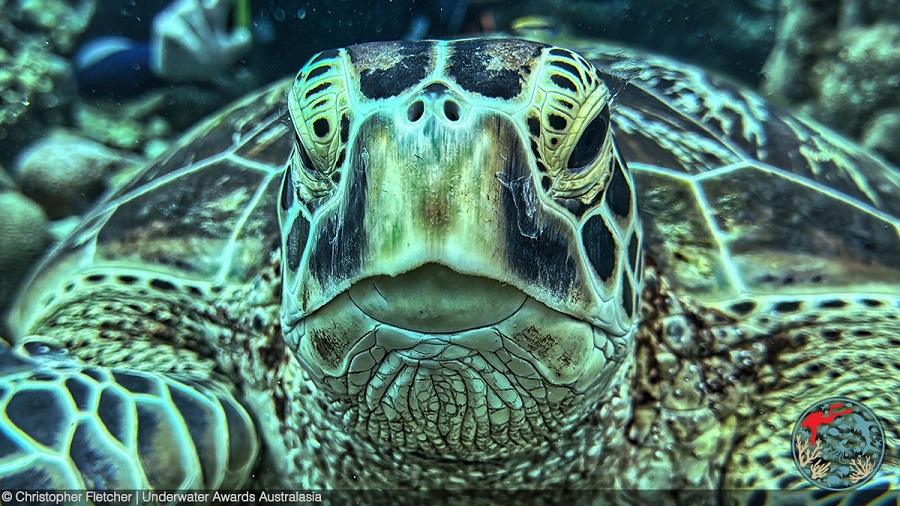
3rd prize – Christopher Fletcher (Australia)
« The Grumpy Turtle »
This photo was taken during a dive in Moalboal, Philippines. There were turtles everywhere! However, this one caught my attention as it was perched on a coral outcrop, taking a nap. When I turned on the dive lights, it lifted its head as if to say, « How dare you interrupt my sleep? » Its expression was priceless. Once I took the picture and turned off the lights, its head dropped back, and it returned to dreaming about whatever turtles dream about….
Environment
1st prize – Emma Turner (Australia)
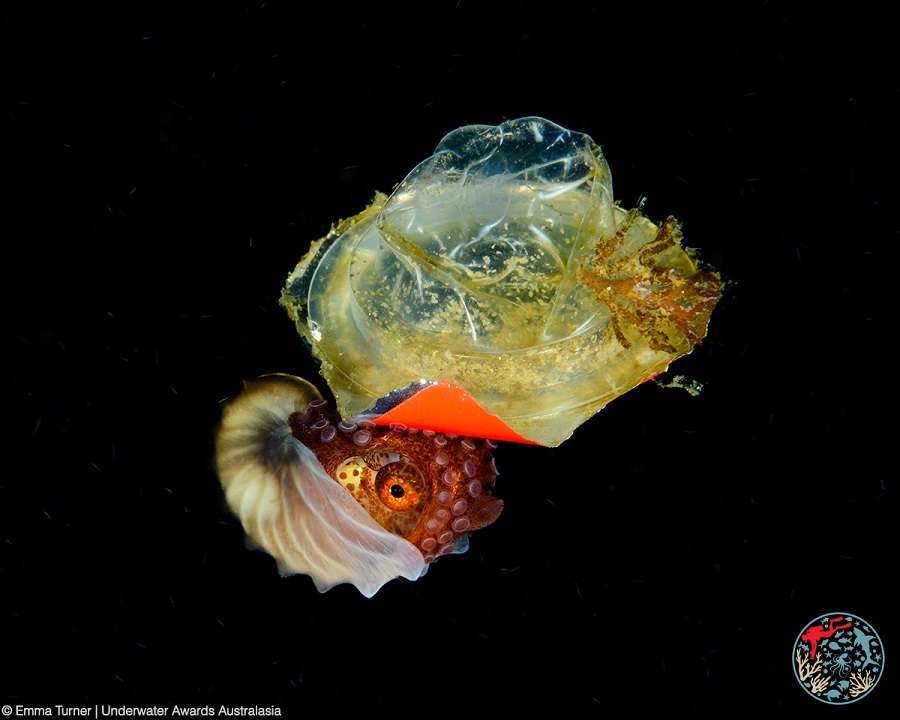
« Hitchhiker »
BlackWater diving – drifting unanchored over deep waters into the darkness of night, with no visual reference other than a descending line of lights, hoping to glimpse « the other world » – is my activity of choice. This female argonaut, which is actually an octopus with an egg-shaped « shell », emerged from the darkness and brushed past me. It was now or never. Was she riding a jellyfish as I’d hoped? As my eyes and camera focused, I wondered what she was actually riding. Metal? Plastic? Both? A condom wrapper? Oh my God, a yogurt lid! How sad for both of us! Is this argonaut surfing human waste to put it back into its deep-sea habitat, or has pollution become so « normal » it’s taken for organic matter?
2nd prize – Andrii Slonchak (Australia)
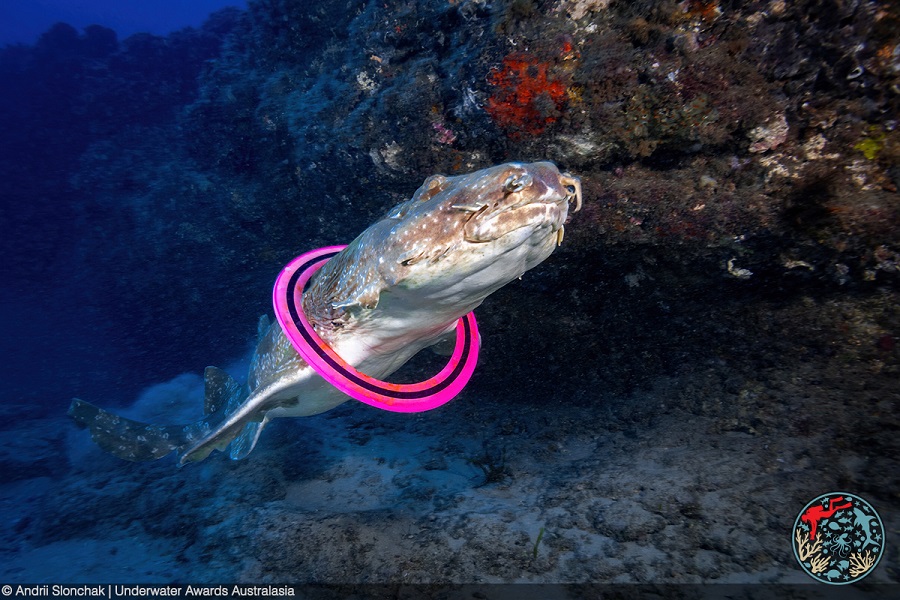
« A Dog Toy or a Plastic Trap »
During a dive on North Stradbroke Island, I suddenly noticed a wobbegong shark headed straight towards me out of a cloud of stirred-up sediment. The shark carried a shiny plastic ring around its neck. As I later learned, our guide had spotted the shark trapped inside a silicone dog Frisbee and attempted to remove the toy, but the frightened shark swam away. I had less than a second to snap this photo before the shark disappeared. I never saw it again and wondered if it had managed to remove the toy or suffered a grim fate. Wobbegongs rely on blending into their environment when hunting, and the bright Frisbee would compromise that ability, leaving the shark vulnerable and potentially unable to ambush prey. This photo highlights a crucial environmental issue: the thoughtless use of plastic dog toys on Australian beaches that often end up in the ocean, endangering marine life. It reminds us of the unintended consequences our everyday activities have on the oceans, prompts us to reconsider our use of plastics, and underscores the importance of dedicated beach-cleaning organizations like Take 3 For the Sea.
3rd prize – Silke Stuckenbrock (Australia)
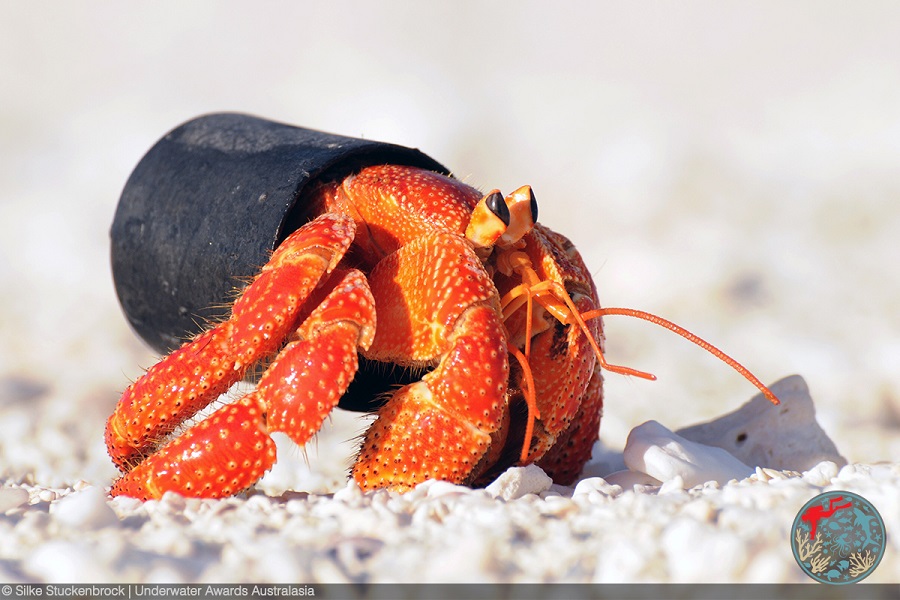
« Fashion Victim »
After sailing for days to reach an isolated coral dock on the edge of Australia’s Great Barrier Reef, a hermit crab appears on a seemingly pristine beach. Instead of a shell, it sports a large plastic lid. As hermit crabs grow, they search for larger shells that need to be renovated for lightness, and this lid is both large and light. The crab appears satisfied with its choice, even though a predator could more easily pry it out of its plastic home. Renovated shells are often passed down through generations, highlighting the importance of leaving shells on the beach and taking plastic waste. With the evening light being dim, I also found a low angle, armed only with my old but trusty digital SLR, a long lens, and my hat as a lens stand. The photo turned out beautifully, the hermit crab undisturbed, and the low depth of field allowing the subject to be at the center of the image.
Honorable Mention – Silke Stuckenbrock (Australia)
Honorable Mention – Jenny Stock (United Kingdom)
Australia
1st prize – Lewis Burnett (Australia)
« Laid Out »
Photographing the strange and wonderful snake-necked turtle underwater has always been a wish of mine for diving in the Southwest. These fascinating reptiles inhabit the freshwater bodies scattered throughout the region and are most commonly observed on land during the mating season, as they search for a mate. I found this particular individual during my first freshwater diving experience in the area, and I couldn’t have been more pleased to have such a cooperative subject to photograph.

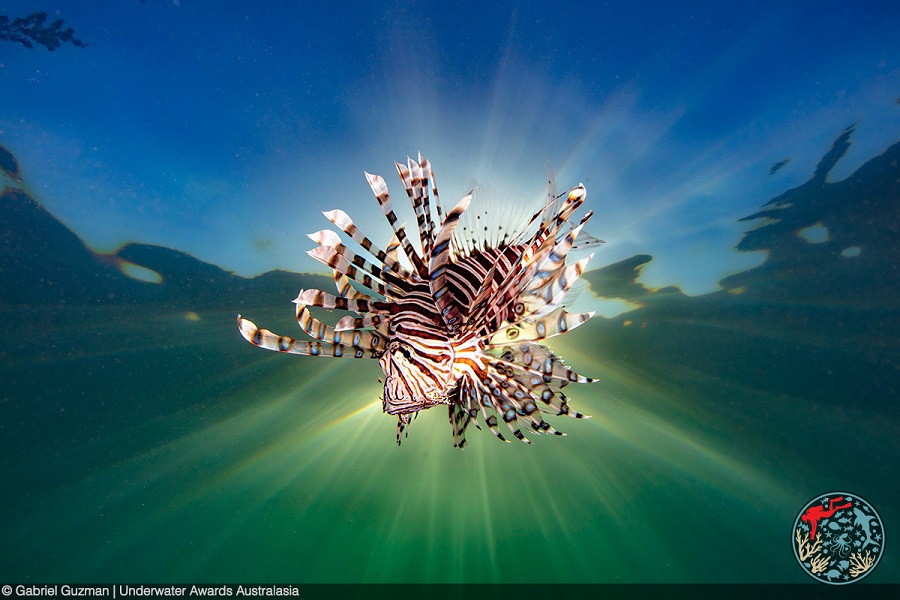
2nd prize – Gabriel Guzman (Chile – Australia)
« Lionfish Sunbathing »
I spotted a lionfish swimming near the surface. Conditions were ideal to capture something truly special, but I knew I had to approach with caution. Holding my breath to avoid creating bubbles that could disturb the pristine surface, I slowly maneuvered under the lionfish. As I positioned myself, I could see the sun’s rays piercing through the water, illuminating it like a spotlight on a stage. The lionfish being perfectly framed by the sun, I started to capture the moment. The combination of the serene surface, the sun’s rays, and the majestic lionfish resulted in one of the most cherished sun shots I’ve ever taken.
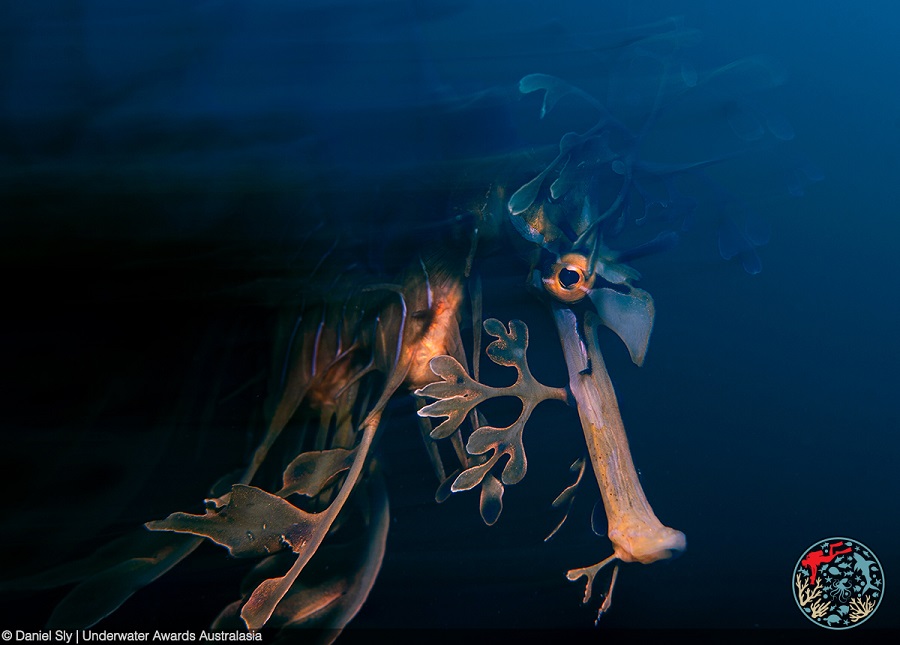
3rd prize – Daniel Sly (Australia)
« Profile of a Leafy Sea Dragon »
This photograph was taken during a late afternoon dive under Rapid Bay Jetty, a spot known for its high probability of encountering the South Australian underwater photography holy grail: the leafy sea dragon. To capture this animal’s intricate details, a single snoot was placed on the right side of the picture. This focused beam of light was carefully directed to illuminate the leaf-like appendages of the creature, emphasizing its delicate structure and natural camouflage against the darker environment. In addition to this lighting technique, a slower shutter speed and a subtle camera panning were used. This allowed for a soft, blurred background, contrasting with the crisp and detailed image of the dragon, enhancing the scene’s sense of depth and movement.
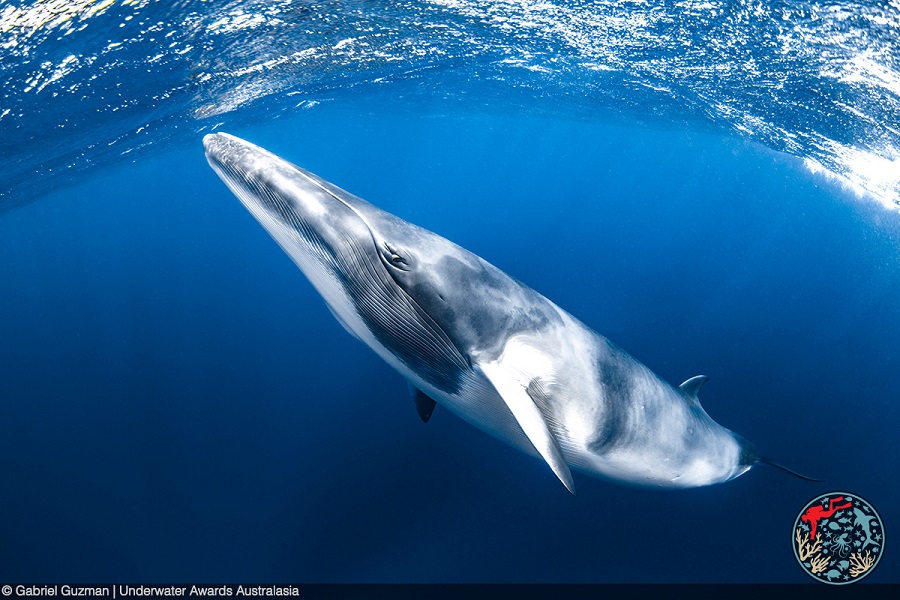
Honorable Mention – Gabriel Guzman (Chile – Australia)
International Waters
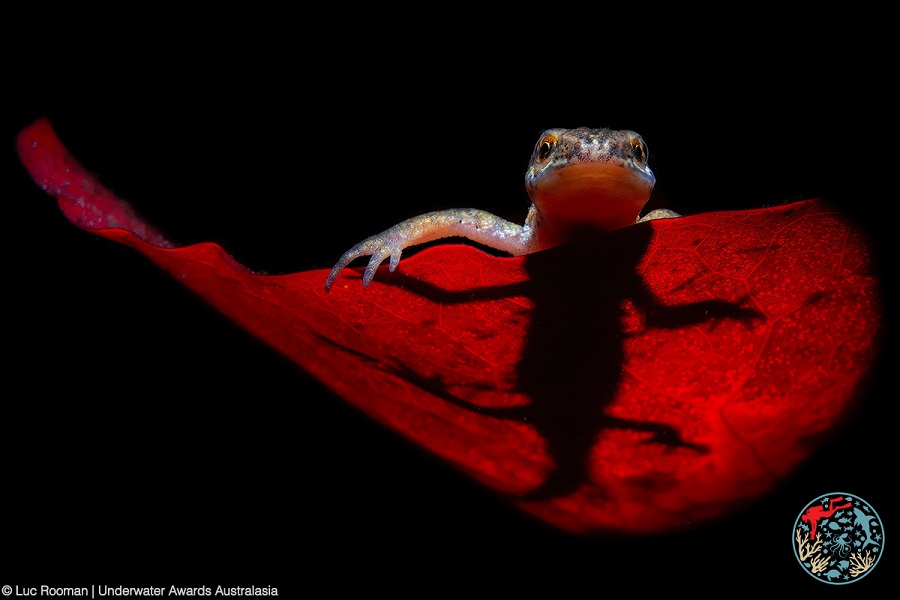
1st prize – Luc Rooman (Belgium)
« Salamander »
Every year, I dive into one of my favorite freshwater lakes, De Melle near Antwerp, to photograph Alpine newts among the water lilies. In July this year, I returned on the lookout for a newt. After attempting to photograph several specimens, I discovered one perched on a water lily, the salamander’s body creating an interesting silhouette through the leaf. After capturing a series of photos, I left the creature undisturbed and carefully moved on.
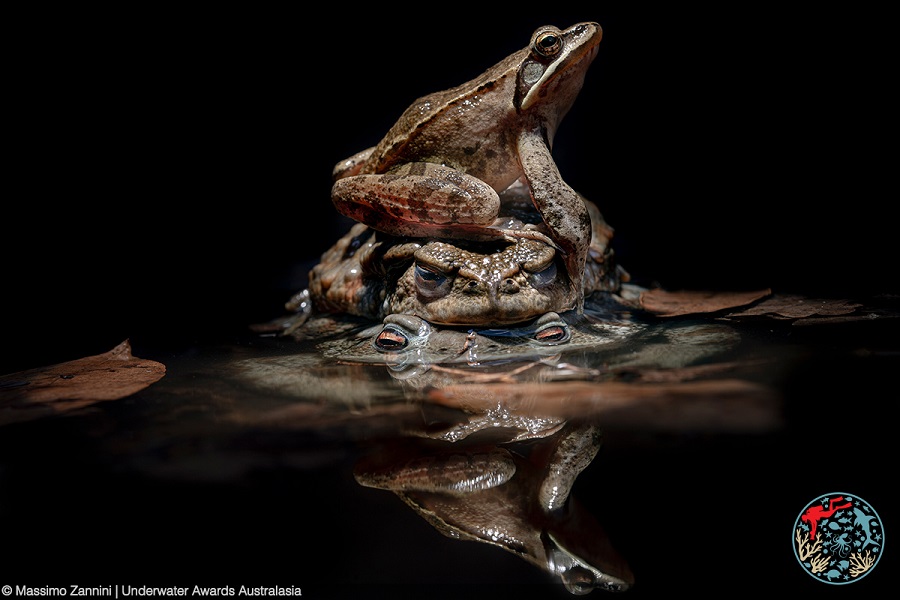
2nd prize – Massimo Zannini (Italy)
« Amphibian Tree »
In spring in the northern Italian mountains, toads mate in small water ponds, like many other amphibians. I was taking some photos of this mating behavior when, for a few seconds, a frog jumped on their backs, probably mistaking them for a rock. Surprised and amused, I only had time to take three photos before the frog was ejected by the male toad off the female’s back.
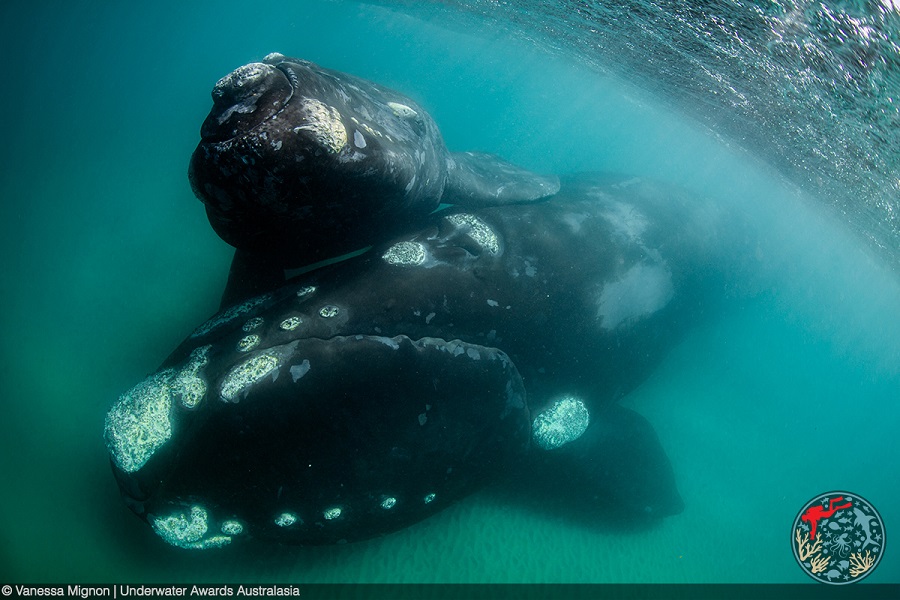
3rd prize – Vanessa Mignon (Australia)
« Connection »
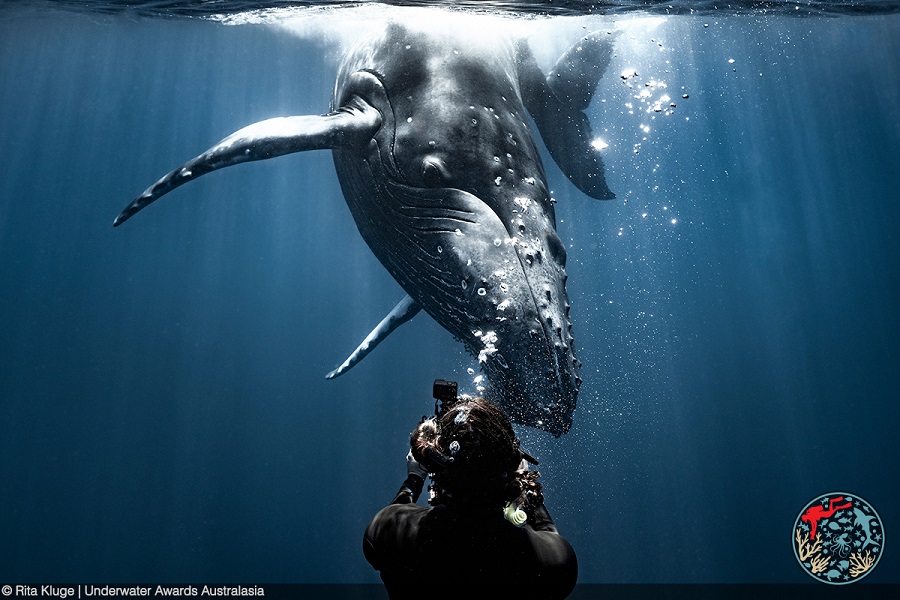
We observed southern right whales in Argentina for a week. These slow-moving whales were highly sought after by whalers due to their high oil content and because they float when dead. They were the « right » whales to hunt. In the 1990s, they were classified as « vulnerable » on the IUCN Red List. Fortunately, due to protection measures, their numbers have increased, and they are now classified as « least concern. » For a few months each year, they visit the Valdes Peninsula in Argentina to breed. There they are highly protected, and strict rules apply for approaching them. It’s heartwarming to see how humans have reversed the trend, moving from slaughtering these whales to caring for them. This is a testament to how we can change for the better and save a species from extinction. That day, we found a relaxed mother and calf. We slowly approached them in our boat, observing their behavior. They barely moved. We decided to enter the water from a distance. We swam slowly towards them, often stopping to let them get used to us. Initially, they watched us and approached, but eventually, the mother slowly used her buoyancy to sink and rest on the sand. Her calf stayed close, resting on her back.
Honorable Mention – Rita Kluge (Australia)
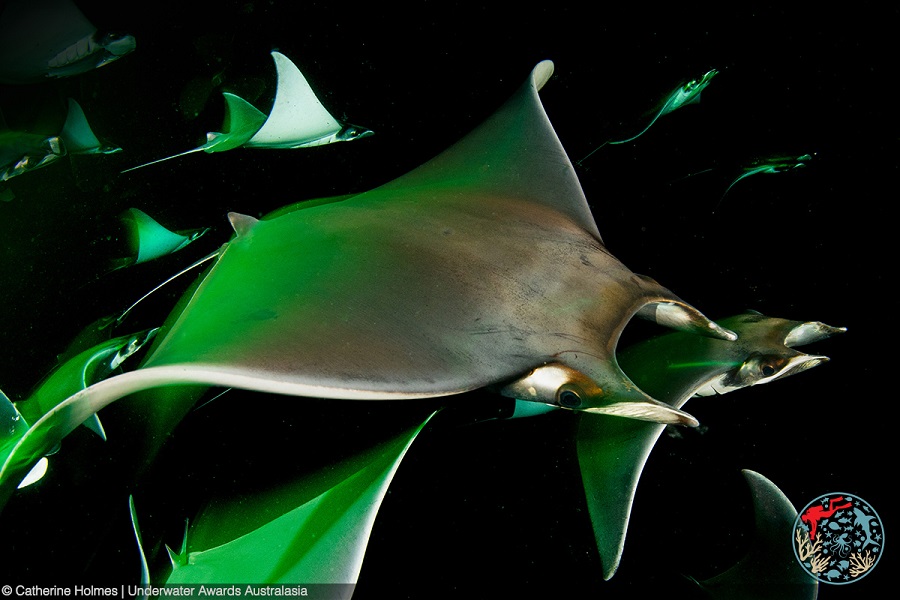
Honorable Mention – Catherine Holmes (Australia)
Portfolio
1st prize – Gabriel Guzman (Chile – Australia)
« Creatures of Sun and Sea »
Sunlit photography is a technique that uses the sun as a focal element to enhance the visual impact of underwater images. By placing the subject in front of the sun, the resulting rays create a natural halo effect, adding depth and dimension to the scene. This approach emphasizes the interaction between light and the marine environment, making the subject stand out strikingly. This portfolio includes six images: a stingray, a lionfish, a manta ray, a turtle, a Napoleon wrasse, and a titan triggerfish. These species were captured through a mix of planned shots and spontaneous opportunities. While most images feature the classic sunburst effect, the stingray photo is unique. Taken at « golden hour, » it captures sunlight filtering through water with a warm, golden hue, creating a different yet equally captivating atmosphere. This technique has fascinated me for years, and I’ve dedicated much time to practicing it. It’s not easy to achieve the perfect sunburst photo. It requires ideal conditions, including calm waters for the sun’s rays to penetrate clearly, full sunlight, and the subject positioned as close to the surface as possible. The creature must be in exactly the right spot, and both the camera and flashes must be perfectly adjusted to capture the moment. The process involves many failed attempts, as it is rare for all these factors to align. This portfolio represents the best of these efforts – a collection of images where everything ultimately came together perfectly.


2nd prize – Marcia Riederer (Australia)
« The Minke Whale »
These images are a selection of my favorite moments during my direct encounters with curious dwarf Minke whales. I was fortunate to have four days of magnificent weather and exceptional sea conditions on a dive boat dedicated to Minke whale interactions on the Ribbon Reefs in the Great Barrier Reef. We spent most of our days hanging at the waterline, while several whales took turns swimming around us. Often, they came very close to me and looked me in the eyes. Little is known about these dwarf Minke whales, except that they visit the northern Great Barrier Reef each winter. The behavior of Minke whales seeking human interaction is still under scientific study and research. Although the exact reasons for their behavior are not fully understood, it is essential to always follow responsible and respectful guidelines. By doing so, we allow the whales to fully control the interactions, making each occasion a privilege. I shared the excursions with researchers from the Minke Whale Project, who were gathering information to study and monitor these whales to better understand their population and conservation needs. It is important to continue research and conservation measures to ensure the long-term well-being of dwarf Minke whales and their habitats.


3rd Prize – Paula Vianna (Brazil)
« Blue Voices: Capturing Beauty and Promoting Preservation Through the Lens »
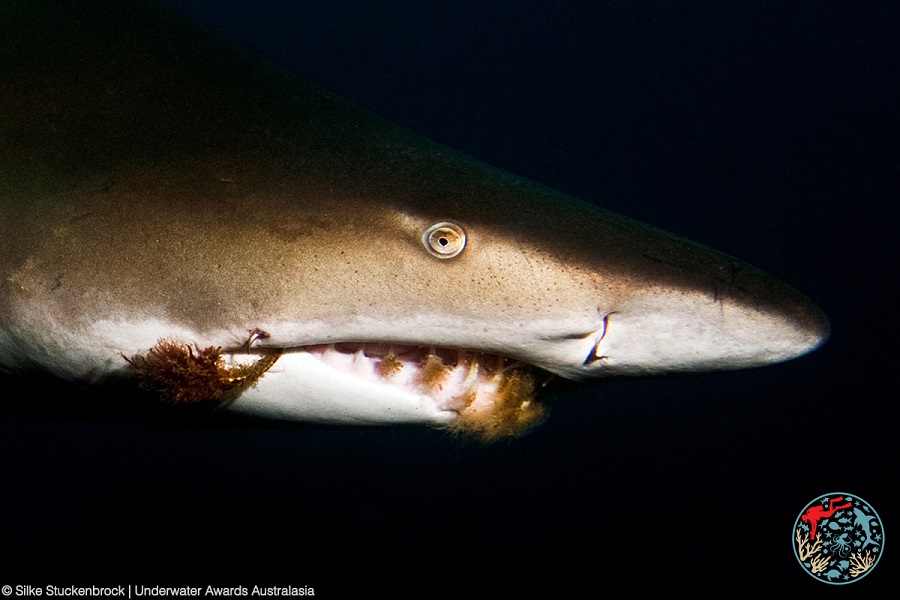
This portfolio captures the extraordinary diversity of marine life found in the waters of Australia, Indonesia, and Papua New Guinea. Each image was carefully selected to showcase the beauty of the ocean’s inhabitants and to evoke a sense of connection and responsibility towards their preservation. The first image shows a vibrant school of yellow snappers, whose striking patterns attest to the rich biodiversity of coral reefs. The second photo shows a manta ray gliding over a colorful reef, symbolizing the diversity and balance needed to preserve all forms of life on Earth, including humanity. The third image depicts a dwarf Minke whale, which visits the northern Ribbon Reefs of the Great Barrier Reef annually around June and July. Scientists still do not know why these whales return to this location each year, but it is thought that these curious and sensitive mammals may come to see us just as we come to see them. The fourth image is a behavioral photo capturing a rare interaction on the wreck of the SS Yongala in Australia, where a pink stingray rests on a much larger stingray. This behavior, observed year after year at this dive site, suggests a transfer of knowledge from one generation to another. In the fifth photo, a gray nurse shark with a fishing hook in its mouth challenges the perception of sharks as dangerous predators, highlighting instead the reality that humans kill hundreds of thousands of sharks each year. The tiny hatchling turtle in the last image was photographed as part of a turtle conservation project on Lissenung Island, Papua New Guinea. Here, turtle eggs are collected and the hatchlings are safely released to help boost turtle populations in the region. These images remind us of the complex relationships within marine ecosystems and the urgent need to protect them. The portfolio aims not only to document the beauty of marine life but also to inspire a deeper appreciation and commitment to preserving these vital yet vulnerable environments.


Honorable Mention – Jenny Stock (United Kingdom)


Honorable Mention Lewis Burnett (Australia)


Instagram Reels
1st Prize – Ste Everington (Australia)
I love this wreck as a dive site – it’s my go-to spot. For this video, I wanted to focus on one particular dive, a dive where the rays spent more time than average with us at the back of the ship. But I couldn’t resist including some amazing ray encounters on other dives at this location. One of my favorite moments in this video was swimming alongside the majestic eagle ray. Even today, it’s one of my favorite underwater encounters – everything about that moment was perfect. As a videographer, I usually prefer filming at a higher frame rate and then slow it down, but the graceful movements of the rays were so fluid that most of these sequences didn’t require adjustments.
2nd Prize – Robin Van Eecke (Australia)
In recent months, I’ve had the privilege of calling the Ningaloo Reef my second home. Ningaloo’s health is a testament both to its natural resilience and the conservation efforts protecting it. It is a beacon of hope and a reminder of what is possible when we prioritize the preservation of our natural world. It is the largest fringing reef on the planet, providing continuous habitat for marine life, making it a crucial refuge on our planet, where such places are becoming increasingly rare. Working on this project, I discovered the beauty of this underwater paradise. I was fortunate to witness the delicate balance of this ecosystem and capture it to share with the rest of the world. Through this video, I hope not only to share the beauty of Ningaloo Reef but also to inspire others to care for our oceans, for these images show what we stand to lose. I am grateful to have been able to show this video to a large community of divers and ocean lovers, and I hope they continue to spread our message to protect what we love.
3rd Prize – Peter Ly (Australia)
An annual visit to the magnificent Lady Elliot Island, home to the manta rays of the Great Barrier Reef. The video encapsulates six days of diving in 43 seconds, exploring the abundance of life this small island has to offer – a part of the ocean I have a deep connection with, a place I also call home.
Honorable Mention – Peter O’Leary (Ireland)
When I saw this competition was being held, I thought it was the perfect opportunity to compile some of my favorite marine interactions and share the beauty beneath the surface. Whether it’s securing swimming turtles on Heron Island, encountering leopard sharks in Julian Rocks Nguthungulli Nature Reserve in Byron Bay, or diving with humpback whales off Hastings Point in New South Wales, and all the interactions that were never documented, each time I explore the underwater world, it reminds me why I became hooked on marine life.
Honorable Mention – Talia Greis (Australia)
Every winter, hundreds of thousands of giant cuttlefish converge on the shallow shores of Whyalla. They come here to feed, fight, and mate. We often see them from afar, but I thought it was time to take a closer look. Their W-shaped pupils give giant cuttlefish a panoramic view of the world, as they have a wider horizontal field of vision. When trying to attract a female, males contract their muscles and open their chromatophore (pigment-filled sac), causing a wave of almost hypnotic psychedelic colors to appear across their bodies. Absolutely wonderful.