


Underwater photography presents a unique challenge: the water layer quickly becomes a real obstacle for capturing vibrant and true-to-life images. However, by following a few simple rules and choosing the right equipment, you can make the most of this particular environment and take memorable shots.
Understanding color loss underwater
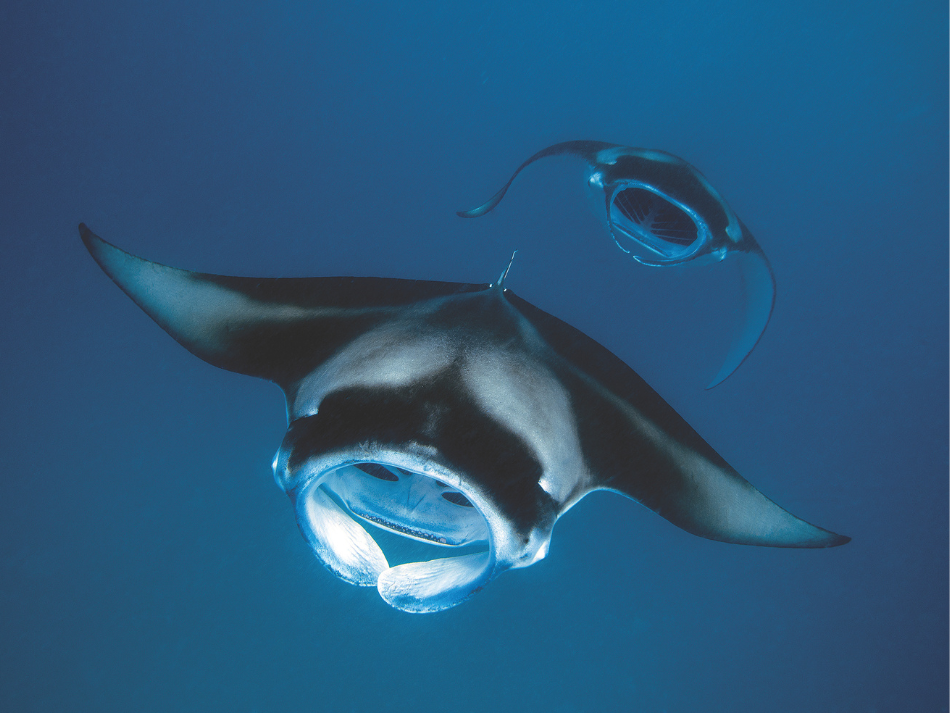
The first hurdle in diving is the rapid loss of colors depending on the depth. As soon as 3 meters below the surface, red tones disappear, and beyond 10 meters, only green and blue hues remain. It’s important to note that this loss applies both vertically and horizontally! This is where flashes and lights come into play: they help to ‘bring back’ the lost colors, even though their range is always limited.
Visibility and image quality
La underwater visibility also has a major impact on shooting possibilities and the quality of your photos. Whether the water is clear and crystalline or, on the contrary, laden and turbid, the challenges will be quite different. Generally, good visibility rarely exceeds 15 to 20 meters ; beyond that, the scene blends into a bluish mist that limits image sharpness and depth.
Perspective and distance estimation
Another aspect to consider: the human eye is deceived underwater. The liquid layer acts like a magnifying glass and skews distance perception. Thus, what seems to be 3 meters away from you is actually 4 meters in reality. The same goes for the size of your subject (a 40 kg grouper may appear much smaller once ashore!). Managing your position relative to the subject is therefore essential, and the first mandatory rule for a successful shot: to shorten a distance, get closer.
Did you enjoy this excerpt?
Read the full article.
READING TIME ≈ 6 min
Dive into the heart of the Magazine DIVE!
To enjoy this article and its exclusive content, a modest contribution is required.