


The public can finally admire the prehistoric artistic treasures discovered in 1985 by Henri Cosquer. We reveal the history of this incredible discovery, the three decades of studies conducted in the cave, and take you behind the scenes of its reconstruction.
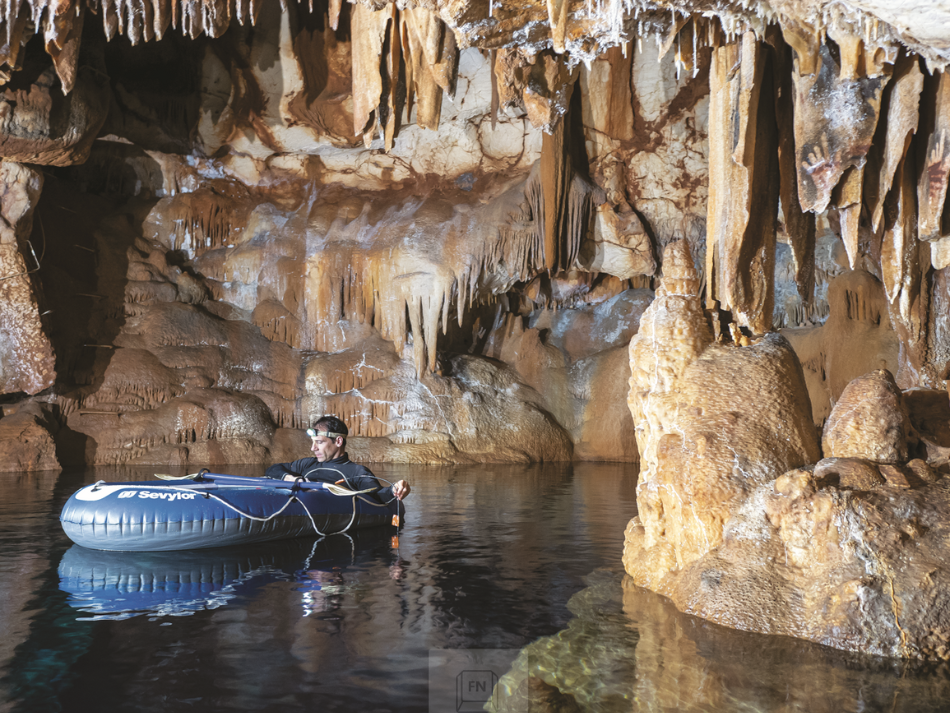
What the Cosquer cave reveals to us
The Cosquer cave, exceptionally well-preserved but extremely fragile, has been studied for thirty years. Technological advances have allowed science to progress, revealing an emotional testimony to our origins.
A meticulous scientific exploration
The cave of Cap Morgiou, harboring a fascinating prehistoric bestiary, might have remained unknown. The rising Mediterranean levels isolated it and destroyed three-quarters of the artworks. Under the direction of the Ministry of Culture, scientific missions studied and digitized the site despite difficult access. The objective was to collect data for laboratory research.
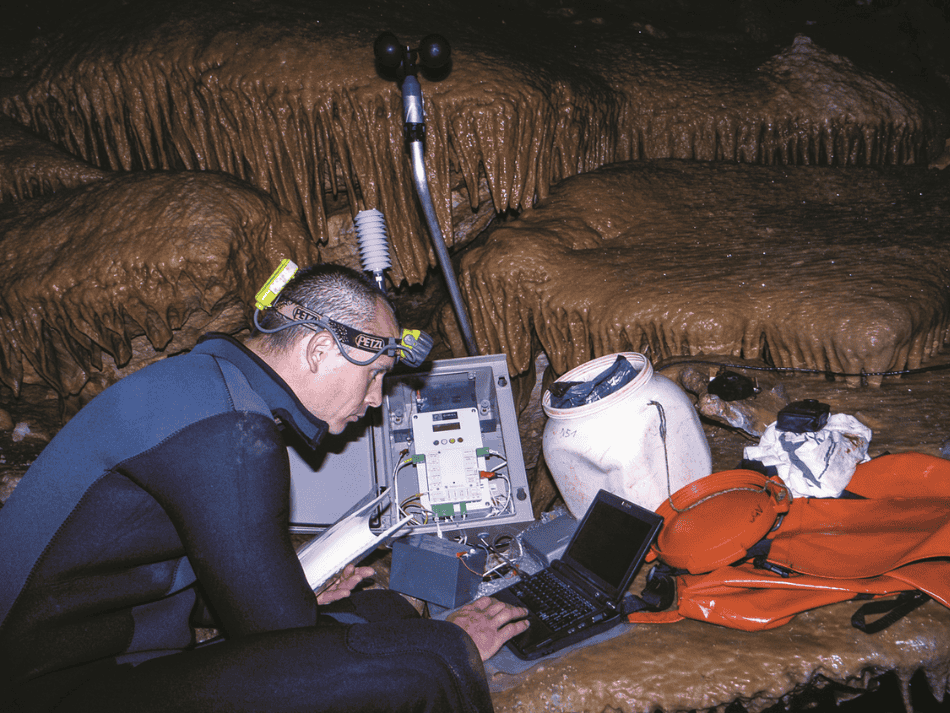
Since 1994, Luc Vanrell, a professional diver from Marseille, has coordinated technical and scientific work. Between 2001 and 2005, five archaeological research campaigns were conducted, followed by five more between 2010 and 2015 with engineer and diver Michel Olive. Since discovery, 17 flints shaped by Homo sapiens have been recorded. A new team from the Lampea laboratory, led by Cyril Montoya, continues research for the Ministry of Culture. Luc Vanrell, handing logistics to his daughter Orsane, emphasizes: « We must understand how these people lived by finding elements of their daily lives. »
Did you enjoy this excerpt?
Read the full article.
READING TIME ≈ 6 min
Dive into the heart of PLONGEZ! Magazine
To enjoy this article and its exclusive content, a modest contribution is required.