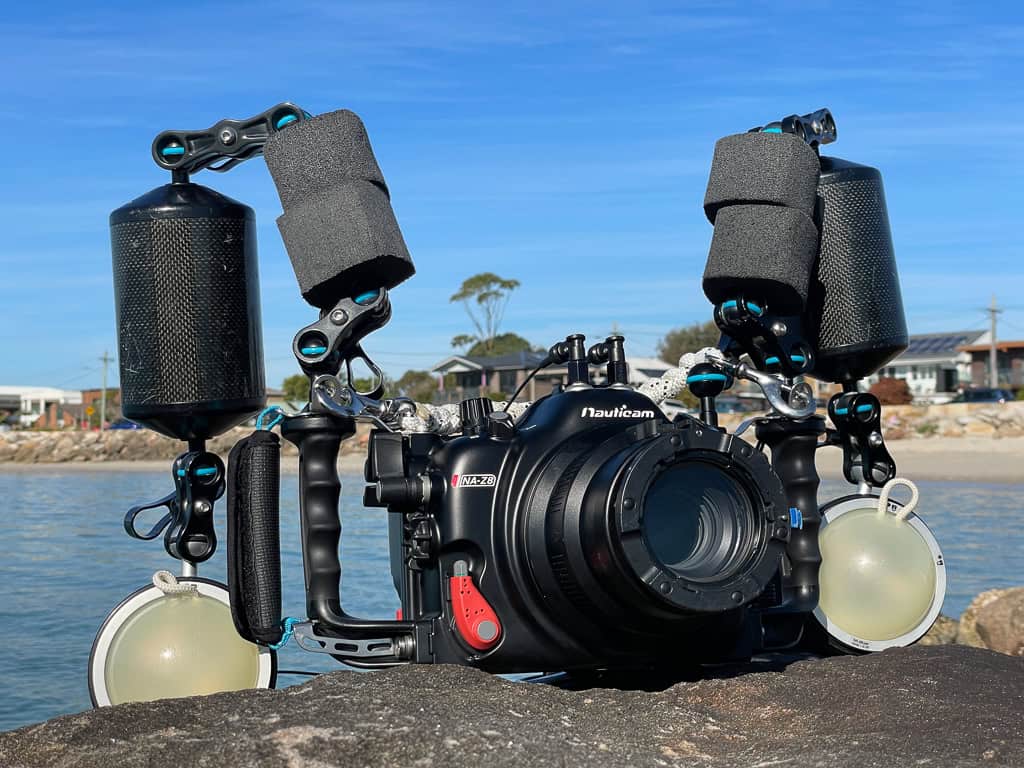
We tested for you – The Nikon Z8 in the Nauticam housing
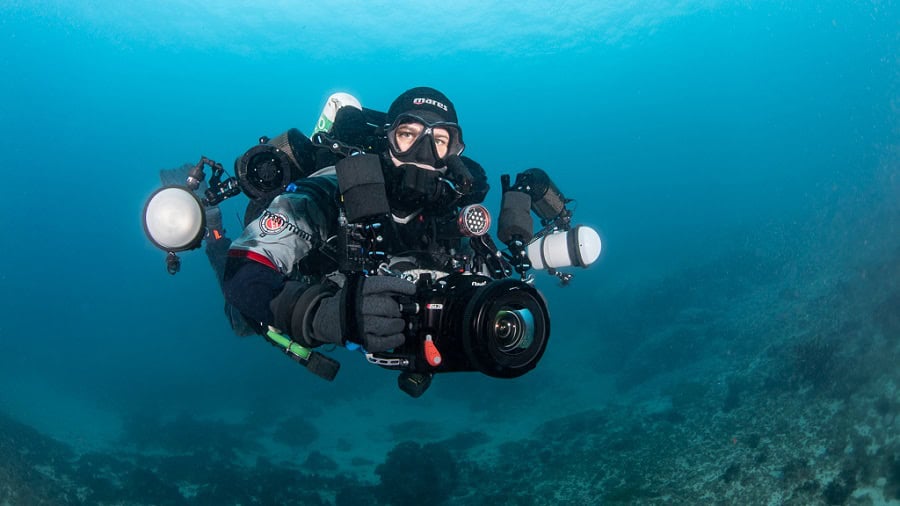
Nicolas Rémy, a professional photographer based in Australia and founder of the online underwater photography club and school The Underwater Club, gives you his very comprehensive feedback from testing the Nikon Z8 in the Nauticam housing.
Nicolas Rémy, professional photographer based in Australia and founder of the online underwater photography club and school The Underwater Club, shares his very comprehensive review of the Nikon Z8 in the Nauticam housing.
Advantage: one of the best AF systems on any camera (tracking, low light); the electronic viewfinder is better than an optical viewfinder in low light conditions and resembles a DSLR in strong ambient light; the Z 24-50 mm and WWL-C set up is a compact solution offering excellent image quality; flexible customization of controls, accessible via eight ergonomic levers on the Nauticam housing; the battery lasts two dives. Disadvantages : maximum flash sync speed of only 1/200 s; slow focusing under red light; sometimes focuses on floating particles in low visibility wide-angle scenarios.
It is no secret that the Nikon D850 is considered one of the top-performing DSLRs for underwater photography. If you consider how often this camera has been behind competition-winning shots, the D850 might still be the number one full-frame camera among confirmed underwater photographers. It is therefore not surprising that many D850 (and D500) users have held on to their faithful DSLRs, waiting for Nikon to release a mirrorless camera that could truly surpass the former guard for the specific challenges of underwater photography. With the arrival of the Nikon Z9, many DSLR-equipped photographers, including myself, were optimistic that the wait was finally over.
When I had the opportunity totest the Z9 in the Nauticam housing, I found that Nikon’s new flagship hybrid camera was a very convincing upgrade, offering significantly improved autofocus performance compared to my Nikon DSLRs and providing a better overall experience. However, the weight and size of this full-frame professional housing are not suitable for everyone, even before considering the exorbitant price. So, when Nikon announced the Z8, with a body size similar to the D850 but promising performance at the level of the Z9, it seemed that Nikon photographers’ prayers had been answered. With specifications almost identical to the Z9, the new camera seemed almost too good to be true, didn’t it?
To discover how the Z8 performed underwater, I spent 35 hours over five weeks diving with the camera in a Nauticam NA-Z8 housing in the temperate waters of Sydney, Australia—waters that can be challenging with variable visibility from 4 to 20 meters.
The Z8 has been widely touted as a ‘mini Z9’ and the ‘true successor’ to the esteemed D850. I don’t think the internet needs yet another list of Z8 specifications, so instead I will focus on the key specifications for underwater photography, comparing the newcomer with the D850 and the Z9. Autofocus, the electronic viewfinder, battery life, and video capabilities are all important topics, so they will be covered in more detail in the following sections, as will lens choice.
Nikon Z8 versus Nikon D850
The Z8 is virtually the same size as the D850, but is about 10% lighter. Both have a 45.7MP full-frame sensor, and image quality is very similar, except for dynamic range, where the D850 does a bit better on paper (14.8EV vs 14.2EV for the Z8). To put things in perspective, 14.2 EV is still a very high score, and I was fully satisfied with the Z8 files and how I could recover details in the highlights and shadows.
In terms of autofocus, the Z8 brings significant improvements: 493 points covering 90% of the frame, compared to 153 points and a 21% frame coverage for the D850. Moreover, each of the Z8’s 493 AF points can focus in low light conditions of –7EV, versus –4EV for the central AF point of the D850. In other words, the Z8 should continue to focus in conditions 16 times darker than those the D850 can handle.
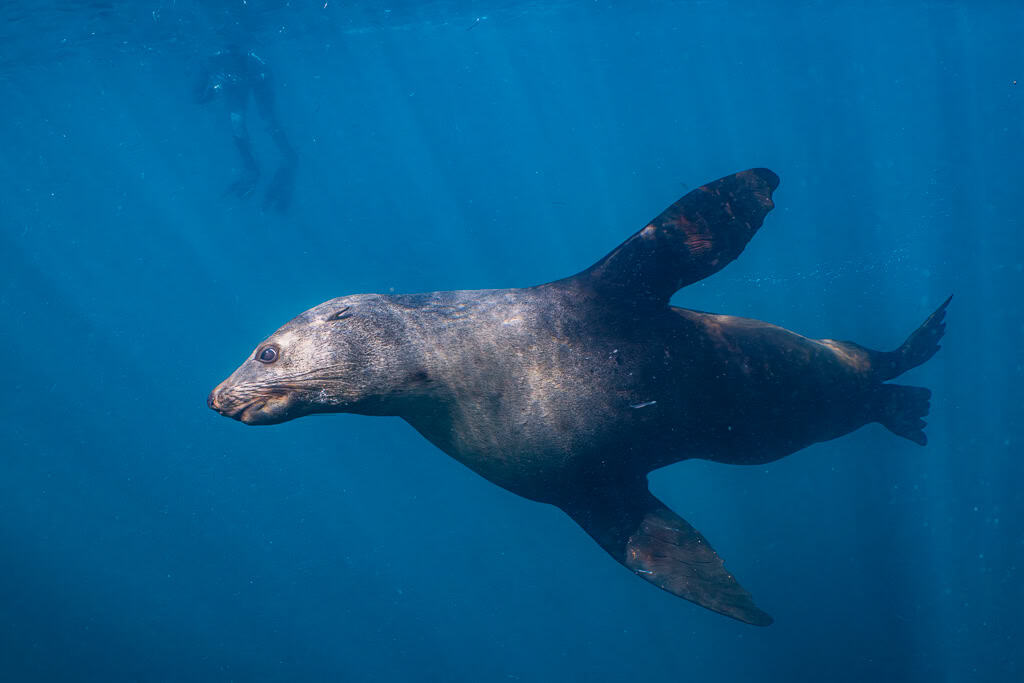
Another advantage of the Z8 is the burst shooting speed: it can shoot full-resolution RAW photos at 20 fps for extended periods, whereas the D850 maxes out at 7 fps. I found this higher continuous shooting speed useful for fur seals and moving super macro subjects. In terms of battery life, the D850 has a clear advantage over the Z8 and all mirrorless cameras, offering well over 1,000 shots on a single charge. In comparison, according to CIPA ratings, the Z8 allows for 340 shots per charge if you use the rear LCD, and 330 shots if you use the viewfinder (see in the 2nd part real figures in the water).
A major point against the Z8 (and likewise, the Z9) is its maximum flash sync speed of 1/200 s, versus 1/250 s for the D850. While I found the 1/200 s sufficient for shooting in temperate waters, when I took the Z9 to the Red Sea, I repeatedly wished for a higher shutter speed. I ended up closing my aperture and increasing the strobe power instead.
The electronic viewfinder is a significant change for anyone coming from a DSLR like the D850 or D500. However, the Z9 has one of the best electronic viewfinders on the market (we’ll talk about it later), and I felt the Z8’s electronic viewfinder performed identically. For underwater photography, the many advantages of the Z8’s electronic viewfinder far outweigh the two negatives I noticed (see below).
Finally, it is worth noting that all lenses benefit from in-body stabilization on the Z8, whereas it was lens-specific on the D850. The video capabilities of the Z8 far surpass those of the D850 – we will discuss this later.
On paper, the Nikon Z8 is almost identical to the Z9 in many respects. I found only four differences pertinent to underwater photography. First, it is about 30% smaller and 430 g lighter than the Z9. Second, the battery life is significantly shorter, which is not surprising since the Z8’s EN-EL15c battery has a capacity of 16 Wh, about 45% of the Z9’s EN-EL18d, at 36 Wh. Third, in terms of memory card slots, the Z8 features a CFexpress (Type B) slot and an SD (UHS-II) card slot, while the Z9 has two CFexpress (Type B) slots. Professional cinematographers might see this as a disadvantage, but as a traveling underwater photographer, I much prefer being able to continue using my old SD cards and leave the CFexpress card reader at home; like many laptops, mine has a built-in SD card reader. My old SD cards won’t prevent me from recording two or three seconds of RAW bursts at 20 fps (the Z8 has a huge buffer, like the Z9), and I can still record 4K/60p 8-bit video clips. Fourth and lastly, I found subtle differences in autofocus tracking, which are detailed in the Autofocus section.
I am foremost a photographer and can only briefly comment on the Nikon Z8 as a filmmaking tool. However, I started to shoot videos with the Z9, and now the Z8, and found myself capturing short clips every couple of dives, because these cameras made it particularly easy, compared to a DSLR, for three reasons.
Firstly, I could switch from still images to video without taking my eyes off the electronic viewfinder. I just had to press a switch (right thumb on the Nauticam housing) and could start filming in 4K or 8K by pushing a lever conveniently placed under my left thumb. Secondly, I found that the « full-time » autofocus mode (AF-F) performed rather well when capturing short wide-angle videos. I didn’t expect this because past DSLR experience taught me that you simply couldn’t trust autofocus when shooting underwater video, as the camera would start « hunting » at any moment, rendering the footage unusable. Thirdly, the in-body image stabilization also works during filming, and I found my video clips to be surprisingly stable.
Overall, despite my limited shooting experience, it was evident how little effort or time it took to record short films that pleased me in-between shots. Getting good « on-the-fly » video clips seems more achievable than ever, and I now think I should get some video lights. Keep in mind that the Z8 often fails to balance whites at over 15 meters.
More than sufficient battery for 2 well-filled dives
With DSLRs, we are used to measuring battery life by the number of shots, but I found that the Z8 and Z9 focus more on the duration of use: how long you keep the viewfinder or LCD on, how often you focus, whether you use continuous tracking, how much video you record, etc.
« The Z8 will comfortably cover two dives, using the viewfinder all the time (brightness set to -3), primarily taking photos with continuous AF tracking and animal recognition enabled, and recording a few short video clips in 4K/60p and 8-bit. »
From my experience, the Z8 will comfortably cover two dives, using the viewfinder all the time (brightness set to -3), primarily taking photos with continuous AF tracking and animal recognition enabled, and recording a few short video clips in 4K/60p and 8-bit.
To reach this conclusion, I recorded a number of my dives with the Z8, all of which took place in 16-17°C (61°-63°F) water.
2h30 of macro/super-macro diving, 250 shots, 10% battery remaining.
2h30 of wide-angle diving, 250 shots, 10% battery remaining.
2h20 of wide-angle diving, 290 shots and some videos, 24% battery remaining.
2h20 of macro/EMWL diving, 350 shots, 2min40 of video clips, 27% battery remaining.
2h35 of fish portrait diving, 230 shots, battery completely depleted.
2h00 of wide-angle diving with seals, with burst shooting at times, 300 shots, 38% battery remaining.
1h20 of wide-angle diving with seals but less intensive, 190 shots, 71% battery remaining.
2h20 of macro/EMWL diving, 230 shots, 35% battery remaining.
1h40 of nighttime macro/EMWL diving, 190 shots, 47% battery remaining.
2h50 of wide-angle diving, 390 shots and 42sec of video, 5% battery remaining.
An important caution : although the Z8 accepts the D850’s EN-EL15a batteries, you must purchase the latest EN-EL15c version to achieve the above performances.
Overall, it doesn’t take much effort to quickly dry the housing, open it, change the batteries, then evacuate the air, so the vacuum control confirms it is still watertight. For those who don’t like opening their housing during the day, Nauticam has just released a USB-C charging connection that allows you to charge compatible camera batteries (like the Z8) without opening the housing.
A rich viewfinder experience for more enjoyable dives
I couldn’t tell the Z8’s electronic viewfinder apart from the Z9’s, which is fantastic news, as it’s one of the best on the market. Overall, it’s a much better tool for underwater photography than the D850’s optical viewfinder.
If you’re new to hybrid, read my Z9 review, written from the perspective of a DSLR user adapting to a new paradigm. I discuss at length the benefits brought by the Z9’s electronic viewfinder, and everything included in it also applies to the Z8. For the purposes of this review, below are the key takeaways about the Z8’s electronic viewfinder.
I couldn’t tell the Z8’s electronic viewfinder apart from the Z9’s, which is fantastic news, as it’s one of the best on the market. Overall, it’s a much better tool for underwater photography than the D850’s optical viewfinder.
Firstly, when there’s a lot of ambient light, the framing seems really « realistic, » meaning it is difficult to differentiate it from a good optical viewfinder. This results from the combination of high resolution (3.69 million dots) and the impressive refresh rate (120 Hz), which is maintained during focusing. When it gets darker, the screen adjusts to facilitate viewing and framing your subjects. Like any electronic viewfinder, it can be difficult to see both your foreground and background when framing a very contrasty scene.
Think of shooting into the sun with a dark foreground. I noticed my background was clipped at times, but I was still able to see the key elements and compose my shots.
Secondly, the viewfinder is quite large and I chose to reduce the display (there’s an option for this) so I could see the full frame from a distance when using the Nauticam 40°/0.8:1 angled viewfinder. It is possible to see the entire display through this viewfinder if you press your mask close, but I prefer having a bit of margin.
Thirdly, I really like seeing all the important shooting parameters without taking my eyes off the viewfinder and without needing to press any buttons. This information is arranged on two lines, above and below the image.
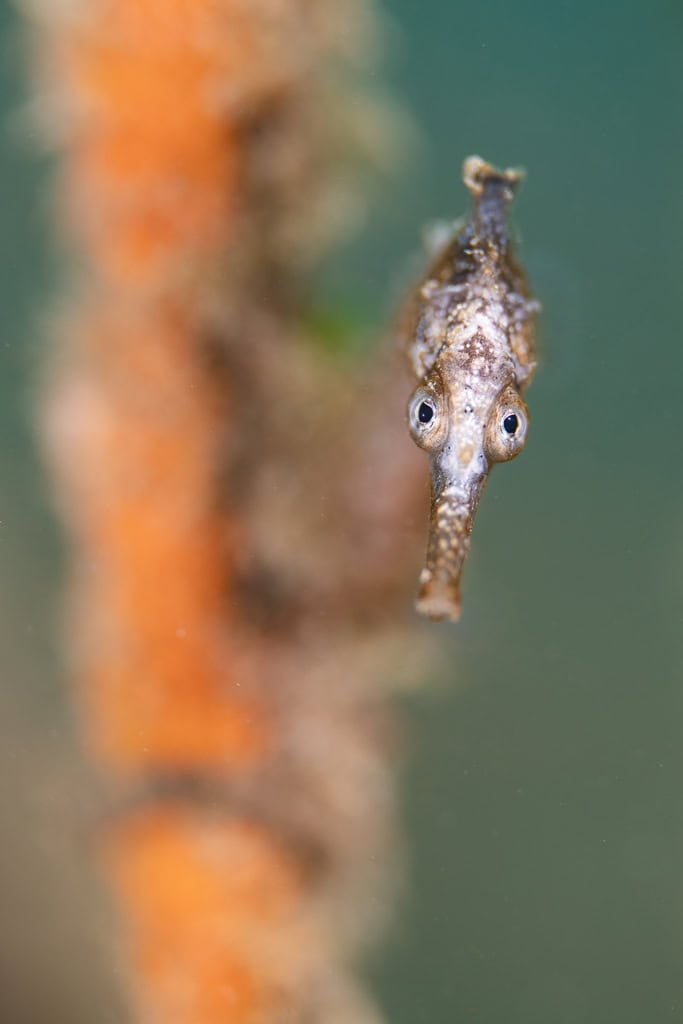
Fourthly, focus peaking significantly facilitates manual focusing (in super macro). The focus peaking is obviously configurable in terms of sensitivity and color, and you can even « zoom in » by pressing the « + » button. I loved the focus distance display, which starts when you focus manually. (I installed the Nauticam focus ring on the Z 105 mm lens.) It showed me how close I was to the 11.4-inch (29 cm) minimum focusing distance, so I knew if I maximized my magnification and when it was time to use the Nauticam SMC-1 to get even more magnification. Again, it also indicated when I had maxed out my SMC-1.
Finally, my favorite feature of the Z8’s viewfinder is its DX mode, where you can choose to apply an in-camera APS-C crop and produce 19MP files, very close to the D500’s venerable 20.9MP files. In this mode, the Z8 still uses the full view to display the DX framing, making composition as comfortable as using full-frame (FX) mode. I’ve assigned the DX/FX switch to the Fn2 button, easily accessible via a lever on the Nauticam housing with my left ring finger. While composing photos, switching between FX and DX modes really made me feel like I was toggling between a D850 and a D500 underwater, depending on what suited my subject best.
The only time I encountered a visibility issue was at night when I used red light. In such conditions, I found it provided less contrast than a good optical viewfinder.
A « sticky » autofocus that almost never loses your subject
Overall, the Nikon Z8’s autofocus system is a delight to use underwater. It’s simply one of the best on the market. It is easier to use and produces more good focuses than the highly regarded D850 and D500. Here, I will talk about my general conclusions about autofocus, with some lens-specific observations shared in the Lens section.
Tracking works impressively and generally sticks to the subject as you get closer, while you recompose, while the subject swims, or all of the above!
Without a doubt, my favorite mode is AF-C 3D: you place the AF point on the chosen subject, press the shutter, and the Z8 will track said subject all around the frame (remember, 90% coverage). The tracking works impressively and generally sticks to the subject as you get closer, while you recompose, while the subject swims, or all of the above! This ‘stickiness’ is a significant win over the best Nikon DSLRs, whether the ‘animal detection’ feature comes into play or not. For testing purposes, I sometimes randomly selected a piece of seaweed swaying in the swell and tried to recompose, only to find the Z8 continued to track the seaweed!
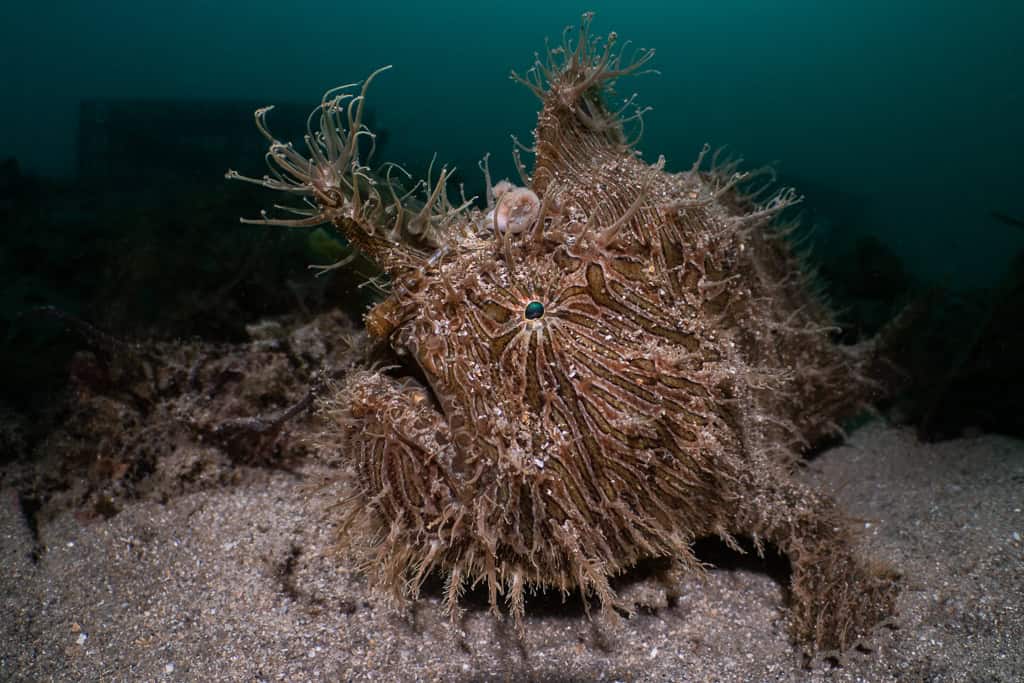
Even more impressive, this performance was maintained even in low ambient light, such as when shooting fish under a jetty in visibility less than 4 m, without a focus light. For truly unpredictable subjects, like fish swimming erratically in the water, I switched to auto-area AF mode and let the Z8 determine what the subject was. This was more productive than AF-C 3D, as long as the fish stood out from its background.
Now let’s get into the details, comparing the Z8 with the D850 and the Z9.
Nikon Z8 versus Nikon D850
For moving fish and macro, the Z8 significantly outperformed the D850, sticking to the subject much longer using continuous tracking. This allowed a different way of shooting, where I could select my subject at a distance (AF-C 3D), then proceed to approach and eventually recompose, being confident the subject would still be locked. With the D850 (and the D500), I would approach first, then select my AF point once I reached the expected working distance. Selecting the eye of a macro subject underwater can be tricky, and this ‘old’ method of shooting led to missed photo opportunities.
The Z8 allowed me to work faster than Nikon DSLRs, resulting in more good shots, especially in lower ambient light conditions. I don’t recall having to turn on my focus light at all, except when shooting with the Nauticam SMC-1 diopter. The only macro situation where I found the D850/D500 still had an advantage was focusing under red light (at night). Just like the Z9 (and very likely mirrorless cameras from other brands), the Z8 relies on its blue and green sensor photosites (but not red ones) for focusing, making it slower when presented with an entirely red scene.
For wide angle, the D850 and D500 were already hard to criticize, but again, the 90% coverage of the Z8 made it simply less likely to ‘lose’ the subject compared to the D850’s mere 21%. That said, even though both AF-C 3D and Auto-Area worked very well with good visibility, when shooting wide angle with visibility under 6 meters, I noticed the Z8 sometimes focused on floating particles between the camera and the subject.
In hindsight, the Z8 seems to ‘overthink’ the scene, locking onto tiny particles that the D850 or D500 would have ignored, and this could probably be fixed via a firmware update. With the Z9, Nikon has proven significant autofocus improvements through firmware updates. So, I shared my observations with Nikon in hopes that we’ll see this issue resolved later.
Finally, if you read my article on using the Nauticam Extended Macro Wide Lens (EMWL) ultra-wide macro converter you will know that the Z8, Z9, and other Z cameras currently suffer from back focus issues. Nauticam has been working on this issue, and a solution is imminent; I will be testing this in the future.
The Z8 and Z9 apparently share the same sensor and image processor, implying they have the same autofocus system. I felt this was mainly the case, but I noticed two subtle differences.
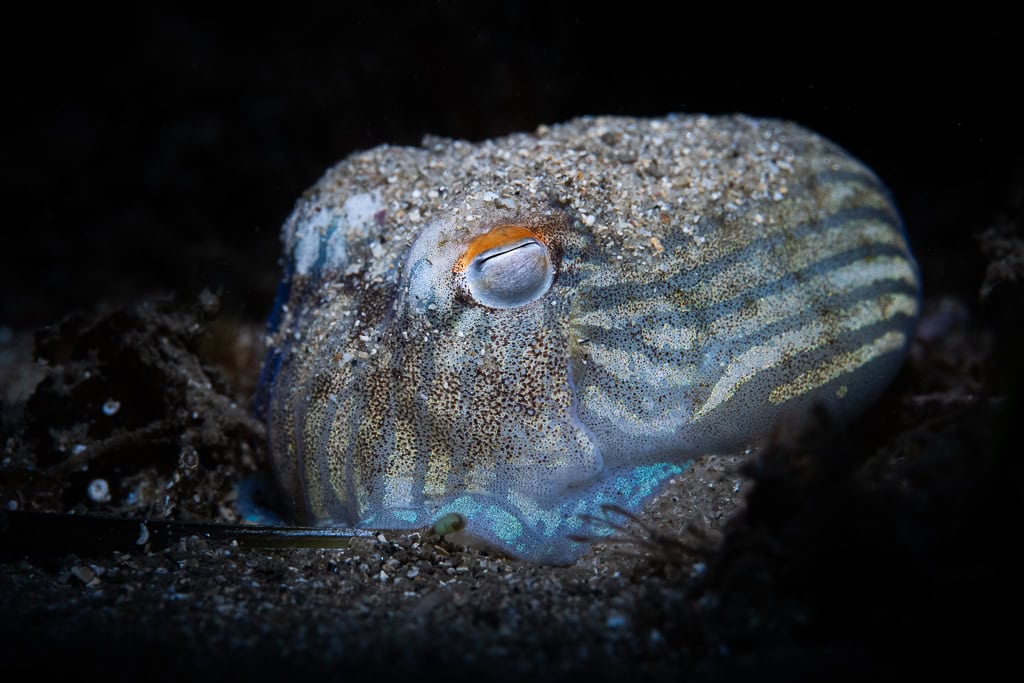
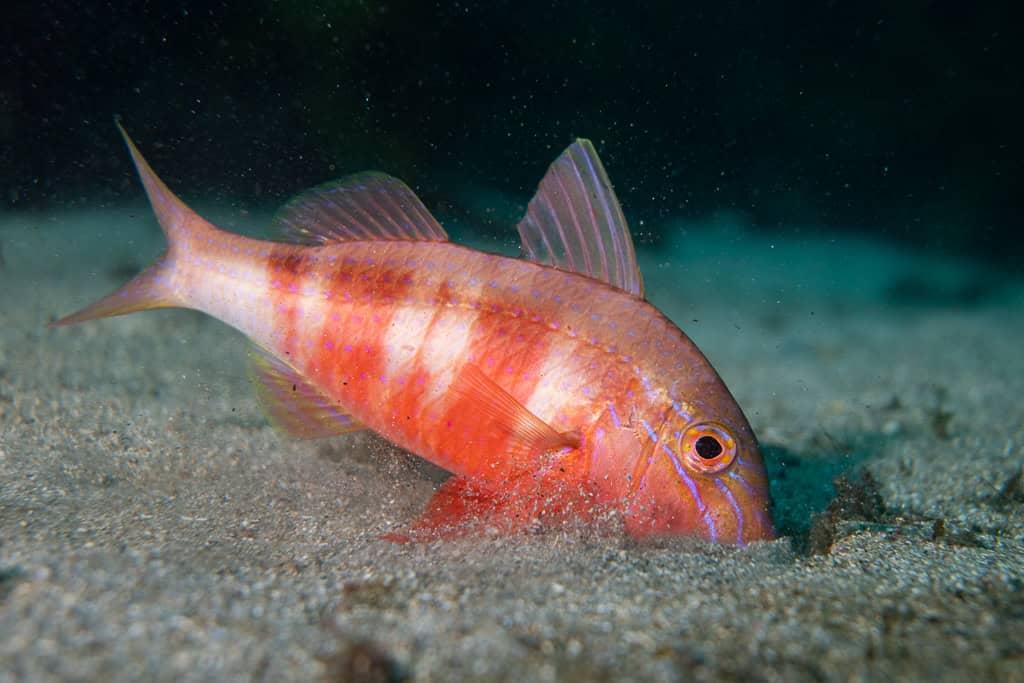
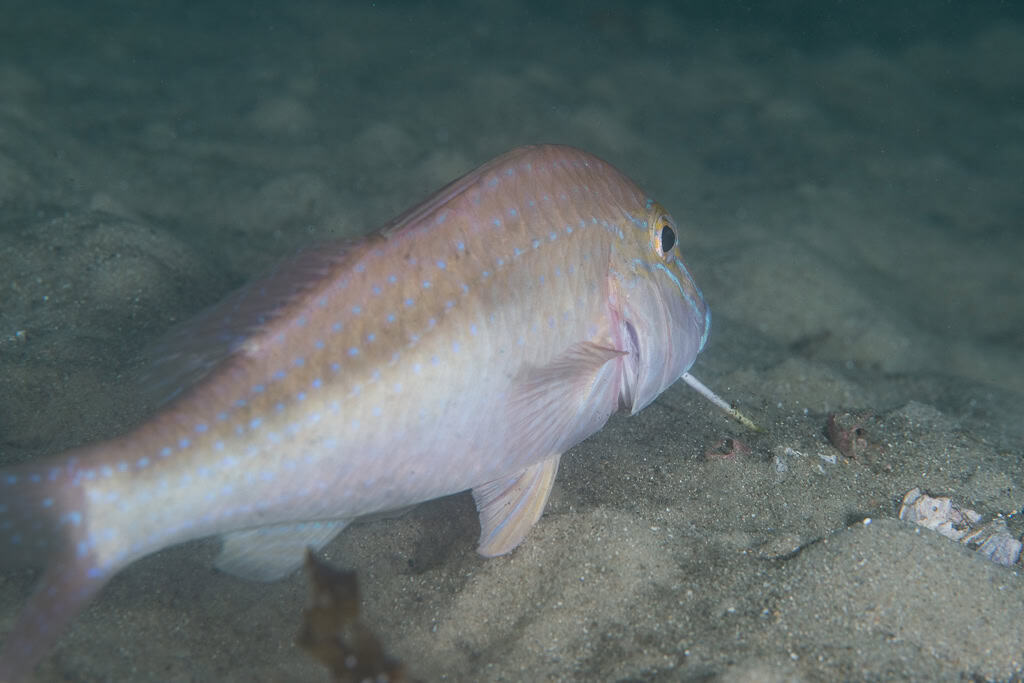
First, the animal detection feature, which I had activated most of the time, seemed to recognize marine life more often on the Z9. Of course, if you read the Z8 and Z9 manuals, neither camera is supposed to recognize fish: they are designed for dogs, cats, and birds. However, as I explain in my detailed review of the Z9, it sometimes happens that the Z9 picked up fish and cephalopods, and when it did, it saved me from having to move the focus onto the subject. This behavior was unpredictable on the Z9: on one dive in specific conditions, it would recognize the goatfish, and on another, it would not, but clearer waters and brighter ambient light seemed to help. It took me a few dives to be sure, but the Z9 was noticeably better at detecting marine life and automatically catching the eye.
Secondly, tracking in AF-C 3D mode seemed a bit less performant on the Z8 than on the Z9. Both cameras are far better than DSLRs, but if I had a comparison scale from 0 to 10, the D850 being a 5/10 and the Z9 a 10/10, I’d rate the Z8 at 9/10. Note that I set the Z8 and Z9 at level 3 and in ‘Erratic’ mode in the a3 menu (AF Tracking with Lock-On), which means both cameras can be configured to further increase autofocus efficiency.
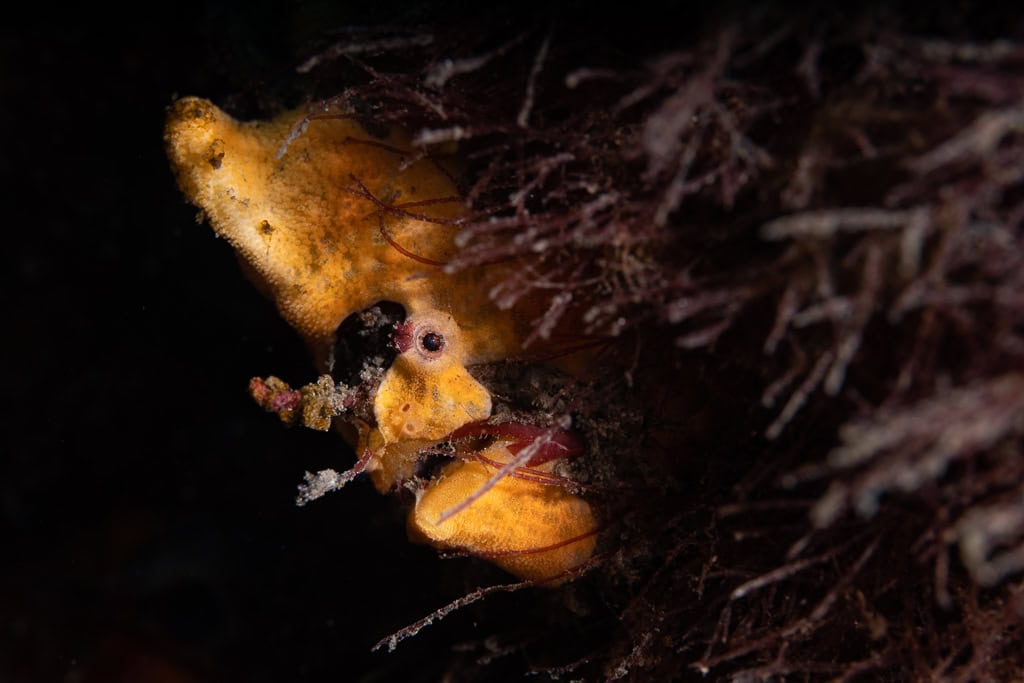
The Nikon mirrorless cameras have macro lens options in both short (Z 50 mm f/2.8) and long (Z 105 mm f/2.8) focal lengths, but the front element of the former extends during focusing, making it less suited to use behind a flat port. However, most underwater housings, including Nauticam’s NA-Z8, can accommodate Nikon’s FTZ/FTZ-II adapter, allowing the use of the F-mount AF-S 60 mm lens on a Z-mount camera like the Z8. During my tests, I used both the AF-S 60 mm and the Z 105 mm macro lenses.
Nikon Z 105mm Macro
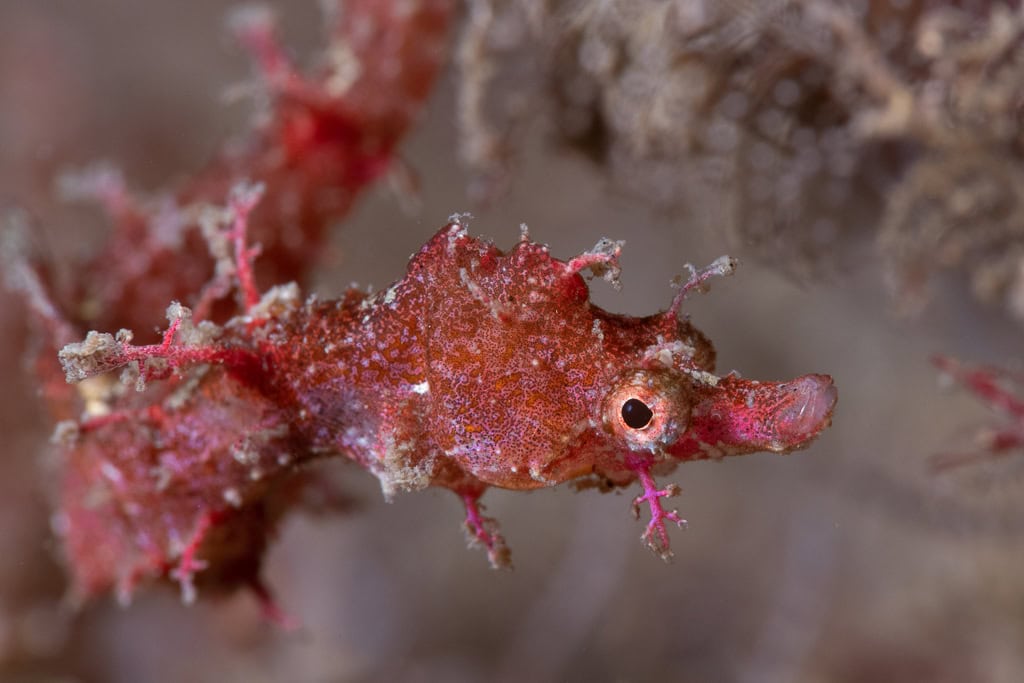
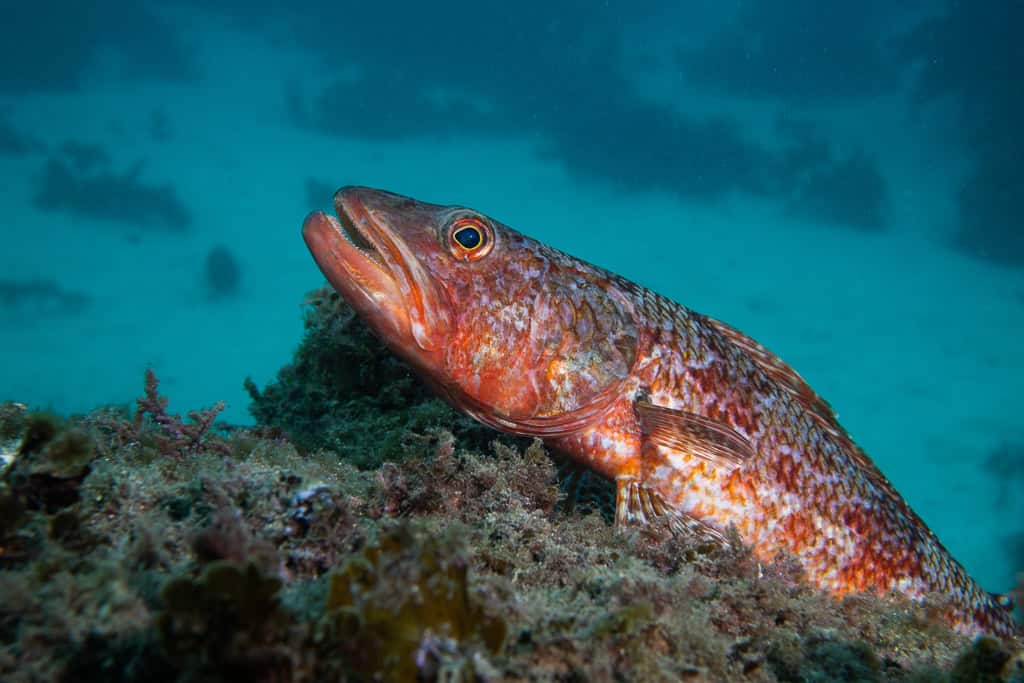
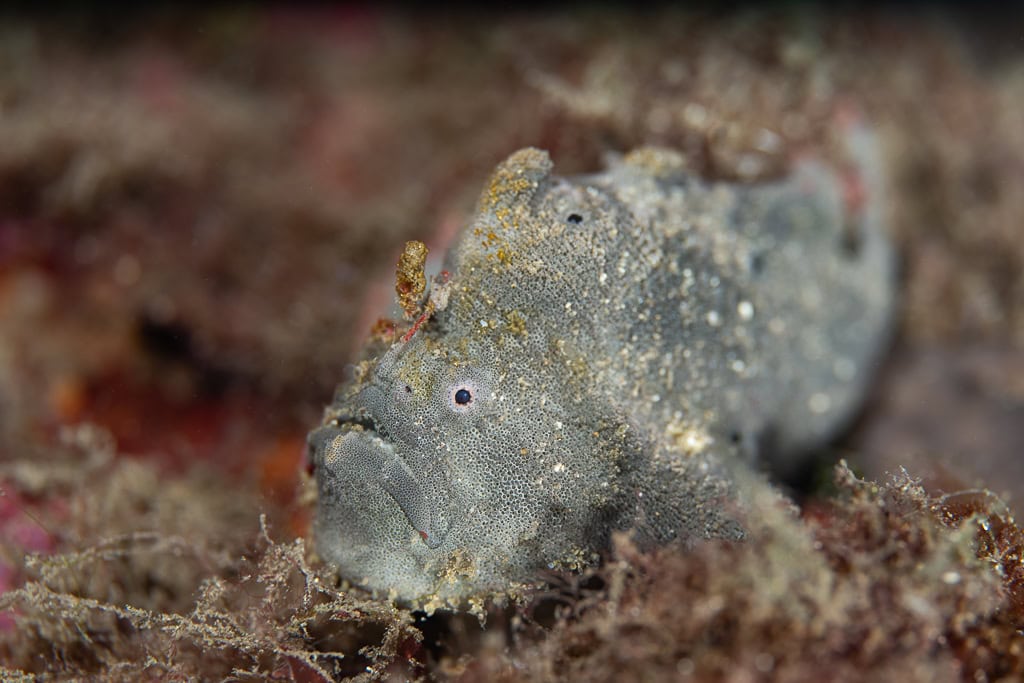
As I wrote in my review of the Z9, I love the Z 105 mm lens. It is sharper than its 2006 F-mount predecessor while being faster and more responsive, thanks to its dual internal motors. It also focuses a bit closer than the AF-S 105 mm f/2.8 (29 cm versus 31 cm) while offering a 1:1 magnification. The Z 105 mm mount pairs very well with the Z8, making it a very capable fish portrait machine.
The 60 mm F-mount macro lens still plays an important role in my gear, as it offers the same 1:1 magnification at a reduced working distance (19 cm). It allows you to get closer to accessible subjects, reducing backscatter and making monitoring easier. Back in the DSLR days, I would choose the AF-S 60 mm over the AF-S 105 mm for one of these reasons: low visibility, bigger subjects, or moving subjects. The last reason was because the AF-S 60 mm’s autofocus was faster than the AF-S 105 mm, but now that the Z8 focuses so well with the Z 105 mm, this reason no longer applies, and I find myself using this macro lens more frequently.
I wish I had time to do some ‘black water’ diving with the Z8, but at least I spoke with Fabien Michenet, one of the best ‘black water’ photographers. With the AF-S 60 mm, Fabien told me he found the AF-C 3D tracking worked very well on ‘black water’ subjects, whereas he couldn’t trust this autofocus mode with the D850, with the 60 mm and had to rely on central point AF. Given how effectively the Z8 pairs with the AF-S 60 mm and the Z 105 mm, I’m eager to try both lenses when I finally do some ‘black water’ dives.
Wide angle lenses
When I was testing the Z9, the only wide-angle lens I had the opportunity to shoot with was the Nikon AF-S 8-15 mm fisheye zoom, and I often found myself switching to DX mode when subjects were too shy for its 180-degree field of view. I was therefore very happy to try a rectilinear zoom choice with the Z8, namely the Z 24-50 mm f/4-6.3, along with the dome Nauticam Wet Wide Lens (WWL-C).
The AF-S 8-15 mm fisheye is a proven performer in the underwater world: sharp, accurate colors, and usable behind relatively small domes (I used the Nauticam 140 mm glass dome). As expected, it works wonderfully with the FTZ-II adapter, but I can’t help but think I’m unnecessarily carrying two lenses in one: a 15 mm fisheye and an 8 mm fisheye, I’d prefer to have a lightweight and fixed 15 mm fisheye for the Z mount.
Nikon Z 24-50 mm and Nauticam WWL-C Dome
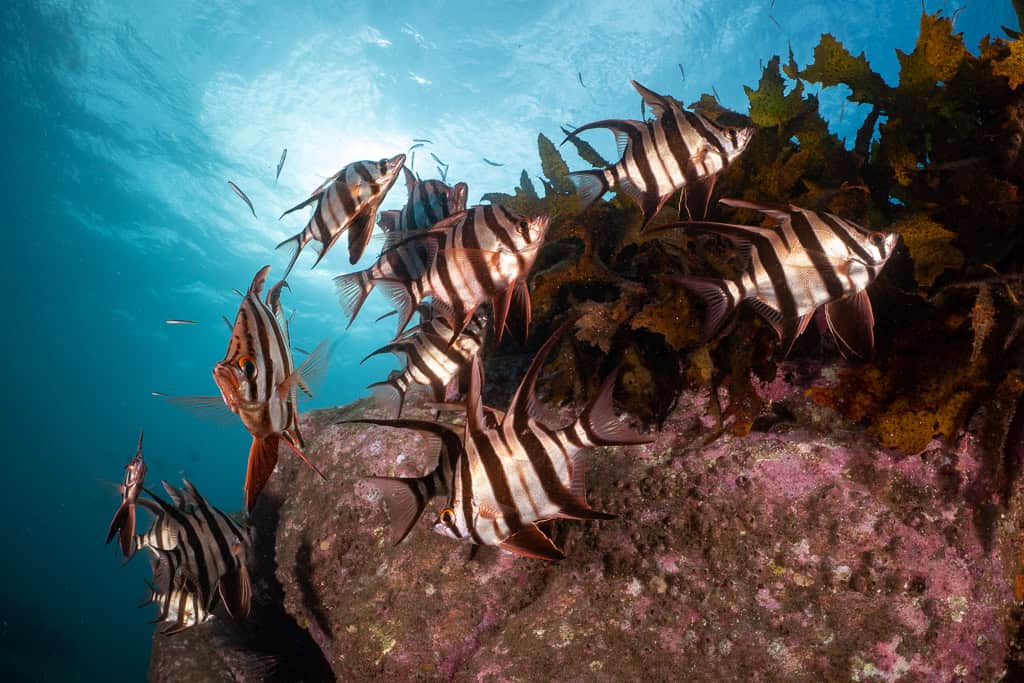
Sometimes a fisheye is simply too wide, but getting good image quality on a full-frame rectilinear wide-angle zoom comes with a significant weight and size downside, namely the need for a 2.8 kg 9″ glass dome or a water-corrected wet dome like the WACP-1, weighing 3.9 kg! At least that was the case on a DSLR… But it turns out Nauticam’s WWL-C, their most compact wet wide-angle lens, weighing just 1 kg, works very well with the very affordable Nikon Z 24-50 mm f/4-6.3. Moreover, the entire range of the zoom lens is usable with the WWL-C, providing a versatile field of view from 81° to 130°. This covers an exploitable part of the zoom range of the popular Tokina 10-17 mm (180°-100°) and extends a bit further, for the wary subjects for which you would have added a Kenko 1.4x converter on the Tokina.
When an even narrower field of view was needed, I could unclip the WWL-C from the front of my flat port (which barely extends from the NA-Z8 housing), attach it to one of my strobe arms, and shoot shy medium-sized subjects; the Z 24-50 mm focuses minimum to 35 cm throughout the zoom range.
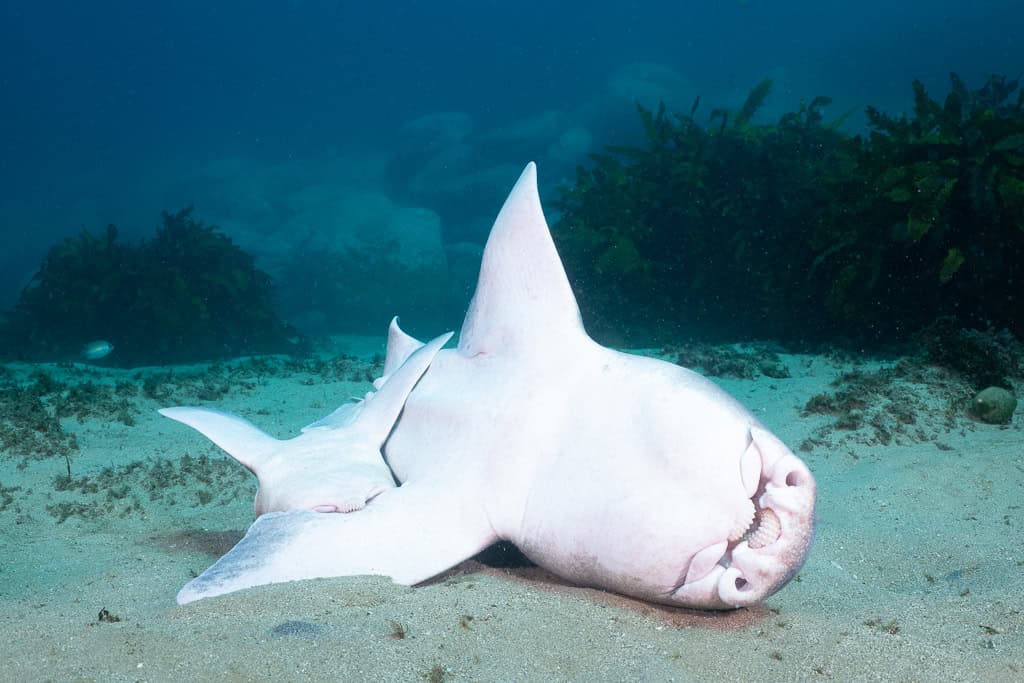
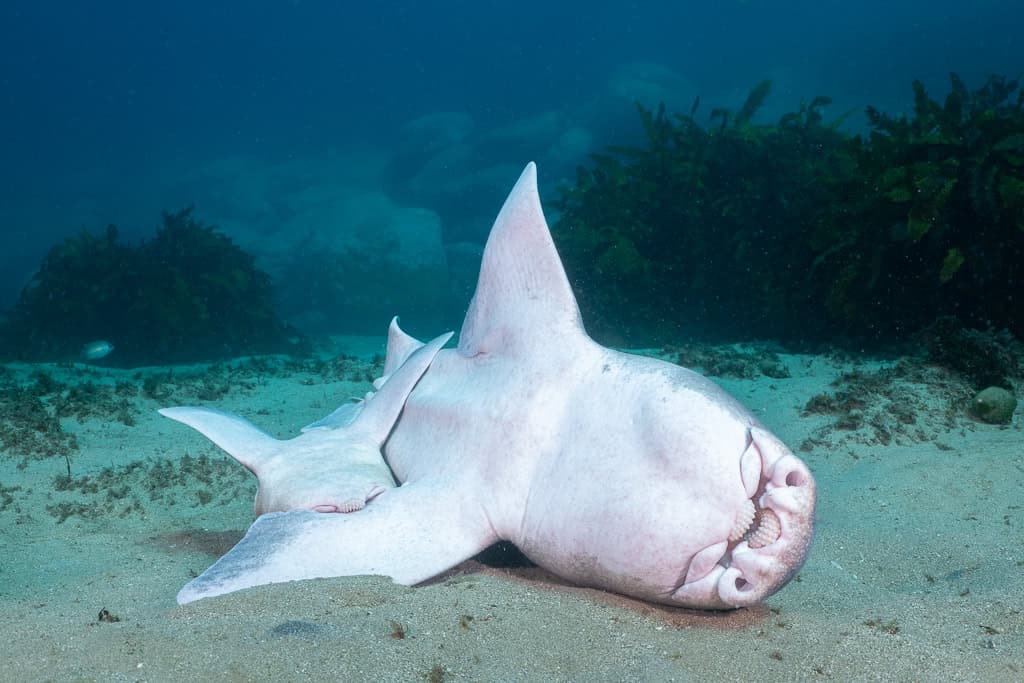
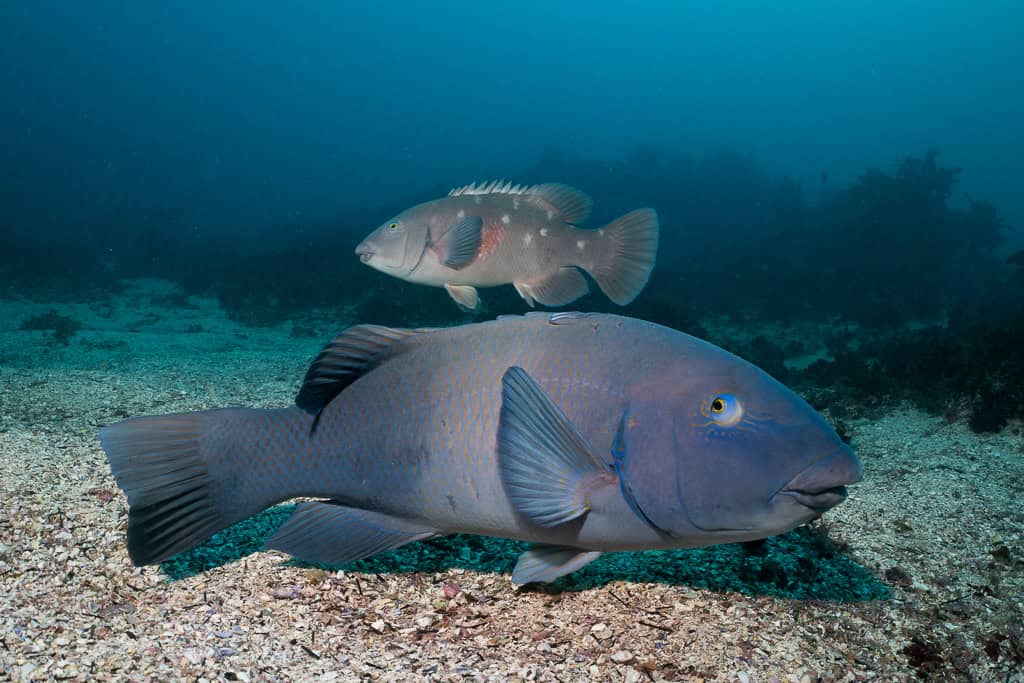
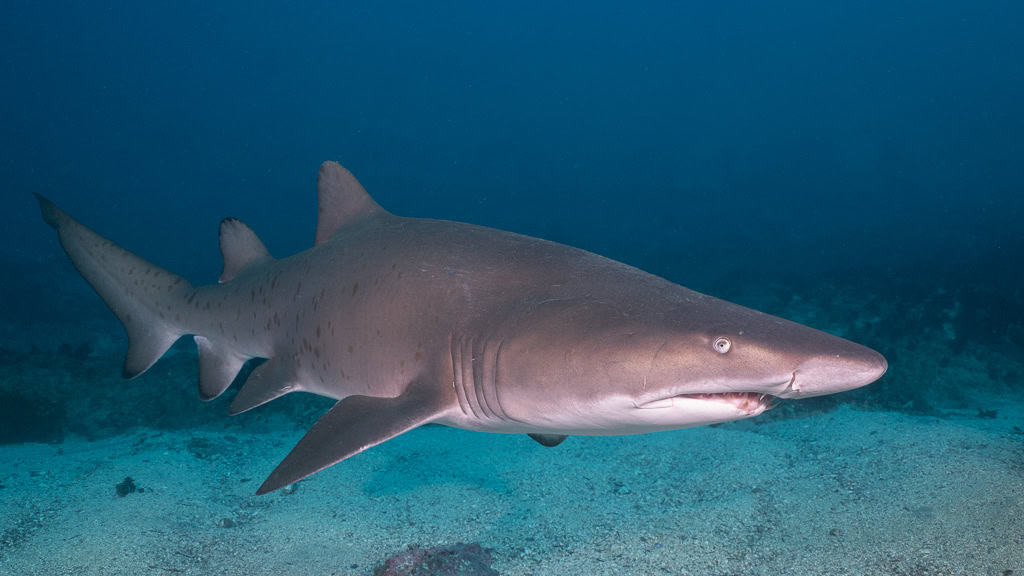
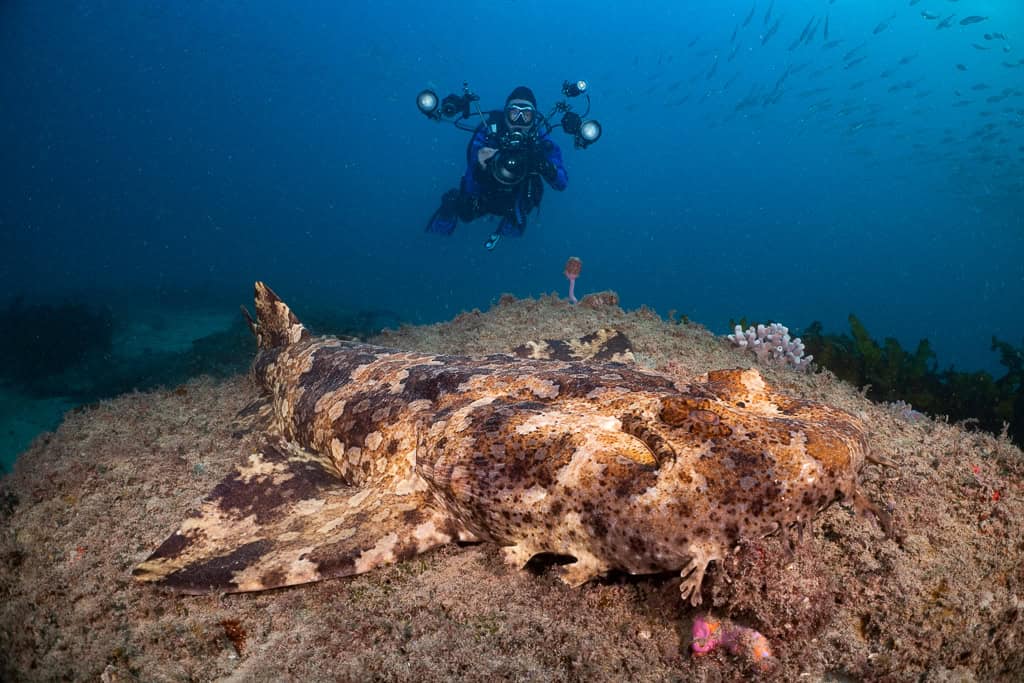
The WWL-C dome is one of Nauticam’s water-corrected optics, meaning it is designed to optimize image quality in the presence of water, which, as we know, diffuses light, reduces colors and sharpness. According to Nauticam, the Z 24-50 mm/WWL-C combo provides sharper images than a full-frame fisheye and a dome! I haven’t conducted rigorous comparison tests in a pool, but I’ve photographed Port Jackson sharks with both setups and found the WWL-C images at least as sharp as those from the AF-S 8-15 mm zoom with a 140 mm dome, at the same apertures. For close-focus wide-angle shots, I enjoyed using the WWL-C at f/13-f/14, and I was happy to open up to f/8-f/11 for more distant subjects.
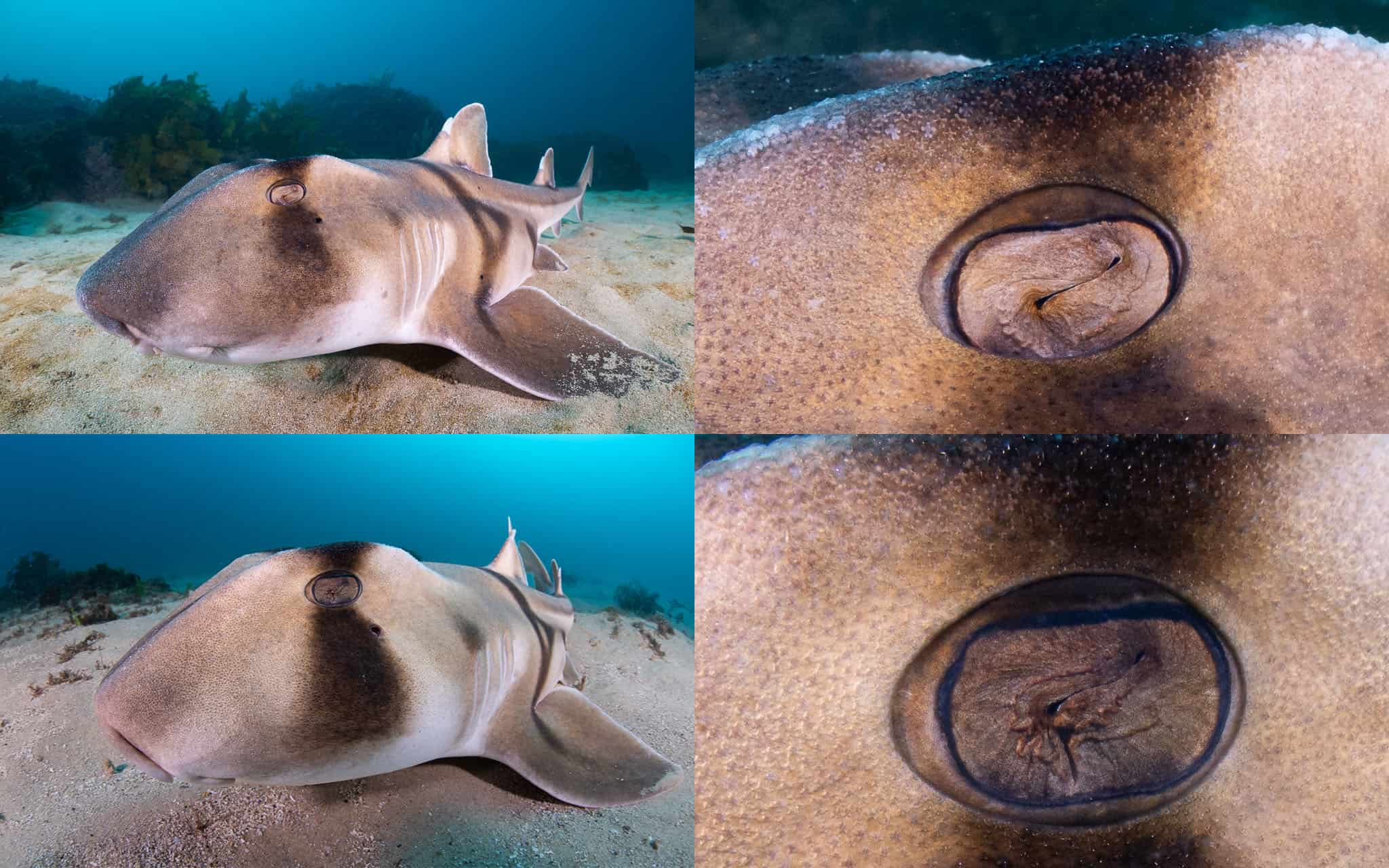
I took quite a few photos of these sharks (currently aggregated in Sydney) and found that both lenses could resolve roughly the same amount of detail on the skin, with a slight edge to the Z 24-50 mm/WWL-C combo. It’s great to have this choice between a compact rectilinear lens and a fisheye, without compromising image quality.
An optimal shooting experience with the Nauticam Z8 housing
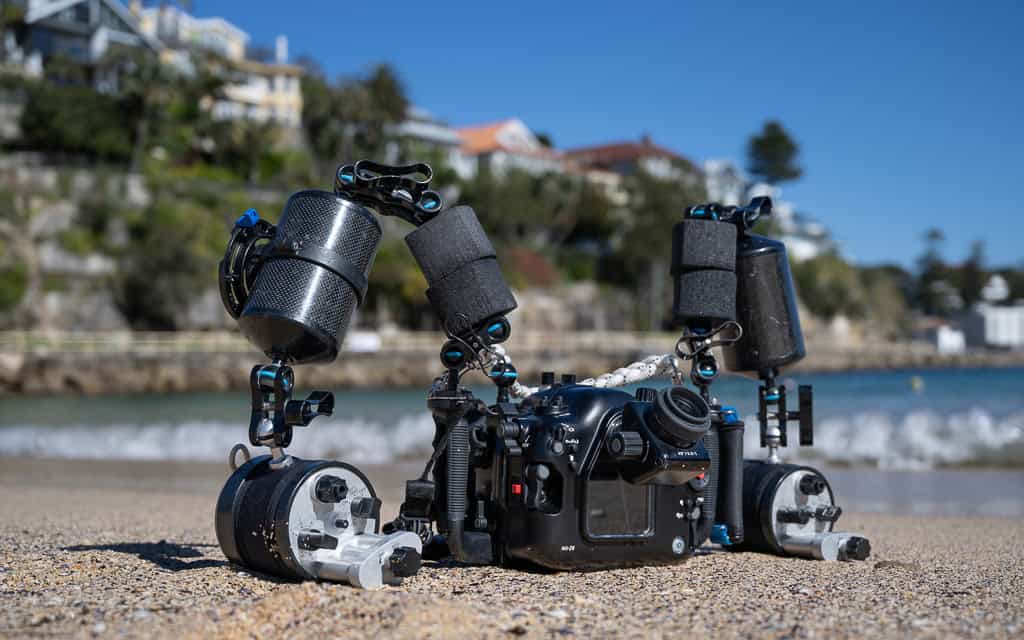
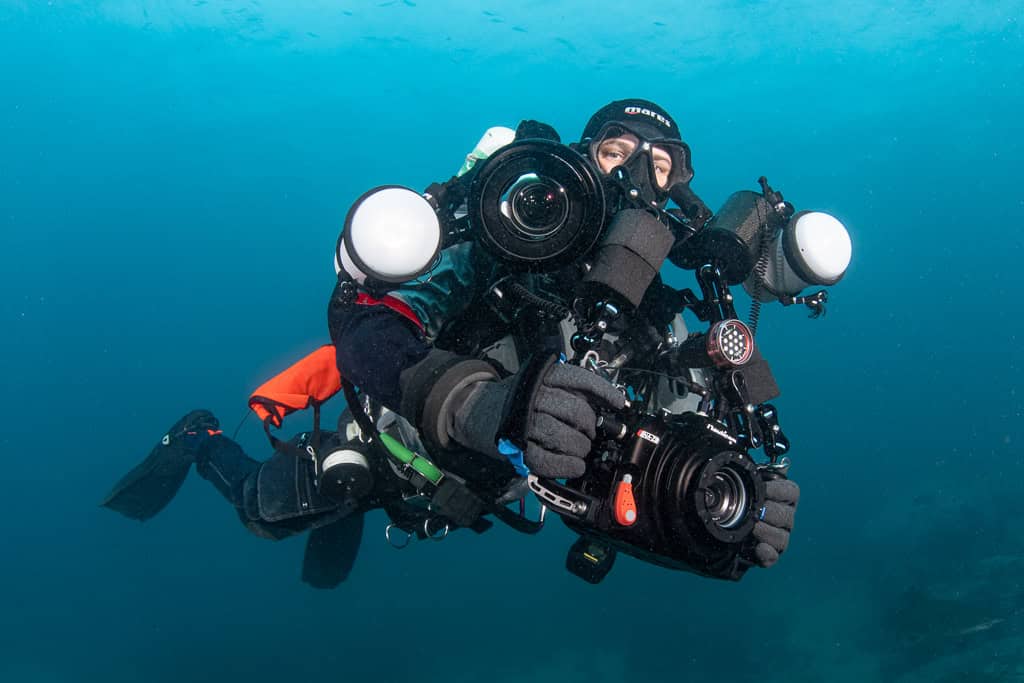
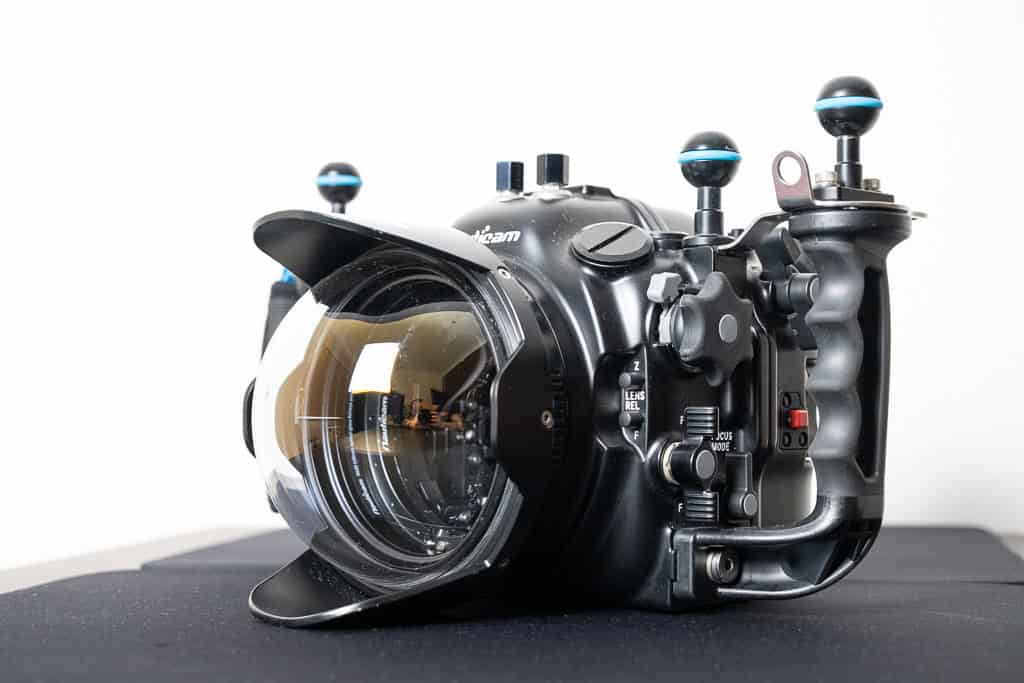
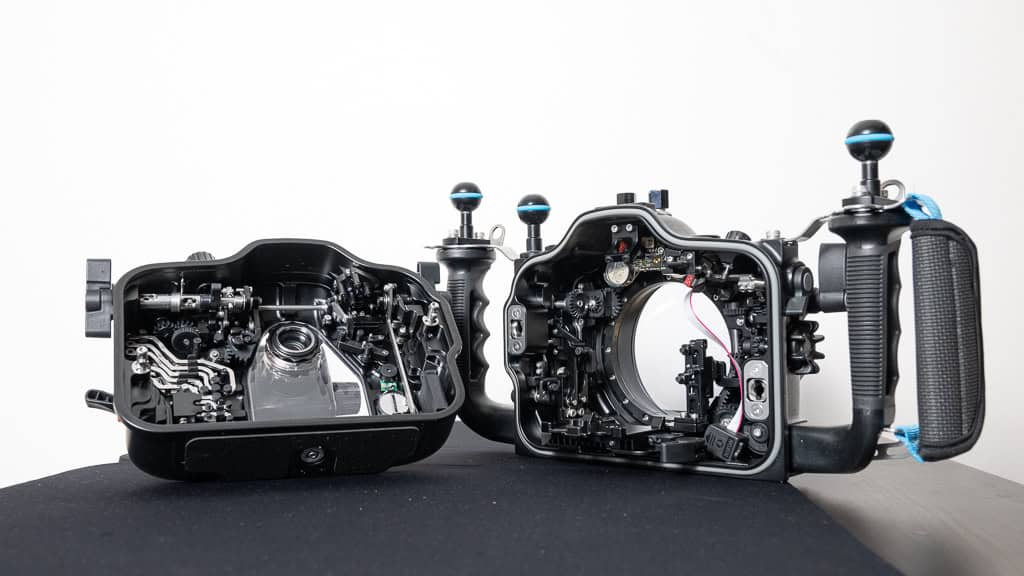
As with all Nauticam housings I’ve used so far (this was the seventh), the NA-Z8’s ergonomics are excellent. The multi-selector ‘joystick’ facilitates moving the AF target among the 493 available locations, and Nauticam’s engineers have managed to place no fewer than eight control levers around the housing grips. It’s an effective design choice: the alternative would have been to implement fewer levers and more buttons, but buttons often require removing a hand from a grip, equating to a loss of efficiency. The Z8 allows shooting faster than a DSLR, and the NA-Z8 housing maximizes this advantage.
The multi-selector ‘joystick’ facilitates moving the AF target among the 493 available locations, and Nauticam’s engineers have managed to place no fewer than eight control levers around the housing grips.
Importantly, the NA-Z8 design allows you to change ports and lenses without having to open the back of the housing. This applies to both Z-mount and F-mount lenses, as there are two separate lens release buttons. Similarly, you can swap batteries without removing the port or dome from the housing.
Nauticam housings come standard with a battery-powered manual flash trigger, which plugs into the camera’s hot shoe and triggers supported flashes via fiber optic connections from two optical bulkheads. These flash triggers usually work perfectly, but I noticed an issue with the flash trigger supplied standard with the NA-Z8 housing.
It worked flawlessly up to 1/160 s, including when firing strobes at 10 fps or even 20 fps, but at 1/200 s (the camera’s maximum flash sync speed), I sometimes noticed a dark band at the top of the image, as if the camera’s maximum sync speed had been exceeded. This was only noticeable with powerful strobes used at the highest powers, such as the Ikelite DS230 and the Retra Pro flash I used for the test, and on scenes lit only by strobe light. If you primarily shoot wide angle with water in the top of the frame, you’re unlikely to notice anything; I didn’t, despite over 500 wide-angle shots at 1/200s with the NA-Z9, which seems to have the same triggering issue.
I reported the issue to Nauticam, who are looking into it, but for now, if you absolutely need 1/200s for macro, then you’ll need a more sophisticated flash trigger that the Z8 « considers » as a connected flash. One possibility is the cNauticam TTL converter for Nikon , which I used for most of this test. I found that using the TTL converter produced correctly lit images at the maximum sync speed of 1/200s, but it couldn’t fully keep up with the fastest bursts, missing three shots out of 10 when shooting at 10-20 fps. Nauticam is also working on resolving this issue through a firmware update for the TTL converter.
Let’s now see how the NA-Z8 compares with other Nauticam housings in the same category.
external dimensions
weight
width with handles
height
depth
housing only
housing + camera + batteries
NA-Z9
361 mm
235 mm
165mm
3.76 kg
5.10 kg
NA-Z8
356 mm
204 mm
163mm
3.40 kg
4.31 kg
NA-D850
360 mm
195 mm
135mm
3.07 kg
4.12 kg
NA-D810
350 mm
208 mm
134mm
2.96 kg
3.84 kg
NA-D500
357 mm
188 mm
134mm
3.02 kg
3.88 kg
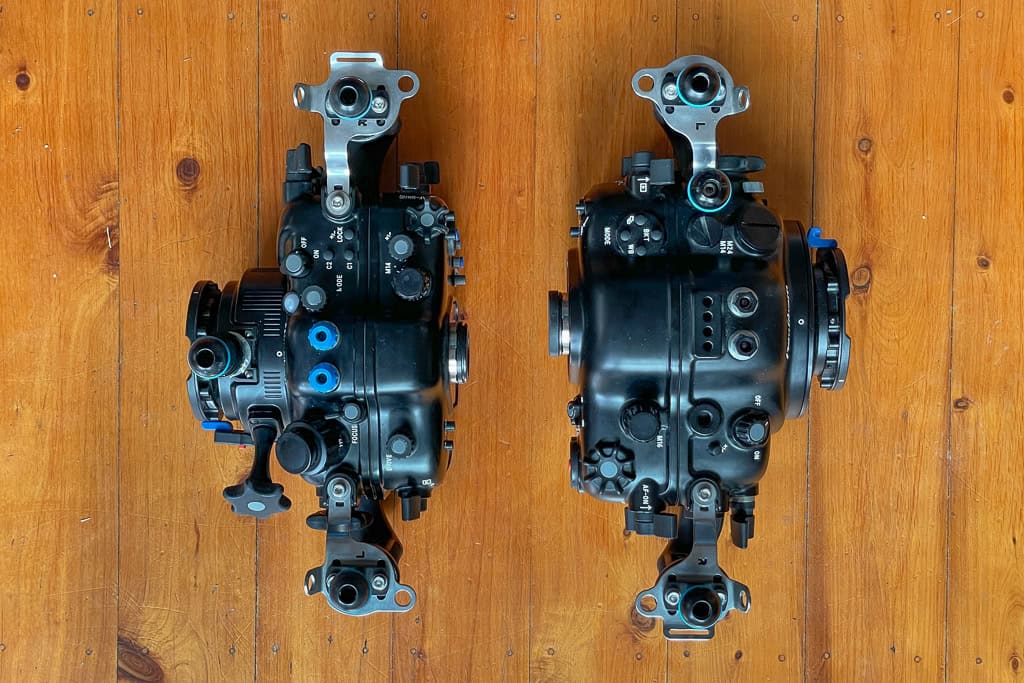
As you can see, the Z8 in the NA-Z8 housing weighs about the same as the D850 in the NA-D850 housing (only 190g more, including camera and battery) and the external dimensions are roughly the same, except for the housing depth, as the Z8 is 28mm deeper, to accommodate the FTZ-II adapter. This design choice means you can continue to use the same ports when transitioning from a Nikon DSLR to a Nikon Z camera, but it makes the new housings a bit bulkier. I would have preferred a slimmer housing, but the NA-Z8 still fits in the top compartment of my Pelican 1637 Air Case, so I don’t really mind.
For those choosing the Z9 or Z8, it’s important to note that the housing port is closer to the seabed on the NA-Z8 by about 3 cm. This will only make a difference during very low-angle shots on the sand.
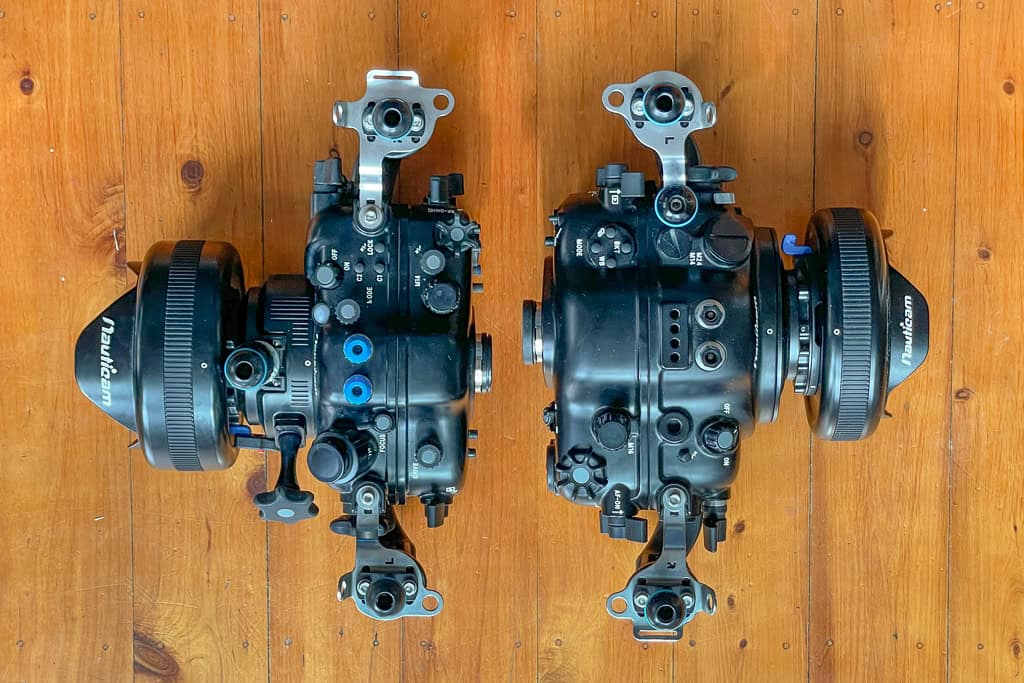
Finally, now that Nikon mirrorless users have a lightweight rectilinear wide-angle option – the Z 24-50mm/WWL-C combo – I was curious to see how it compared to a compact-sized Sony equivalent – the FE 28-60mm/WWL-1B combo – which has been available for years. The Nauticam E-mount housings are smaller than the Z-mount housings (100 mm vs. 120 mm port diameter), but the Nikon port is shorter and the WWL-C is smaller than the WWL-1B. So, what is the final outcome?
Thanks to Sydney photographer Zachary Hudson, who kindly lent me his Sony A1 in the Nauticam NA-A1 housing, I was able to take some measurements to compare the Nikon and Sony systems:
Interestingly, in this versatile wide-angle setup, the Nikon Z8 system is almost as compact as the Sony A1 system and weighs only 0.5 kg more, with all components added: great news for traveling photographers!
Final thoughts
The Nikon Z8 is one of the best cameras on the market, excelling in almost every underwater shooting challenge you could throw at it.
I could have written this statement about the D850 in 2017, but over the past six years, autofocus technology has made significant strides, while mirrorless cameras have gradually matured, closing the gap in viewfinder quality and battery life. Now, things have changed: the electronic viewing experience is so good it has become one of the main reasons for upgrading, along with autofocus and the ease with which you can record professional-quality video.
The Nikon Z8 is one of the best cameras on the market, excelling in almost every underwater shooting challenge you could throw at it.
If you love your D500 and are hesitant to give up the versatile and compact Tokina 10-17mm fisheye, consider the Z 24-50mm/WWL-C combo, which will cover the « wide-angle close-focus end » of the Tokina range. And offer much better image quality. And if a fisheye is really needed, the Nikon 8-15mm remains an excellent option. In any case, you can transform the Z8 into a D500 at the flip of a lever to switch to DX mode.
Impressively, Nauticam has managed to convert eight of the Nikon Z8’s controls into ergonomic levers, located near the handles of its NA-Z8 housing, giving you plenty of options to take ownership of the camera. Overall, the Nikon Z8/Nauticam NA-Z8 pair will allow you to create images faster and with a higher success rate than the D850 and D500 could ever manage, as well as open the door to much higher-quality video recording, if that’s something you wish to pursue.
So, is the Z8 the best Nikon underwater camera at the moment? Well, it depends: if size, weight, and cost are not an issue, I would suggest considering the Nikon Z9, which scores a bit higher in autofocus tracking (animal detection being surprisingly useful for marine life) and lasts about 2.5 times longer. But, this housing is a big and heavy beast! Most underwater photographers will find the Nikon Z8 to be the right choice. Either way, whether you opt for a Z8 or a Z9, you’ll find it to be the best Nikon camera you’ve ever used underwater.
Nicolas Rémy is a professional photographer based in Australia and founder of the online underwater photography club and school The Underwater Club. His images have been widely published in print and digital media and have won over 35 international photography awards . Nicolas wishes to thank Nauticam for providing his NA-Z8 housing for the Nikon Z8 and various accessories and Nikon Australia for supplying the Z 105mm f/2.8 fisheye lens, Z 24-50mm f/4-6.3 and AF-S 8-15mm used in this review.