


Exploring the Wrecks of Lake Superior: Technical Dives and Thrills
By Sébastien Pelletier
Photos: Ron Benson, Jitka Hanakova, Terry Irvine, Sébastien Pelletier, Jean-Pierre Richard, Sébastien Savignac, and Becky Schott.
Mapping: Sébastien Pelletier
Introduction: Diving into the Past of the Great Lakes
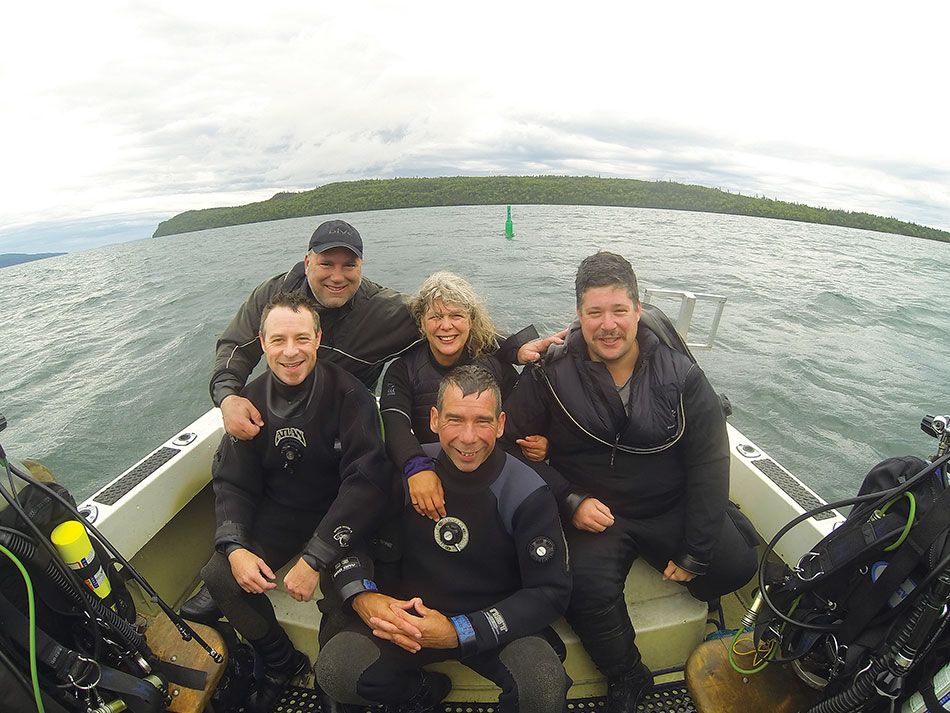
North America’s Great Lakes, true inland seas, are full of fascinating wrecks that delight the most adventurous divers. The Technical Wreck Divers of Quebec (TWDQ) recently set sail for Lake Superior to explore some sunken treasures, in an exceptional natural and historical setting. These often remarkably preserved maritime relics offer a unique emotion with every dive, combining heritage discovery and human adventure.
The Great Lakes: A Unique Submerged Heritage
The five Great Lakes alone hold nearly 20% of the Earth’s surface freshwater, stretch over thousands of square kilometers, and reach, with Lake Superior, a maximum depth of 406 meters. With an area of approximately 83,000 km²—143 times that of Lake Geneva—Lake Superior embodies the grandeur of the North American continent on its own.
Navigation on these lakes was, well before the era of road transport, a central element of the regional economy. Unfortunately, it also came with countless tragedies: November storms, human errors, commercial pressure, fog, ice, and shoals are the cause of thousands of shipwrecks. Today, this drama of another time has turned into a vast underwater museum for divers, where each wreck offers a fascinating window into maritime history.
Wrecks by the Thousands: The Legacy of the Great Lakes
Before the advent of the modern road network, the transport of goods was mainly carried out on the waters of the Great Lakes, which formed the vital heart of a vast liquid highway leading to the American Great Plains and Canadian Prairies. The topography of the area, marked by more than 100 m of elevation difference between the east and west, required the construction of canals, locks, and ports from the 19th century onwards. While this allowed for tremendous economic development, the price was high: over 5,000 wrecks, ranging from traditional schooners to gigantic « laker » bulk carriers over 300 meters long.
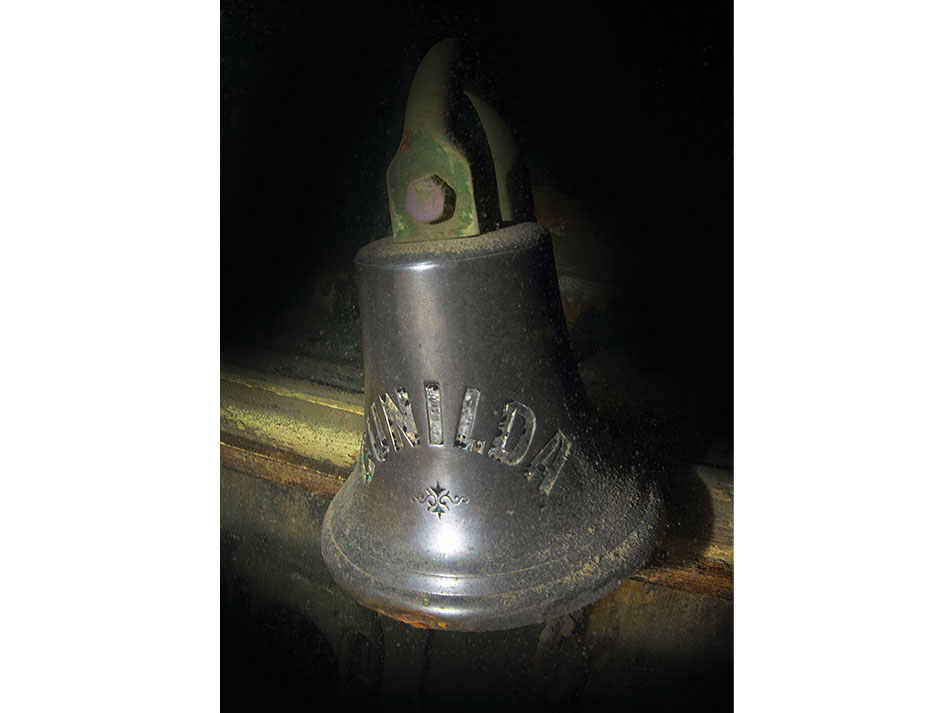
The causes of these shipwrecks are multiple: legendary storms—those “ gales of November ”—, thick fogs, winter ice, unpredictable shoals, and the frantic pace imposed by shipping companies. Many crews had to battle against nature late into the season, leaving behind true time capsules, beautifully preserved by the cold freshwater.
Did you enjoy this excerpt?
Read the full article.
READING TIME ≈ 8 min
Dive into the heart of the PLONGEZ! Magazine
To enjoy this article and its exclusive content, a modest contribution is required.