


The world’s largest fish is among the threatened giants. As its populations continue to decline around the globe and its lifestyle remains largely unknown, associations and scientists are mobilizing for its preservation. Their efforts intertwine, providing concrete elements to sound the alarm. Here are three examples illustrating this struggle.
In Nosy Be, North of Madagascar
At the end of 2022, after two years of interruption due to the Covid crisis and border closures, the team of the Madagascar Whale Shark Project returned to Nosy Be, in the north of the island. Although observations were slightly lower than those of 2019, 107 whale sharks were still recorded in 2022.
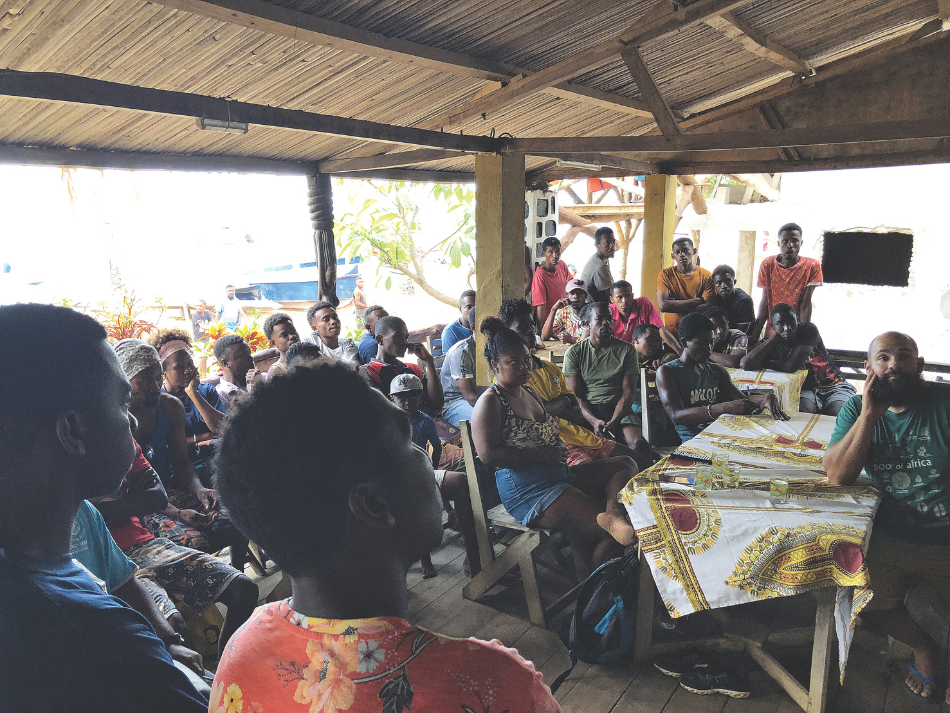
Stella Diamant, founder of the project, states: « Our mission is twofold. On one hand, we collect data to advance science; on the other, we raise awareness among local populations and tour operators about the necessity of preserving these creatures. » Maritime attendance has increased over the past decade, with many diving clubs and excursionists. It is therefore essential to establish approach rules to minimize disturbances and avoid collisions.
A ministerial decree is being prepared to regulate this practice. Stella adds: « We are also planning large-scale training sessions for operators, including cetacean approach charters. » An online course has been created to prepare them. « Tourists must also demand that the rules are respected. Everyone has their share of responsibility. »
Since 2016, the foundation has been collecting data on a population of young whale sharks, aged 15 to 30, who find their food in these warm waters between September and February.
Did you enjoy this excerpt?
Read the full article.
READING TIME ≈ 5 min
Dive into the heart of PLONGEZ! Magazine
To enjoy this article and its exclusive content, a modest contribution is required.