


If you follow the news of the sea and oceans, you have inevitably encountered the controversy surrounding marine protected areas and their shortcomings in terms of biodiversity conservation. The topic leaves no one indifferent, with supporters of enhanced, even total, protection, and local stakeholders, whether maritime professionals or simple users, clearly expressing their position. It is not so easy to have an objective opinion on the subject, as discussions can sometimes be divisive. They eventually push you to take a side, creating oppositions that go beyond the framework of a constructive debate.
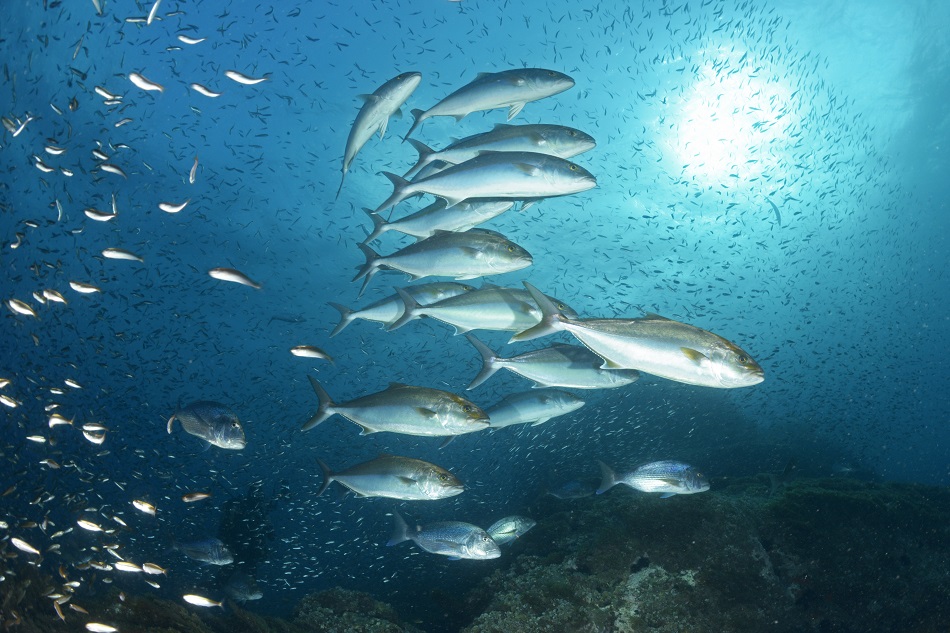
In the Mediterranean, we have numerous MPAs with varying statuses. Their objectives and regulations are not always understandable for a user, and sometimes even for a professional. This situation can be regrettable. But these areas, which display an objective of biodiversity protection while aiming for compatibility with usage, do indeed exist. It is an asset that must be recognized, without ignoring the inherent difficulties of these zones.
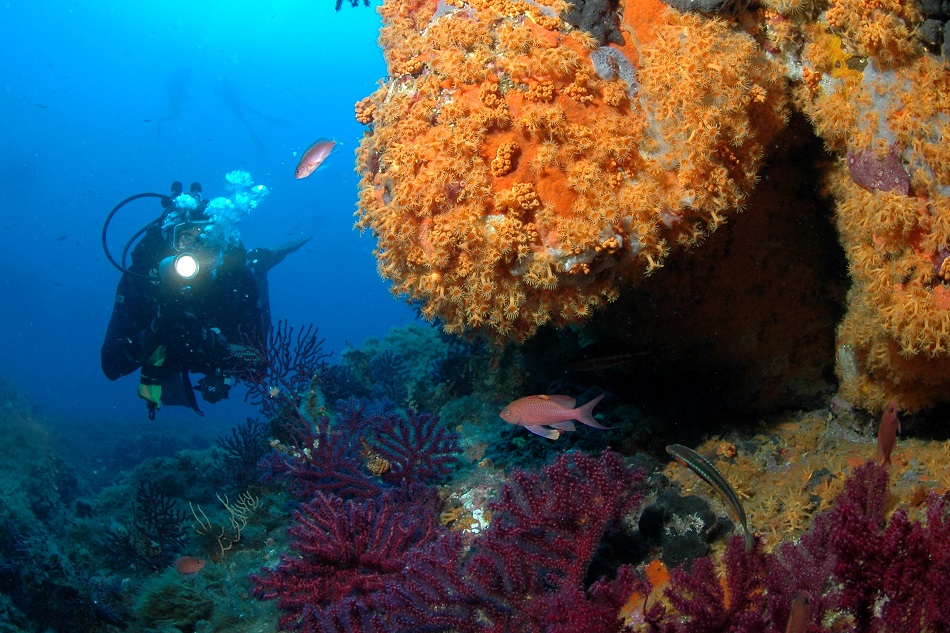
With a little hindsight, we could also imagine a time when none of these spaces existed. We would probably be many to urgently demand the creation of marine protected areas. Protected. This is undoubtedly the term that lends itself to confusion and is misused in the context of our 11 types of marine areas. A Natura 2000 site is a marine protected area. In fact, it is more of a sector with an ambition of local management aiming for a balance between human activities and the natural environment, and sometimes even just a management plan without operational implementation. The Thau lagoon is also a marine protected area, despite its aquaculture and shellfish farming activities that strongly shape the ecological landscape of the lagoon.
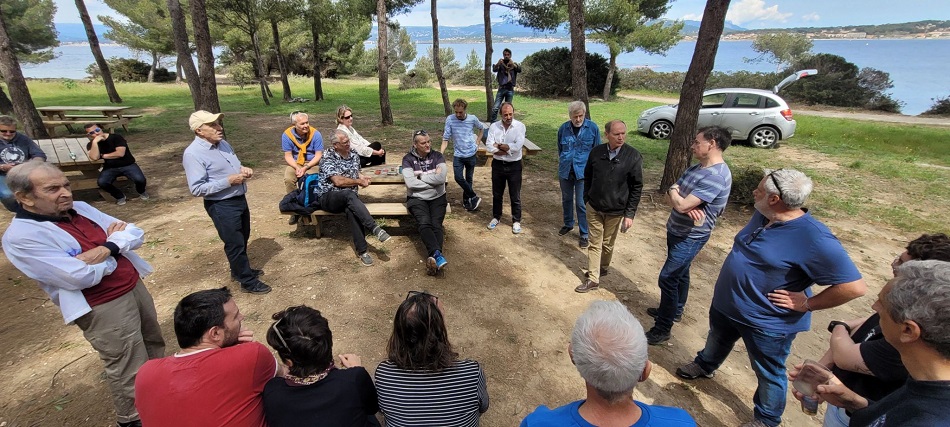
The notion of 30 – 30.
30% of our sea and marine protected areas by 2030. So. But what do we do with the remaining 70%, that is, the majority of our marine waters?
We all agree that these 70% deserve quality marine water, without pollution, without usage conflicts, with biodiversity in balance with our maritime and leisure activities, and a living environment where residents can thrive with their feet in the water, looking out to sea. That seems normal and legitimate. In fact, it is the very essence of European regulations, which aspire for quality marine water and support for the economy for all maritime fronts. It is also reflected in the regulations in favor of posidonia, which apply to our entire coastline, not only in marine protected areas.

Ultimately, the ambitions for these areas are aligned with those one might have for a marine protected area. Therefore, it is undoubtedly necessary to carefully consider the place and role of marine areas. It is not about making marine areas a « normal » or « mundane » level of management, pushing us to consider the rest of our coastline as a territory where a degraded situation can be tolerated. It is about aiming for excellence everywhere and a form of reinforced excellence in marine areas. If that is the goal, then this form of excellence cannot apply to the entire territory nor to all forms of marine protected areas. It is undoubtedly on this aspect that the debate should be open.
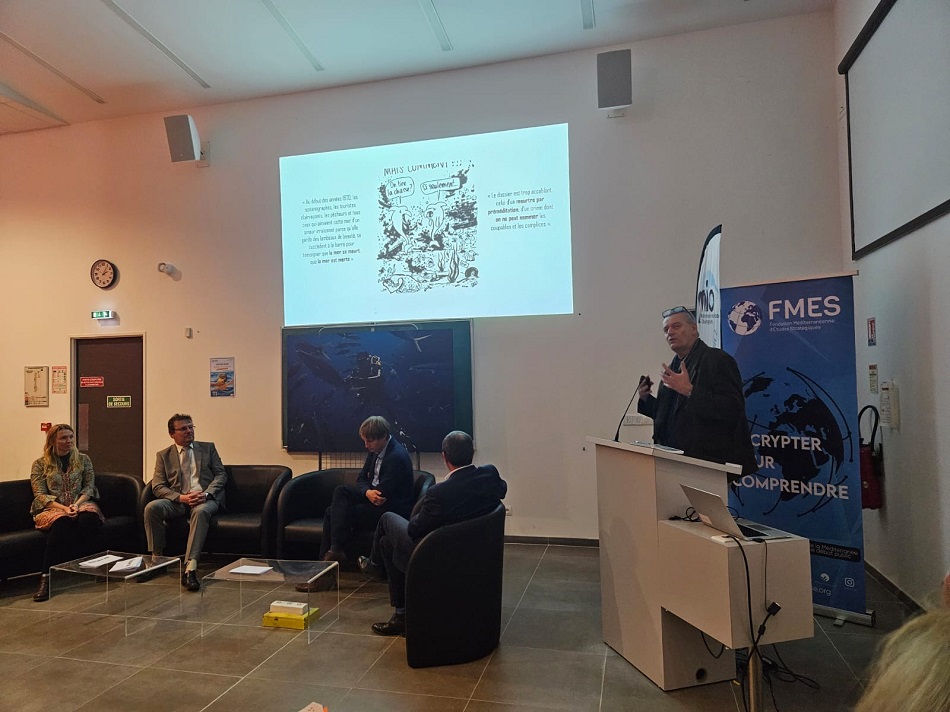
The symposium on new challenges for the Mediterranean, organized by FMES, addressed the issue of marine protected areas with a willingness to propose solutions. These proposals will soon be edited and presented to the UNOC in June. The importance of marine protected areas was emphasized, as well as the need to evolve their national typology, so that the term “protected” truly refers to a complete mastery of pressures, with the objective of enhanced protection of marine biodiversity.
Pierre Boissery