


Since the 60s, Jean-Pierre Joncheray has become one of the main figures in French underwater archaeology. He has participated in numerous excavations and discovered ancient, medieval, and modern shipwrecks. Author of many works on the subject and creator of the journal Cahiers d’archéologie subaquatique, he has dedicated his diving life to these buried remains.
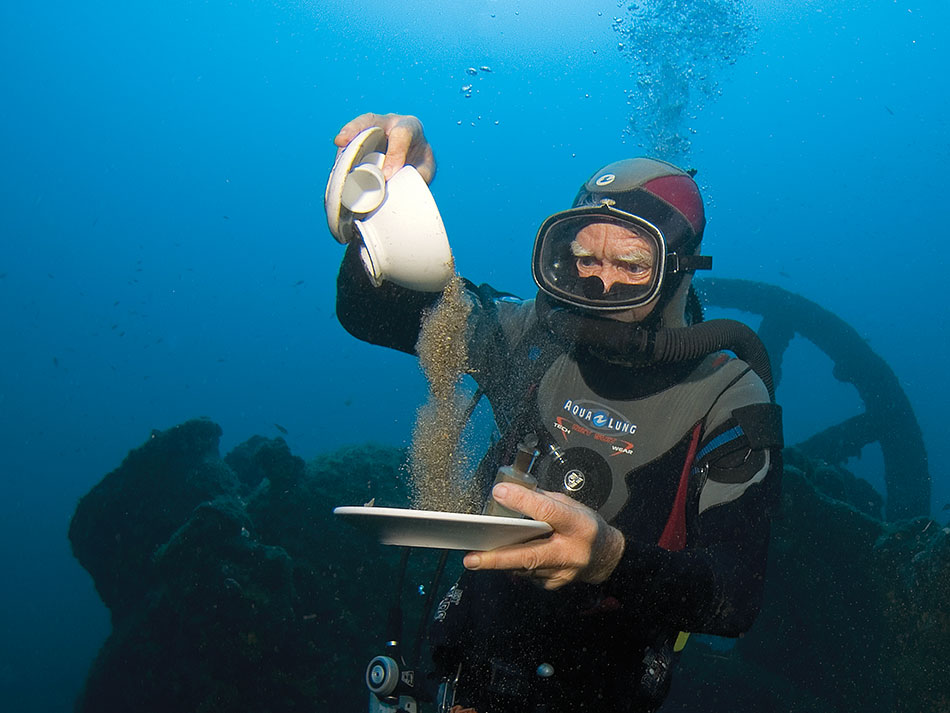
How did you discover scuba diving?
It was through a curious set of circumstances that I discovered scuba diving. At 19, while strolling along the Old Port of Marseille, I stumbled upon the new store of Georges Beuchat. Intrigued, I had the opportunity to dive the next day. At that time, there were only three or four diving structures in the region. During my first dive at 12 meters deep, my instructor went back underwater, leaving me my regulator to explore a bit more solo. It was a time when we did not have depth gauges and our watches were in waterproof cases. So we ascended very slowly, without decompression stops.
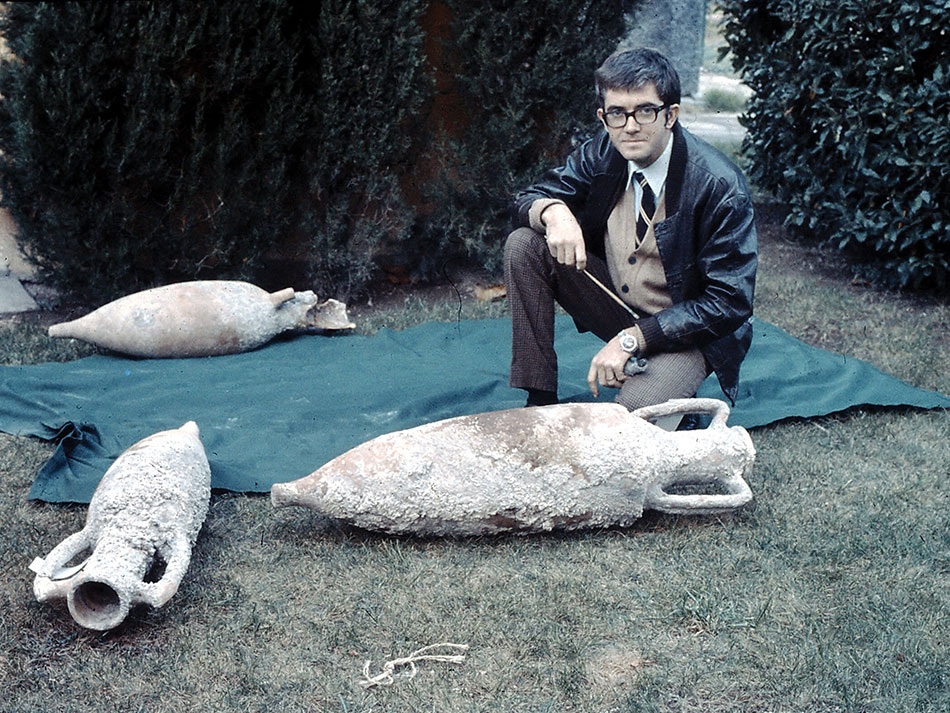
Your first encounter with an ancient shipwreck
During a dive around the island of Frioul, I had my first « encounter » with a shipwreck. By scraping the bottom, I discovered pottery protruding from the sand. Not knowing what it was, I inquired with veteran divers and learned that it was a 2nd-century amphora. That day, I returned to the same spot in search of other objects, and it became a real obsession.
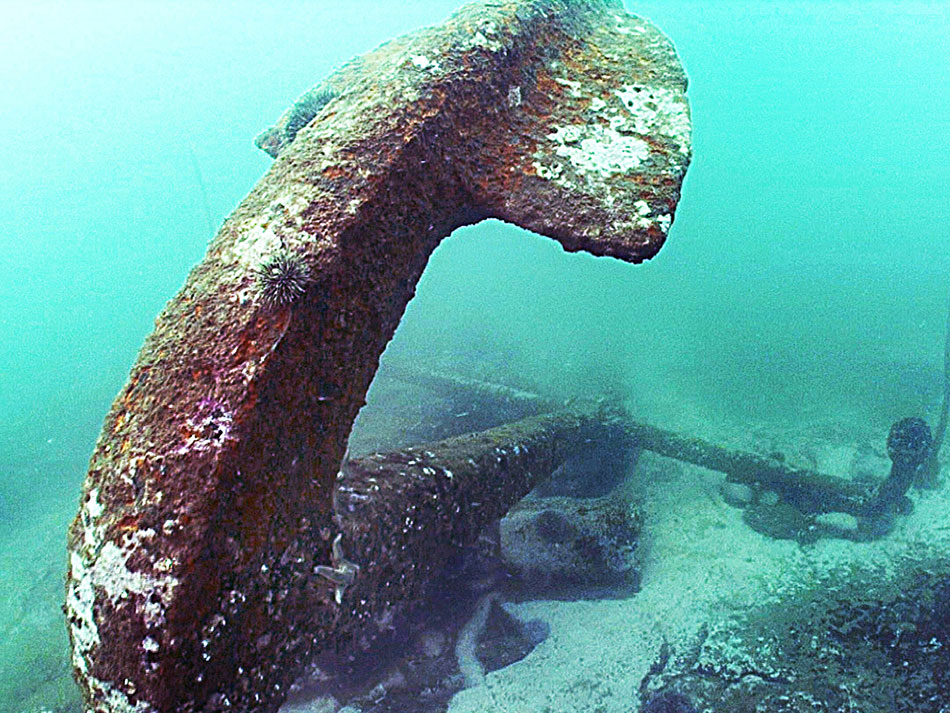
Your journey towards underwater archaeology
Although I am an archaeologist, my path did not go through the university of arts or history. I chose to study pharmacy, which allowed me to earn a living quickly and buy a boat. After my studies, I opened a medical analysis laboratory. Meanwhile, I learned underwater archaeology through books and especially in the field. It was an emerging field where improvisation was often necessary. Over the years, I have seen excavation techniques constantly evolve.
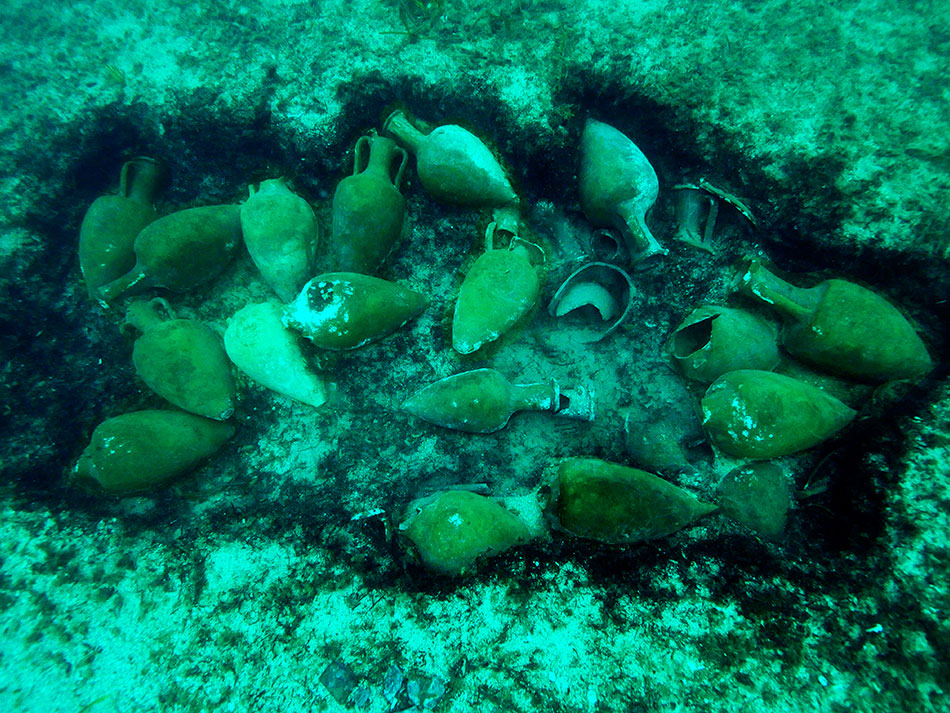
Discovery of a shipwreck in the 60s-70s
In the 60s and 70s, the laws regarding the discovery of shipwrecks were still being developed. At that time, we declared a shipwreck and had the right to keep a third of the items found. We photographed the items, then stamped them with a lead seal before keeping them. It was Malraux’s law. In 1989, Lang’s law changed everything, moving from a permissive system to a strict prohibition of anything not authorized.
Did you enjoy this excerpt?
Read the full article.
READING TIME ≈ 7 min
Dive into the heart of PLONGEZ! Magazine
To enjoy this article and its exclusive content, a modest contribution is required.