


What is the impact of environmental changes on sea lion populations? How do they communicate and recognize each other within a colony? To answer these questions, researchers travel to the southern territories, Alaska, South Africa, Australia, or even Peru. Follow them into the heart of the colonies and discover the mysteries these fascinating marine animals reveal.
Saint-Paul and Amsterdam, Crozet, Kerguelen…
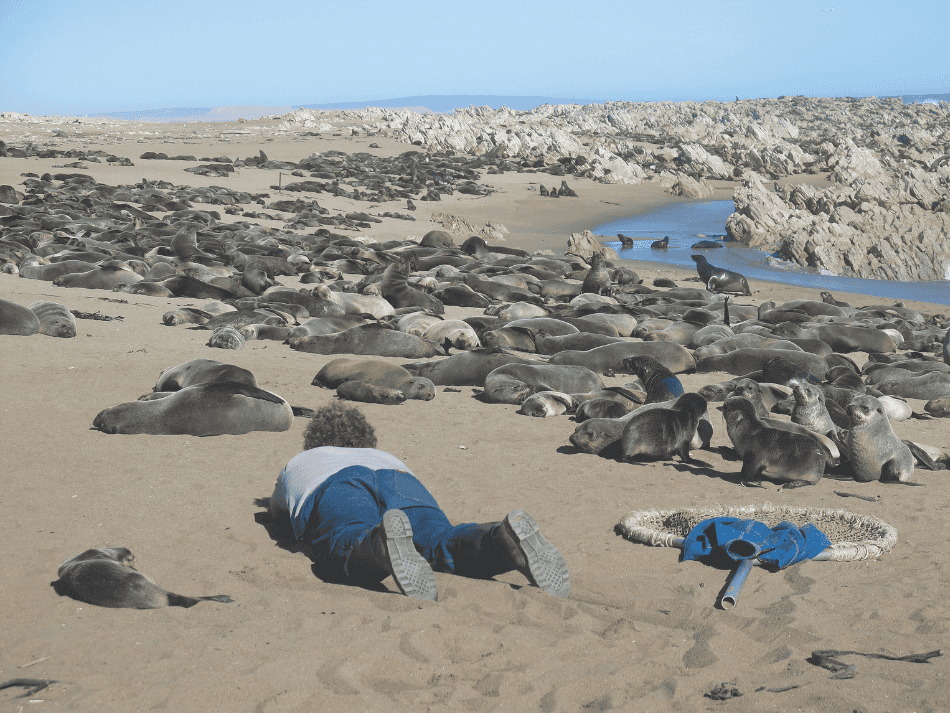
These islands, remote from any human activity, harbor a treasure of biodiversity. The French Southern and Antarctic Lands (TAAF) are a true sanctuary, recognized by UNESCO and classified as France’s largest nature reserve. This exceptional territory concentrates the largest population of seabirds in the world, as well as one of the vastest populations of marine mammals. Among them are the subantarctic fur seals (Arctocephalus tropicalis), also known as Amsterdam fur seals, and the Antarctic fur seals (Arctocephalus gazella), or Kerguelen fur seals.
All these species have been studied for over 60 years under Program 109, a research project by the French Polar Institute Paul-Emile Victor (IPEV), led by the « Marine Predators » team at the Center for Biological Studies in Chizé (CEBC). This program is dedicated to the long-term demographic monitoring of top predators (albatrosses, penguins, sea lions…) in the TAAF. These animals, true sentinels of environmental changes, are carefully observed to identify their reactions to these upheavals over the years. The ultimate goal of the program is to predict the effects of future global changes and propose appropriate conservation measures for these vulnerable species.
Close Monitoring of Mothers and Pups
Each year, volunteers are sent to the three districts of the TAAF (see box) to monitor populations of birds and marine mammals. They return with a significant amount of valuable data, intended particularly for international institutions such as the IUCN. Sea lions are primarily studied on Amsterdam Island.
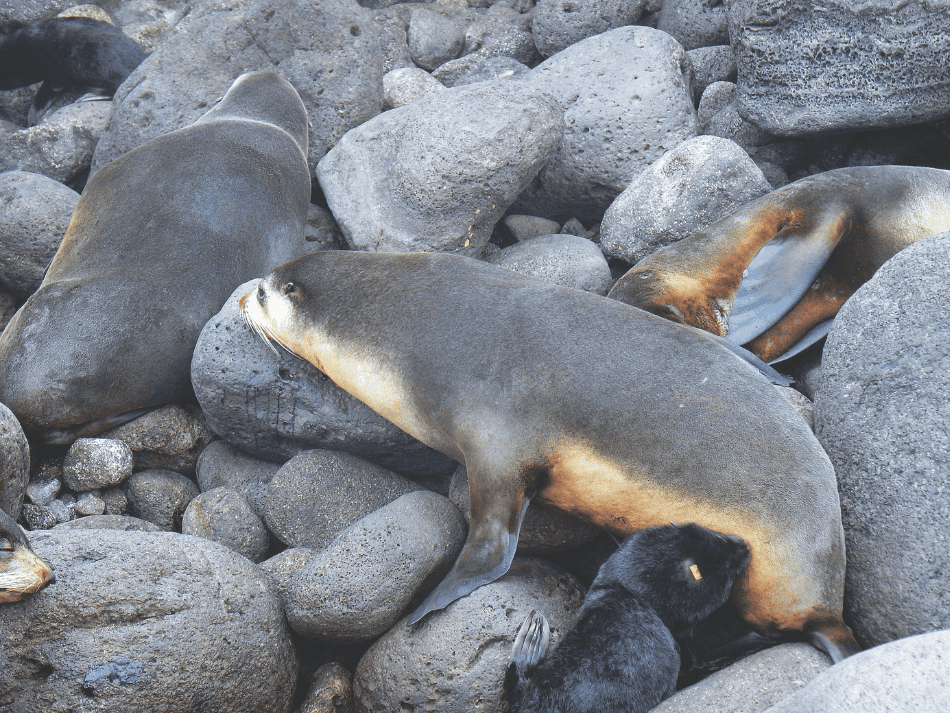
« That’s where most of the work is done, » explains Tiphaine Jeanniard-du-Dot, a researcher at CEBC. « We track individuals, know their age, the number of pups they have, their reproductive rate, the survival of their pups… » To do this, the animals are tagged and/or chipped from a very young age, allowing for monitoring throughout their lives. These data are crucial because mother/pup relationships are closely linked to environmental changes.
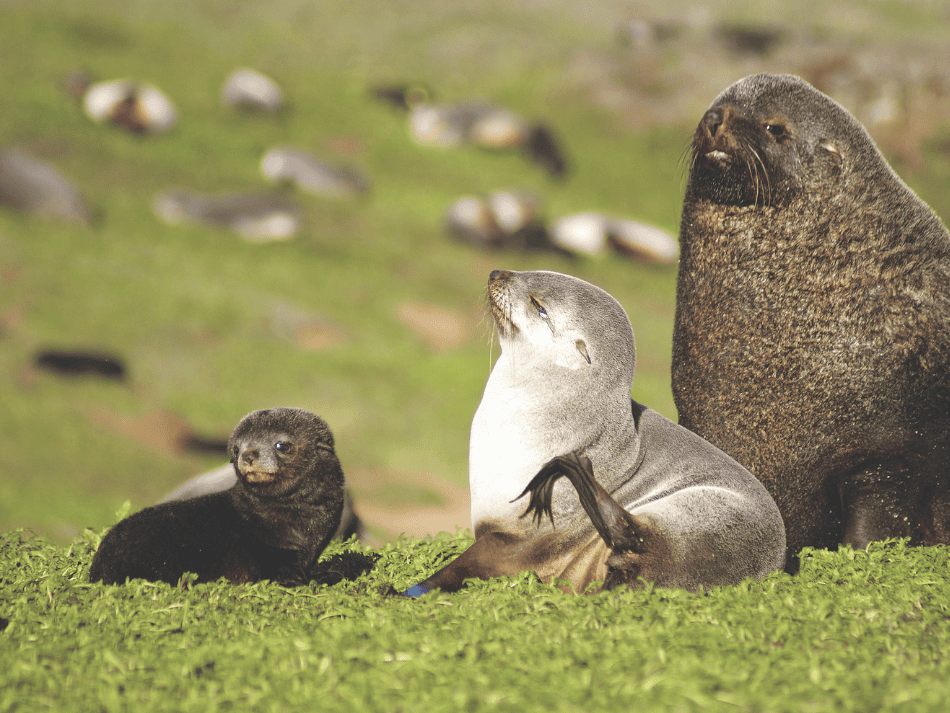
During reproduction, mothers give birth. Unlike seals, which have significant energy reserves, sea lions have very little fat and must return to the sea to replenish themselves in order to feed their pups. “But they are limited, in terms of time spent at sea, by the fasting capacity of the pup,” the researcher specifies. A delicate balance, threatened by climatic hazards.
An Impressive Adaptive Capacity
To specifically study the impacts of environmental changes on prey availability, Tiphaine Jeanniard-du-Dot conducted a study in 2012 on the two northernmost sea lion species, and thus the most vulnerable to climate change: the Alaskan fur seals (Callorhinus ursinus) and the Kerguelen fur seals.
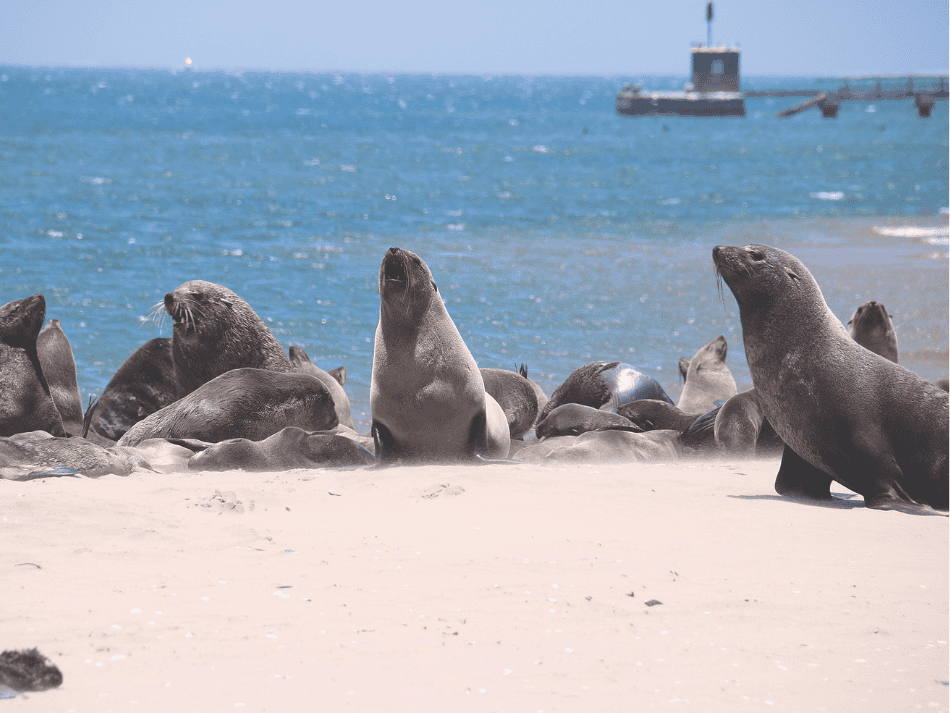
In Alaska, the study revealed two distinct strategies among females. Some chose to move away from the colony to find high-energy fish, leaving their pups longer on land. Others preferred to stay close to the colony, bringing back less nutritious and harder-to-catch fish.
« It’s important to know that in Alaska, 20 years ago, they didn’t have to make this choice, » adds Tiphaine Jeanniard-du-Dot. Some mothers thus left their pups for longer but returned with plenty of milk, while others returned more frequently but with less nutritious milk. « Ultimately, these two strategies have about the same impact on the pups, » she concludes. However, compared to the Kerguelen fur seals, which didn’t have to make such compromises, a difference was observed in the pups’ growth during the lactation period, knowing that size and weight at weaning are directly linked to the pup’s survival ability. Fewer pups mean a declining population in the long term.
Did you enjoy this excerpt?
Read the full article.
READING TIME ≈ 18 min
Dive into the heart of PLONGEZ! Magazine
To enjoy this article and its exclusive content, a modest contribution is required.