


Clumsy on land, seals turn out to be talented swimmers and true diving champions! Seal populations are spread across many global areas, ranging from polar waters to Mediterranean shores. While some species thrive today, others face new threats that lead to protection actions and studies.
Diversity of seal species
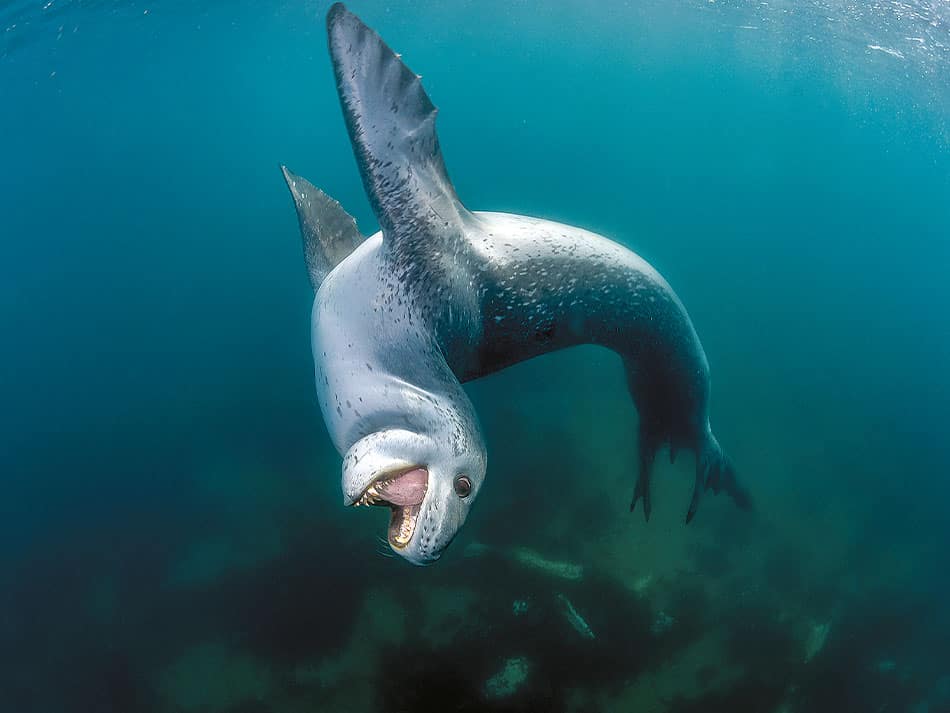
The ringed seal (Pusa hispida), the smallest, is barely 1.20 meters long. Conversely, the elephant seal (Mirounga leonina) has males often exceeding 2 tons. Among the fascinating species are the hooded seal (Cystophora cristata), with its facial protuberance, or the formidable leopard seal (Hydrurga leptonyx) and its mane of sharp teeth.
There are 18 species of seals, classified into 4 subfamilies, which help to understand their distribution:
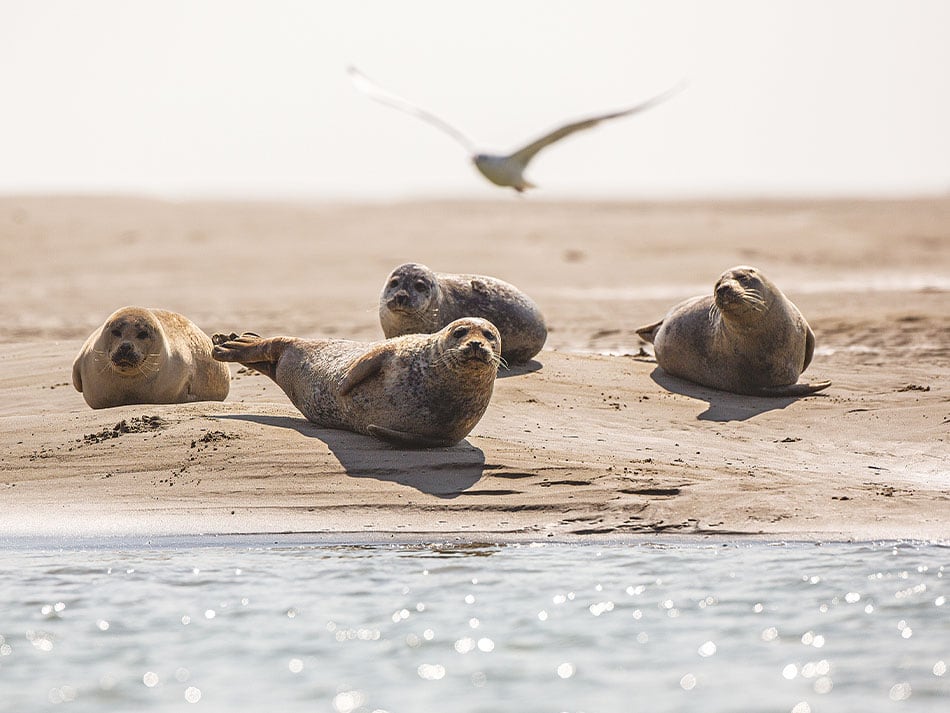
- Phocines : Seals of the northern hemisphere, mainly in Arctic areas. Some species also inhabit the French (English Channel and North Atlantic) and Belgian coasts.
- Lobodontines : Located along the Antarctic coasts, they also prefer cold waters.
- Monachines : Also known as monk seals, they inhabit tropical and subtropical waters. The Caribbean monk seal (Monachus tropicalis) has been extinct since 1950. There are two endangered species left: the Hawaiian monk seal (Monachus schauinslandi) and the Mediterranean monk seal (Monachus monachus).
- Eystophorines : This family is characterized by males with a protuberance, crest, or trunk on their head.
Did you enjoy this excerpt?
Read the full article.
READING TIME ≈ 07 min
Dive into the heart of the PLONGEZ! Magazine
To enjoy this article and its exclusive content, a modest contribution is required.