


The voluntary sinking of ships as artificial reefs is a topic we are passionate about. We discussed this theme in a previous issue of Dive In! (No.38), and since then, developments are encouraging. We reached out to Julien Belda from SAS BELDA Consultant, author of the first legal and economic study on the subject, to remove the last obstacles. Hope is indeed on the horizon!
A complex legal context
The voluntary sinking of ships faces a complex legal framework. The position of the French state is mainly based on a restrictive interpretation of the Barcelona Convention. However, signatory countries like Cyprus, Malta, Croatia, Lebanon, and Israel have already successfully experimented with clean sinking. Julien Belda notes that in some of these countries, Europe even grants subsidies for these initiatives, without the Barcelona Convention Committee raising objections.
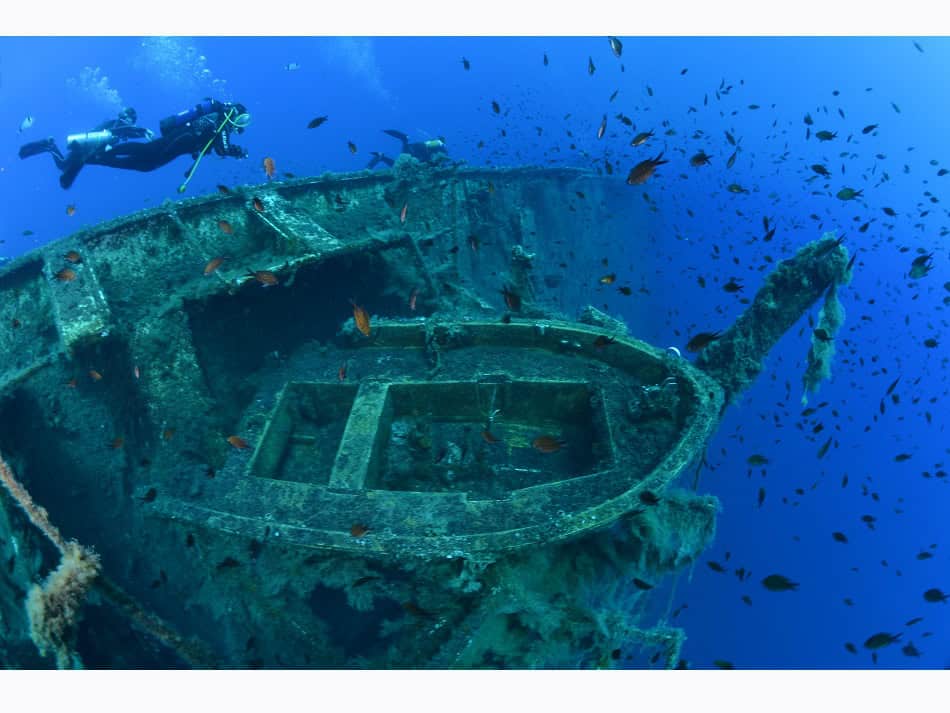
Rethinking ships as artificial reefs
In 2009, a UNEP report indicated that ships are the structures most suited for creating artificial reefs. Instead of viewing them as abandoned wrecks, it would be wise to see them as « artificial reefs. » In France, the sinking of artificial reefs has been legal for decades, provided it is done for purposes other than disposal, as indicated by article 4, 2. of the Barcelona Convention.
Julien Belda points out that it is a « legal trick » that could change legislation on ship sinking.
The convention prohibits the « scuttling of ships for mere disposal, » meaning it is illegal to sink a ship just to cut disposal costs. However, a reef ship that has been carefully depolluted and cleaned contributes to the public interest.
Overcoming political obstacles
So, what is holding this project back? It is no longer a legal issue, as international and French law no longer oppose such operations. What’s blocking it are political choices. For example, the sinking of the Augustin Fresnel in 2003 in Guadeloupe was done based on French law without applying the Barcelona Convention.
Julien Belda states that prejudices must be overcome for the state to favorably consider the opportunity of sinking. Impact studies, environmental assessments, and public inquiries will follow to analyze the ecological and economic impacts while considering safety and other factors.
The benefits of immersion
The benefits of such immersion are manifold, including:
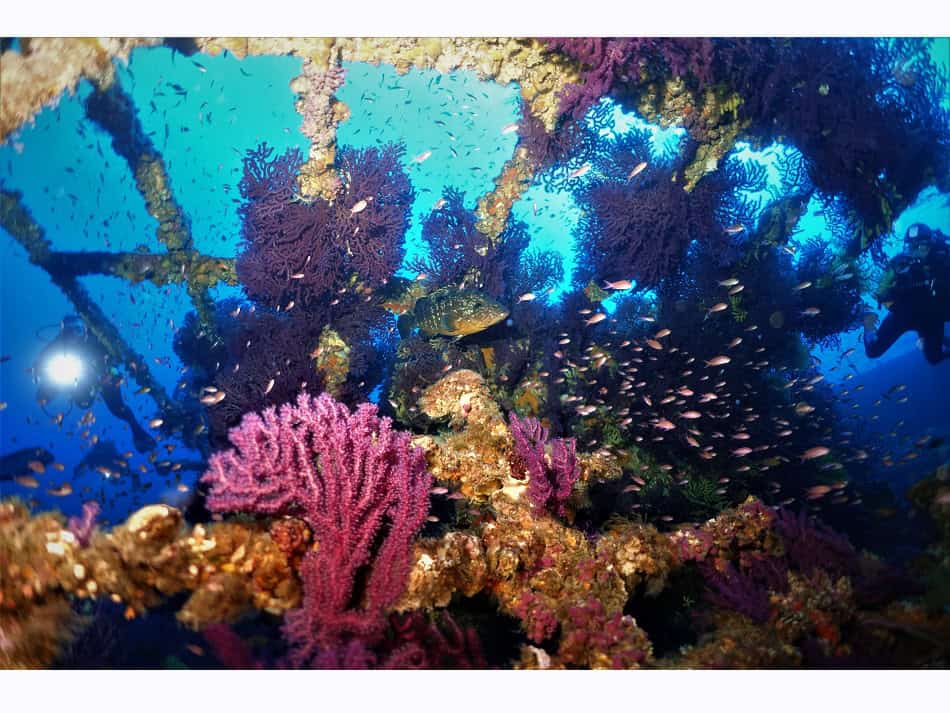
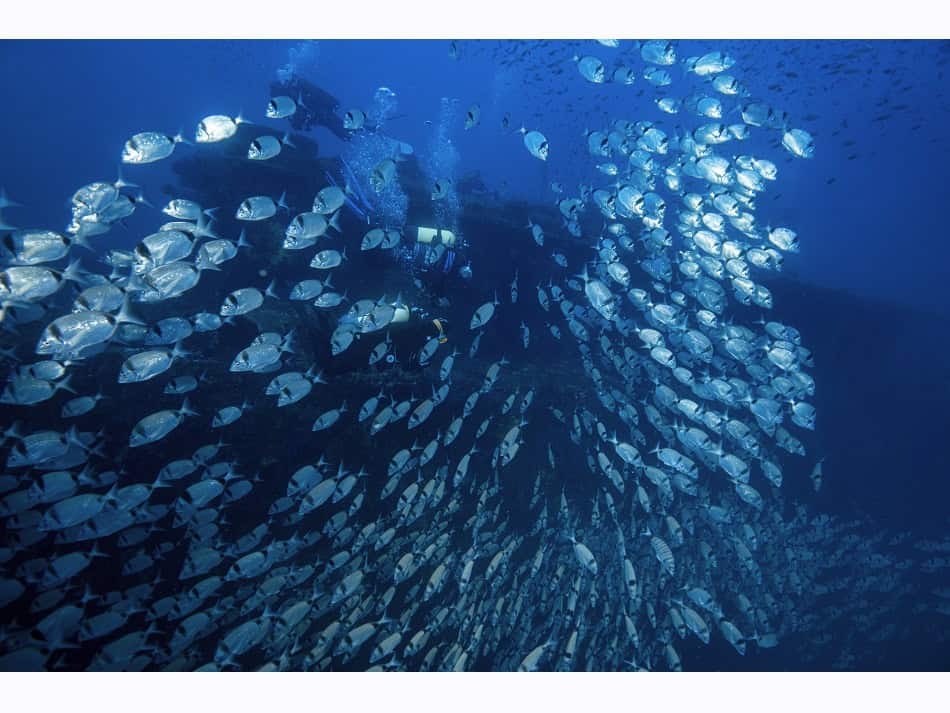
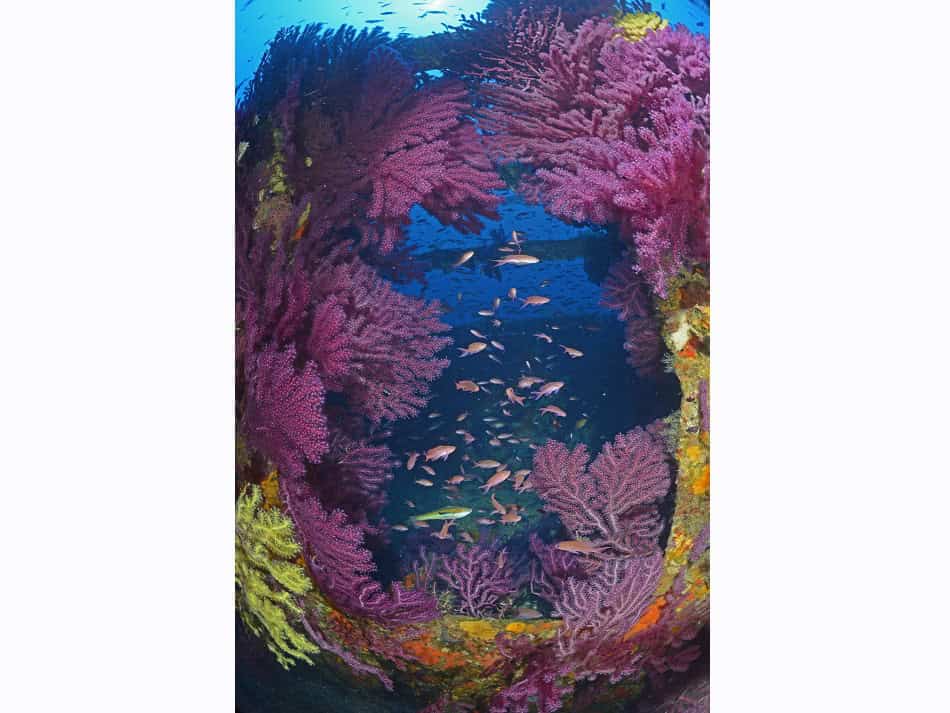
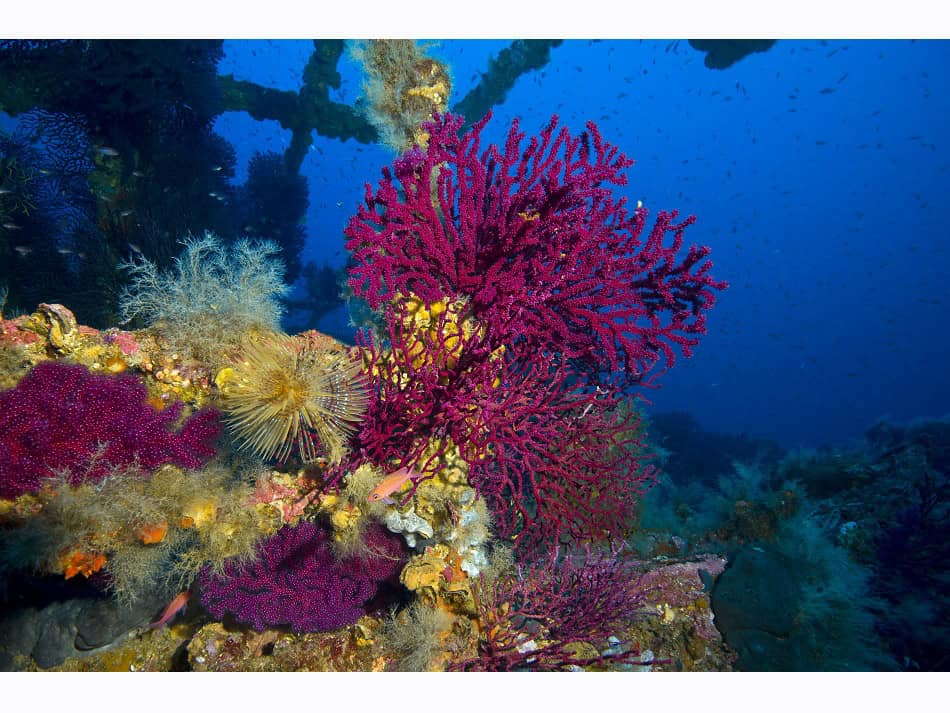
- Environmental : Creation of biodiversity hotspots, with up to 340% additional life. Iron ships also boost planktonic development, essential to the food chain.
- Economic : Examples like the Zenobia in Cyprus, which generates 25 million euros annually for the local economy, illustrate this potential well. By comparison, the aircraft carrier Oriskany in the United States generates over 90 million dollars annually.
- Cultural : Replacing aging wrecks, often sources of life, is essential to preserving our maritime heritage. These reefs can become attractive diving sites.
A national strategy for the future
In La Ciotat, a sinking project is under study, with the collaboration of the municipality and the fishing community. A letter was sent to the DDTM and the General Secretariat for the Sea, and the project leaders are currently awaiting a response. Julien Belda concludes that to move things forward, a national strategy for reasoned sinking of cleaned and secured ships is needed, in a spirit of public interest.
To go further
To delve deeper into the subject, you can consult Julien Belda’s study, available at Belda Consultant : » Legal aspects of ship sinking to promote the blue economy of the coastline, ecological restoration, and the creation of new diving spots in the Mediterranean ».
Expert opinion
Testimonial – Nicolas Barraqué, photographer and publication director of the magazine Dive In!
« A first experiment with a small-sized reef ship in a suitable area could assess the economic and ecological effectiveness of this development. The playful reef of Agde, made of concrete, has a high sinking cost, whereas a reef ship could be more profitable both financially and ecologically. »
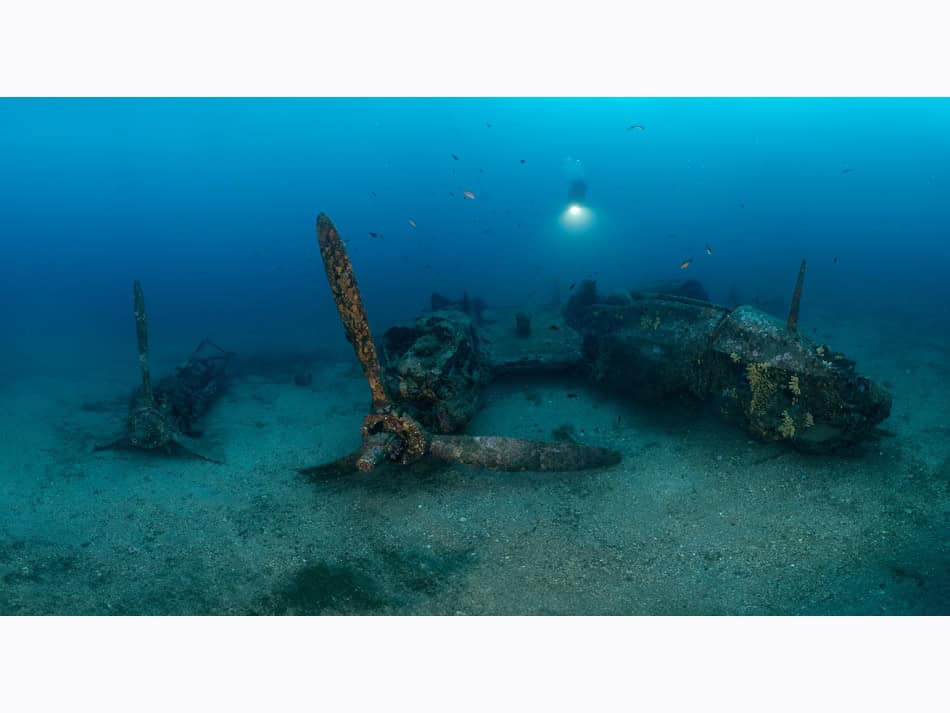
The voluntary sinking of ships as artificial reefs represents a tremendous opportunity for the preservation of our maritime space and sustainable development. Divers and marine community actors should mobilize to encourage this practice that benefits both biodiversity and the local economy.
This article, originally written by Isabelle Croizeau for our print edition, has been adapted for the web.
opening image © Dominique Barray