


Most divers are aware that it is advised not to fly immediately after diving. What many do not know is that it is just as risky to go to high altitudes after an underwater dive. Here’s an insight into this crucial precaution.
Waiting before flying
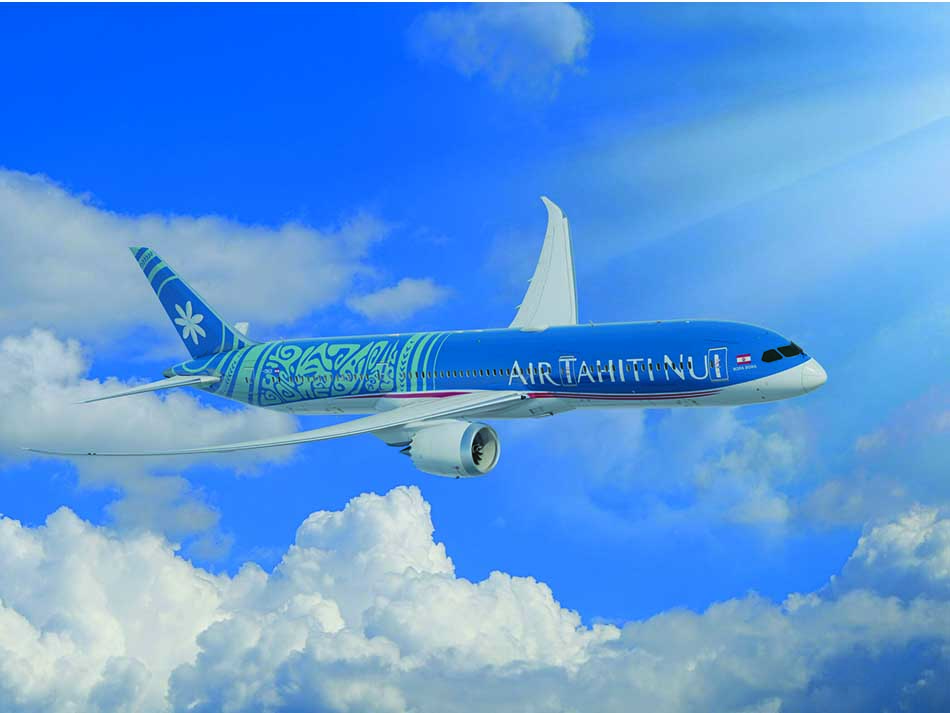
It is generally recommended to wait between 12 and 24 hours after your last dive before boarding a plane. Why this wait? Airplane cabins are pressurized at about 0.8 bar, while at sea level, the pressure is 1 bar. Similar to surfacing from a dive, where the gas in your body expands, this can cause decompression sickness if you do not allow enough time for your body to eliminate the nitrogen.
The wait time will depend on several factors:
- Saturation of your body: The more you have dived, the longer the wait time should be.
- Depth and duration of the dive: These elements influence the amount of nitrogen retained in your body.
If you have done a single dive and followed the safety curve, 12 hours might be sufficient. In the case of multiple dives, 24 hours are recommended. Hence, for short stays, it is advised to schedule land-based activities after several days of diving.
Beware of altitude
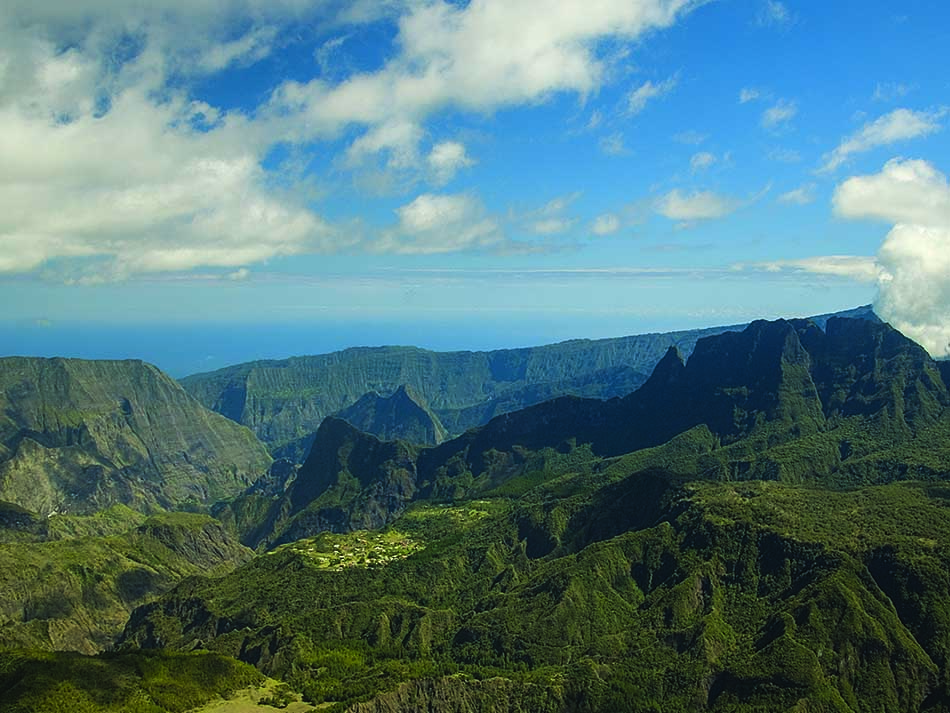
Another aspect often unknown to divers is the risk of desaturation associated with going to high altitudes. Indeed, when atmospheric pressure decreases, nitrogen bubbles in your body may increase in size. Although it is understood to avoid climbing to 2,000 meters, the danger can occur at much lower altitudes.
In regions like Reunion or the hinterlands of Nice, it is better not to go home directly after a dive if you live at a high altitude.
Advice from Dr. Colin Veses, practitioner at the CHU of Nice:
- From 500 meters, the risk of desaturation becomes significant.
- For a dive without decompression stops, wait at least 2 hours before going up to 500 meters.
- With decompression stops or using a heliox mix, wait 12 hours.
- In case of an incident requiring recompression, wait 24 hours.
When it comes to driving, the same caution applies. The speed at which you climb can also influence the risk: the faster you ascend, the greater the danger. Also avoid hiking after a dive, as physical exertion hinders decompression.
Taking the time to recover
After diving, it is important to give your body time to recover. While flying directly after diving is to be avoided, the reverse can also be problematic. Long flights cause fatigue and dehydration, two risk factors that can increase accidents.
The dry air of pressurized cabins dehydrates you, especially if you consume alcohol in flight. Upon arrival, avoid jumping into the water immediately. Moreover, jet lag can worsen your fatigue. It is therefore advisable to wait until the next day, after having fully recovered and hydrated, before diving again.
This article, initially written by Isabelle Croizeau for the print edition of PLONGEZ!, has been adapted for the web.
Photos © Dominique Barray.